
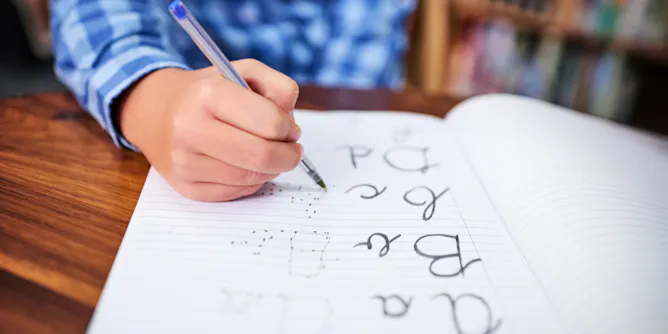
More than 25 states require students to learn to read and write in cursive.
Articles on Fine motor skills
Displaying all articles

Kindergarten programming fulfils critical learning needs of the child.
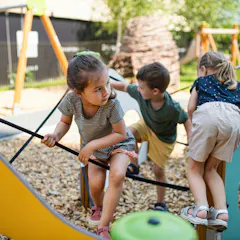
Habitually practising different motor skills can help ensure young children have the key competencies and abilities to move and use their bodies in ways that prepare them to lead healthy lives.
Clumsiness can cause some children to withdraw from physical, sporting and leisure activities.

Children can transform ordinary items into extraordinary play scenes with Barbie and Barbie-like dolls.
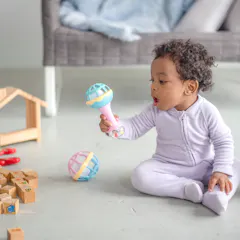
Two experts on children’s play explain why you should be skeptical of toys that are advertised as being educational, and what to look for instead.
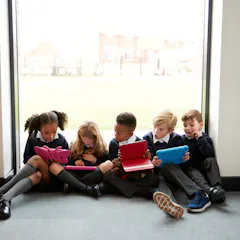
Parents should keep an eye on how screen-based activities influence their child’s development and behaviour.
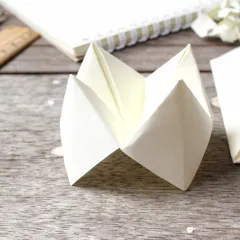
How to make a ‘fortune teller’ or ‘chatterbox’ with children, and why the paper activity targets many developmental domains at once.
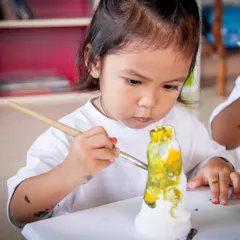
Encouraging a child to hold their paint brush to develop a pincer grip while the child is involved in painting is one example of guided play.

Handwritten letters enhance relationships among people of all ages, and help children become empowered and inspired through the power of the pen.
Unparalleled elegance and versatility in the design of the human hand, and the hand’s connections with the brain, lie behind how humans learn to read and write.

For learners in the early stages of reading, the best way to counteract the loss of literacy skills over the summer is not by forcing study but by boosting play that develops fine motor skills.
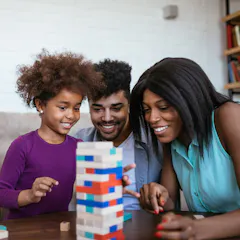
A regular family ritual like a dinner and games night contributes to the rhythm and predictability of life and becomes part of a family’s unique DNA.
Top contributors
-

Professor, Werklund School of Education, University of Calgary
-
Professor of Human Development and Family Studies, Penn State
-
Associate Professor, Early Childhood Curriculum Studies, MacEwan University
-
Assistant Professor of Psychology, Pace University
-
Associate Professor at MRC/Wits Developmental Pathways for Health Research Unit, University of the Witwatersrand
-
Doctorante en éducation, Université du Québec à Montréal (UQAM)
-
Professeure en sciences de l’activité physique et en développement moteur, Université du Québec à Montréal (UQAM)
-
Lecturer in Public Health and Research Methods, Teesside University
-
Professor and Director of the Child Health and Physical Activity Lab, Western University
-
Post-Doctoral Associate, School of Occupational Therapy, Western University
-
Master's Student in Educational Research, Language and Literacy Program, University of Calgary
-
Clinical Professor of Literacy Studies, Drexel University