
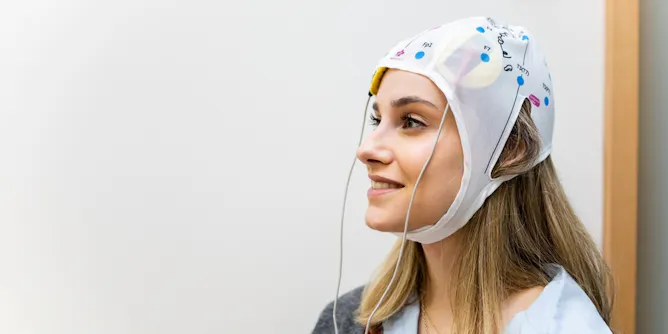
Researchers are exploring whether stimulating the brain with electric currents or magnetic fields helps people learn physical skills more effectively.
Articles on Motor skills
Displaying all articles
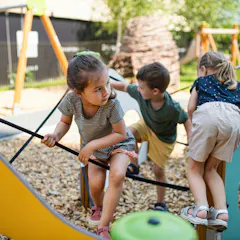
Habitually practising different motor skills can help ensure young children have the key competencies and abilities to move and use their bodies in ways that prepare them to lead healthy lives.

Clumsiness can cause some children to withdraw from physical, sporting and leisure activities.

Some babies bottom-shuffle along. Others commando crawl on their tummy. Some babies move hands first with their bent knees following along like they are playing game of leapfrog.
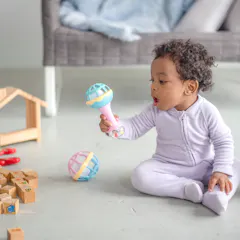
Two experts on children’s play explain why you should be skeptical of toys that are advertised as being educational, and what to look for instead.

Parents should keep an eye on how screen-based activities influence their child’s development and behaviour.

Studies point to students’ movement skills declining during lockdowns, especially among younger children. Levels of physical activity must be restored to avoid lifelong harm to their health.

A researcher who studies physical skills explains how getting your conscious thoughts out of the way lets your body do what it knows how to do, better.

Children should never play with knives – but they can learn how to use them.
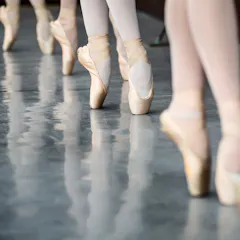
Highly trained dancers provide insights for researchers helping design improved rehab programs for people with mobility impairments. The next step could include rehab robots as dance partners.
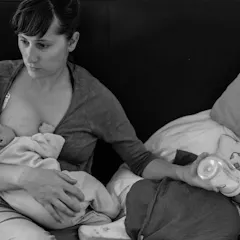
In men and older women, a complicated thinking test appeared to overwhelm the part of the brain also responsible for moving one of their arms. They could only do one or the other.
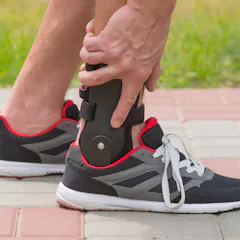
Our brains tell our bodies to move differently when we have pain. And there is emerging evidence to show changing how we move could actually contribute to the development of chronic pain.
Top contributors
-

Researcher, Spinal Cord Injury Centre, University of Zurich
-
Professor of Biomedical Engineering and Rehabilitation Medicine, Emory University
-
Neurosurgical Resident, Cantonal Hospital St. Gallen, University of Zurich
-
Research Fellow in Brain Plasticity and Pain, Neuroscience Research Australia
-
Assistant Professor of Medicine, Emory University
-
Research Fellow in Health Policy, Mitchell Institute for Education and Health Policy, Victoria University
-
Professor in Consumer Psychology and Food Security, Queen's University Belfast
-
Distinguished Professor, Department of Kinesiology and Nutrition Sciences, University of Nevada, Las Vegas
-
Lecturer in Nutritional Sciences, King's College London
-
Associate Professor at MRC/Wits Developmental Pathways for Health Research Unit, University of the Witwatersrand
-
Assistant Professor of Psychology, Pace University
-
Professor of Human Development and Family Studies, Penn State
-
Senior Research Fellow, Early Years Research Lab, Southern Cross University
-
Postdoctoral Research Fellow, Victoria University
-
Lecturer in Health and Physical Education, Federation University Australia