
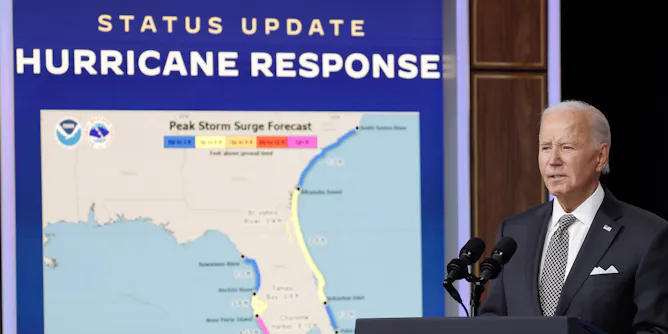
Disaster relief requires cooperative, healthy relationships between the president, federal agencies and state, local and tribal governments. But with politicians in the mix, trouble can happen.
Articles on FEMA
Displaying 21 - 40 of 49 articles

Years of research about the people who work in the federal government finds that most of them are devoted civil servants who are committed to civic duty without regard to partisan politics.
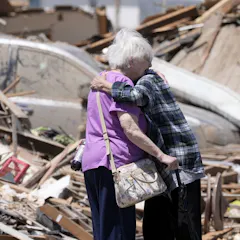
Census data and research show all things are not equal in disaster displacement, as two experts in disaster recovery explain.

If an alert from the federal government popped up on your phone, did you notice it? Did you know who it was from? Did you trust it?
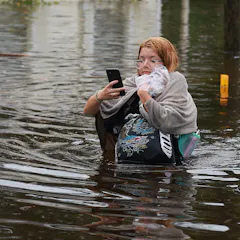
An expert in disaster law explains the steps for securing aid, what to do if everything is lost and the deadlines to watch.

An expert on Puerto Rico’s recovery from Hurricane Maria explains why it’s hard for the US to deliver disaster aid in places like Hawaii and Puerto Rico.
FEMA runs the largest managed retreat program in the country, Two disaster response experts looked at the demographics of who gets those buyouts and where they go.

Creating a federal agency — let’s call it the Emergency Management Agency of Canada or EMAC — would support comprehensive emergency management as Canada faces more and more natural disasters.

Flood risks are rising, yet communities may spend millions of dollars in federal infrastructure funding on systems that aren’t built to handle them.
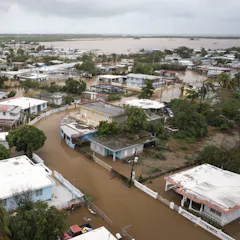
Within two weeks of Hurricane Fiona, FEMA had accepted most Puerto Rican housing aid applications. Nearly all those early approvals cover only $700 in assistance and won’t pay the tab for rebuilding.
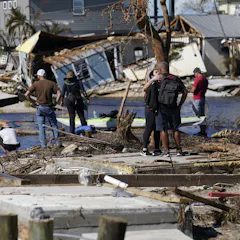
Many government agencies help people whose lives are thrown off course, but not everyone is eligible or able to access that aid.
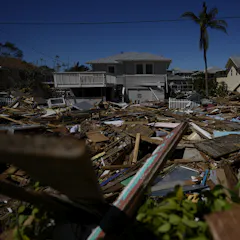
Research on Hurricane Harvey found that flood insurance and strong social networks were key factors in determining how quickly people recovered, regardless of socioeconomic status.

The test facility in Miami helps building designers prevent future storm damage. With the warming climate intensifying hurricanes, engineers are planning a new one with 200 mph winds and storm surge.
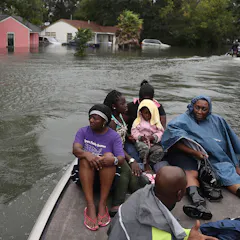
A street-by-street analysis shows where the risks are rising fastest and also lays bare the inequities of who has to endure America’s crippling flood problem.
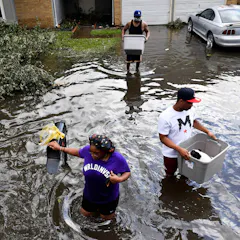
The most vulnerable communities are being pushed deeper into poverty with each climate-related disaster. Part of the problem is that government aid helps the wealthiest people most.
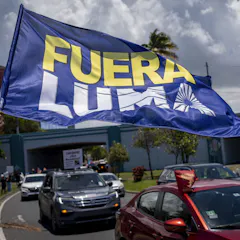
Four years after Hurricane Maria wreaked havoc on Puerto Rico, federal money to rebuild its electricity system is finally about to flow. But it may not deliver what islanders want.
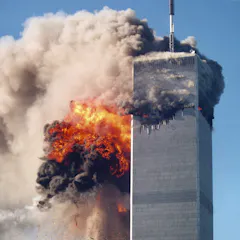
The World Trade Center buildings were built to withstand wind loads more than 30 times the aircrafts’ weight.
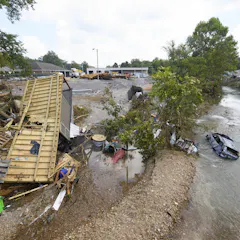
When presidents are seeking reelection, federal aid comes more often and more quickly.
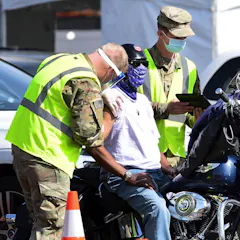
Developing a national disaster response plan for the pandemic was only step one.
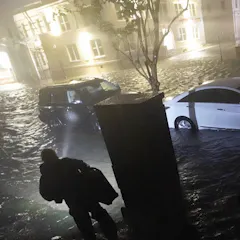
NOAA released its list of climate and weather disasters that cost the nation more than $1 billion each. Like many climate and weather events this past year, it shattered the record.
Top contributors
-

Associate Professor of Landscape Architecture and Urban Planning, Texas A&M University
-
Professor of Sociology, Rice University
-
Professor of Landscape Architecture and Urban Planning, Texas A&M University
-
Assistant Professor, Disaster Research Center, University of Delaware
-
Associate Professor of Disaster and Emergency Management, York University, Canada
-
Professor of Quantitative Methods in the Social Sciences, City University of New York
-
Senior Spatial Research Analyst, Kinder Institute for Urban Research, Rice University
-
Associate Professor of Media Studies, University of Virginia
-
Professor of Policy Analysis, RAND School of Public Policy
-
Senior Lecturer, ARC DECRA Fellow and Victoria Fellow, RMIT University
-
Professor of Civil and Environmental Engineering and Director of the Vanderbilt Center for Environmental Management Studies, Vanderbilt University
-
Professor of Political Science, LaGrange College
-
Professor of Public and Environmental Affairs Emeritus, Indiana University
-
Professor of Sociology and Director, Disaster Research Center, University of Delaware
-
Assistant Professor of Sociology, Fitchburg State University