
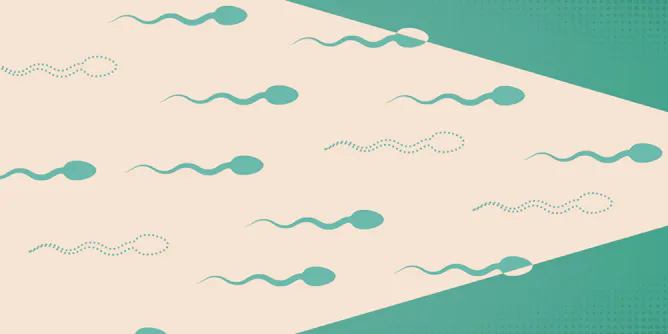
There hasn’t been a new form of male birth control since the 1980s. More contraception options for all partners could help reduce the rate of unintended pregnancies.
Articles on Family planning
Displaying 21 - 40 of 81 articles

Adolescent girls are disproportionately affected by sexual and reproductive health issues. These proposed law substantively addresses these disparities.

Several rap songs speak on the subject of abortion from the perspective of the unborn child.

Medicinal plants and the associated indigenous knowledge could offer alternatives for women who lack access to modern contraceptives.

Conservative Christians have cheered restrictions on some birth control. But many decades ago, Christian leaders’ support helped contraceptives become acceptable in the first place.

Overturning this landmark US Supreme Court ruling would set back reproductive justice for women around the world.

It is likely that countries may use the US abortion ban to further restrict abortion access for fear of losing health funding.
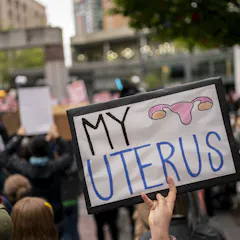
For countries that look to the US for guidance and for funding, the consequences will go beyond abortion.
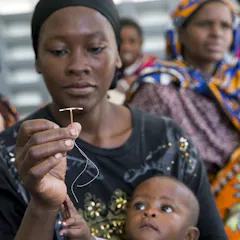
Contrary to expectations, researchers found that overall contraceptive use increased in most settings.
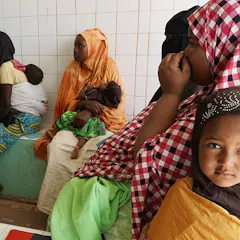
The average Nigerian woman or child faces a host of hindrances in accessing health services.

China limited families to one child from 1980 to 2015 to curb population growth. The policy paid off economically for the country, but it left couples whose only child died grieving and impoverished.

Men can practically help their partners access care by assisting with the costs of attending clinical appointments such as transportation, health insurance, and meals while on route to the clinic.

Humanity is destroying Earth’s ability to support complex life. But coming to grips with the magnitude of the problem is hard, even for experts.

In many sub-Saharan African countries, 20% of mothers have suffered the death of a child, a new study finds. In Mali, Liberia and Malawi, it’s common for mothers to lose two children.
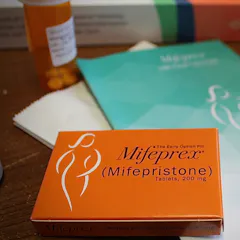
With healthcare facilities burned by the Covid-19 pandemic, some countries have eased access to the “abortion pills” mifepristone and misoprostol (RU-486), a change that could signal a long-term shift.

Having fewer children is one of the most effective ways an individual can mitigate climate change.
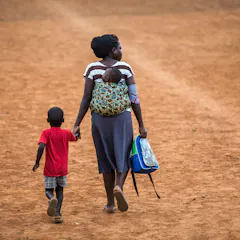
High fertility is driven by a number of factors including desired family size, low levels of use of modern contraceptives, and high levels of adolescent childbearing.
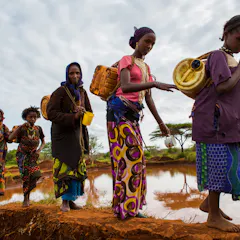
The aim is to reduce maternal deaths, address the unmet need for family planning and end gender-based violence by 2030.

If NSW decriminalises abortion, women will be able to access a termination up to 22 weeks’ gestation. But such cut-offs are arbitrary and should be abandoned.
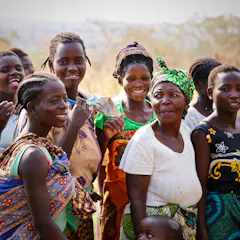
Female-centred health services are good, but they may detract from gender equality and men’s health.
Top contributors
-

Dornsife Endowed Professor of Global Health, Drexel University
-
Adjunct Professor, La Trobe University
-
Professor of Practice, Sydney Medical School, Faculty of Medicine and Health, University of Sydney
-
Research Scientist, African Population and Health Research Center
-
Director of the Complex Adaptive Systems Research Group, University of Newcastle
-
Senior lecturer, York St John University
-
Professor at Prince Henry's Institute, Hudson Institute
-
Senior Research Fellow, Global and Women's Health, School of Public Health and Preventive Medicine, Monash University
-
Associate Professor in American Politics and American Foreign Policy, University of Leicester
-
Associate Professor of Sociology, Duke University
-
Associate Professor, Health Sociologist, Centre for Health Equity, Melbourne School of Population and Global Health, The University of Melbourne
-
Senior Researcher, University of Cape Town
-
Clinical Ethicist, Children's Bioethics Centre, Royal Children's Hospital
-
Lecturer in American Politics, University College Cork
-
Associate Professor, The University of Western Australia