

In some communities, cultural norms can make it hard for women to ask about sex, contraception, periods, pregnancy or birth in mainstream health-care settings.
Articles on Family planning
Displaying 1 - 20 of 81 articles

Limits on healthcare for undocumented women are reshaping pregnancy and family health.

Preventing unintended pregnancies among women living with HIV is a critical strategy for the prevention of mother-to-child HIV transmission.
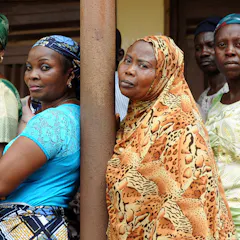
Unequal access to contraception poses risks to reproductive-age women, families and Nigeria’s development.

Only children do not have poorer social skills, and they are not more selfish or narcissistic.

Appropriate interventions are needed to increase the use of long-acting reversible contraceptives in sub-Saharan Africa.
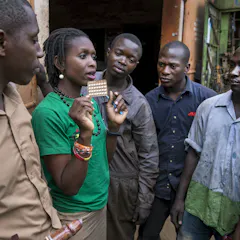
Researchers need to broaden their focus to include diverse aspects of male reproductive health.

Yaz and Yasmin protect against pregnancy and can help manage some hormone-related conditions.

Life is a gamble, anti-natalists say, and it’s unethical to force someone else to take the risk.

Indigenous people have long spoken about coercive practices of officials and experts around birth control, as late as the 1960s. Now historians are finding evidence in the government’s own records.

I’m a scholar, not an activist or an advocate. But now one of the most intimate, personal events of our lives had been turned into a political event by the state’s highest court.

You can donate to environmental charities and even purchase carbon offsets, but not having an additional child typically has a much greater impact.

We found no discernable difference in how people rated family scenarios with one, two or three children.
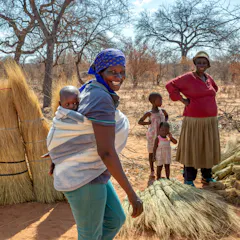
The success of the Maputo Protocol in protecting the rights of women and eliminating discrimination is remarkable.
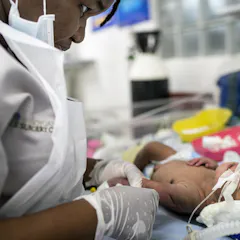
The last decade has seen no measurable change in global preterm birth rates in any region of the world.

Fewer than one in 100 people who use IUDs and contraceptive implants become pregnant each year, making them the most effective contraceptives. But they can be difficult to access. Here’s why.
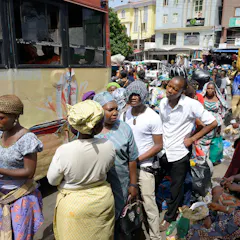
Cities are increasingly unsafe and unhealthy. Family planning can help curb unsustainable urbanisation.

There’s no simple “yes” or “no” answer to whether we should produce more children when Earth is in such dire straits.
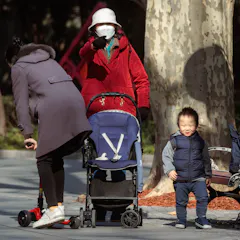
China’s birth rate hit a record low in 2022.

Childbearing goals have remained remarkably consistent over the decades. What has changed is when people start their families and how many kids they end up having.
Top contributors
-

Dornsife Endowed Professor of Global Health, Drexel University
-
Adjunct Professor, La Trobe University
-
Professor of Practice, Sydney Medical School, Faculty of Medicine and Health, University of Sydney
-
Research Scientist, African Population and Health Research Center
-
Director of the Complex Adaptive Systems Research Group, University of Newcastle
-
Senior lecturer, York St John University
-
Professor at Prince Henry's Institute, Hudson Institute
-
Senior Research Fellow, Global and Women's Health, School of Public Health and Preventive Medicine, Monash University
-
Associate Professor in American Politics and American Foreign Policy, University of Leicester
-
Associate Professor of Sociology, Duke University
-
Associate Professor, Health Sociologist, Centre for Health Equity, Melbourne School of Population and Global Health, The University of Melbourne
-
Senior Researcher, University of Cape Town
-
Clinical Ethicist, Children's Bioethics Centre, Royal Children's Hospital
-
Lecturer in American Politics, University College Cork
-
Associate Professor, The University of Western Australia