

Evacuations in the face of a wildfire, hurricane or other disaster are stressful and can take more time than you might expect. Here’s why practice helps and what to think about.
Articles on Extreme weather
Displaying 21 - 40 of 307 articles

On extremely hot days and in the aftermath of storms, people tend to hole up inside. Losing festivals, traditions and gathering places can worsen that loneliness.
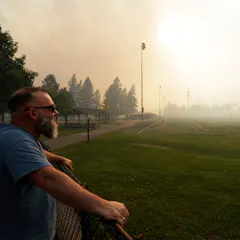
Extreme fire conditions converged in suburban neighborhoods built into the forests, shrubland and grasslands and quickly spread.
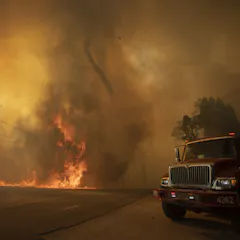
Wildfire smoke can even affect the weather downwind.
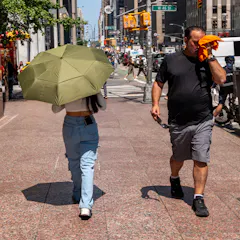
A National Academy of Sciences report examined the latest advances in extreme event attribution science. As four of the authors explain, the type of disaster makes a difference.
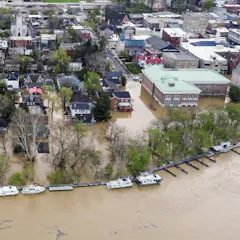
What communities and businesses really need is information they can act on, with examples of what’s worked elsewhere and why – and what fails.
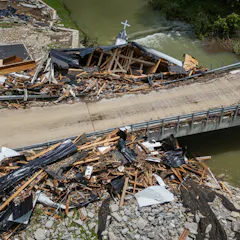
Increasing flash flooding is exhausting communities as they’re hit again and again.
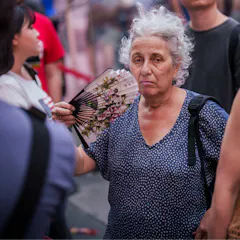
A public health researcher explains the signs to watch for that someone is developing heat exhaustion or heat stroke, and what to do.
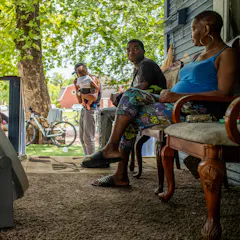
Heat waves can be dangerous, and the conditions indoors can be worse than outdoors. A study of all the single-family homes in Austin, Texas, shows why.
At the heart of combating misinformation is critical thinking and recognizing when you’re being spun for corporate profit.
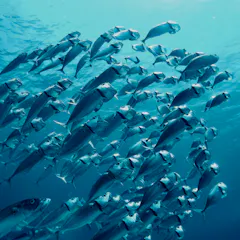
El Niño can trigger intense periods of extreme ocean warming known as marine heat waves that can devastate marine life.
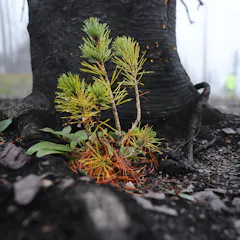
The dead remains of foundation species can boost or deter how well future generations are able to grow and thrive.
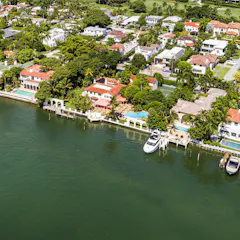
Subsidized insurance makes waterfront property seem safer than it is for wealthier buyers, while many low-income homeowners face repeat disasters with no help.
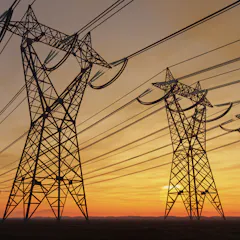
Western states are figuring out how to make electricity-sharing work, but it isn’t easy. Texas learned that the hard way.

Even though annual precipitation is rising nationally, the landscape is drying out more rapidly. That’s changing the water cycle.

A hurricane scientist explains the technology forecasters rely on to keep people safe and help communities all along the Atlantic coast know when to evacuate.
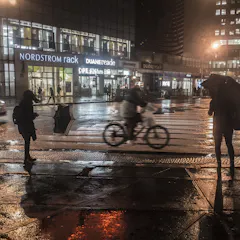
Twin cyclones helped trigger massive ocean warming in the Pacific. But whether that leads to a strong El Niño is still uncertain. Here’s what you need to know.

Healthy coral reefs can significantly reduce hurricane damage for coastlines, yet many still face harms, including pollution and ship damage, that people have the power to stop.
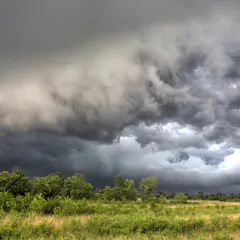
Don’t blame the weatherman. A meteorologist explains where your local weather forecasts really come from, and what storm scientists are doing to bring them closer to home.
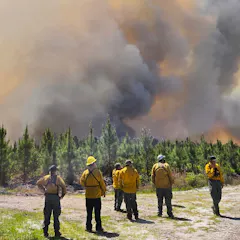
The southeastern US has been in drought for months. With the wind and unusually low humidity, it’s facing perfect conditions for wildfires spreading.
Top contributors
-

ARC Future Fellow and Associate Professor in Climate Science, ARC Centre of Excellence for 21st Century Weather, The University of Melbourne
-
Adjunct Professor of Environmental Geography, CQUniversity Australia
-
Professor of Climate Science, UMass Lowell
-
Principal Research Scientist in Extreme Weather, The University of Melbourne
-
Professor of Economics and Environmental Studies, Wesleyan University
-
Associate Professor of Landscape Architecture and Urban Planning, Texas A&M University
-
Regius Professor of Meteorology and Climate Science, University of Reading
-
Professor of Geology and Environmental Geosciences, University of Dayton
-
Professor emeritus, The University of Melbourne
-
Honorary Associate Professor of Climate Science, The University of Melbourne
-
Director, ANU Institute for Climate, Energy & Disaster Solutions, Australian National University
-
Meteorologist and Research Program Manager, University of Wisconsin-Madison
-
Senior Lecturer in Climate Science, Imperial College London
-
Professor of Natural Resources and Environmental Science, University of Vermont
-
Professor of Climate Change Impacts, Newcastle University