
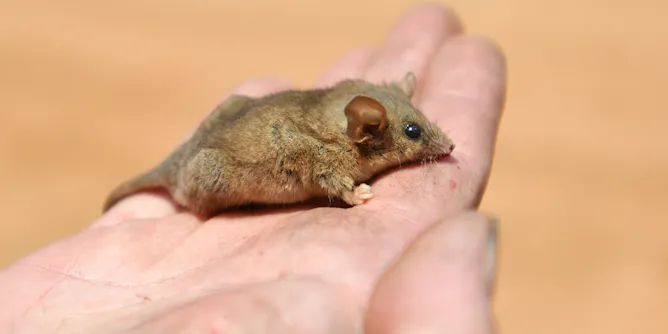
The new paper also found some mammals are suffering due to a lack of fire.
Articles on Extinction crisis
Displaying 21 - 40 of 50 articles
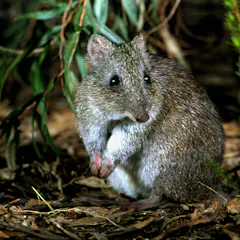
The hardest to save will be five reptiles, four birds, four frogs, two mammals and one fish, for which there are no recent confirmed records of their continued existence.
Labor and the Greens launched environmental policies last week. We take a close look at what was promised, and if they’re enough to tackle Australia’s extinction crisis.
New Zealand’s native wildlife and habitats are at extreme risk, but there is a dangerous disconnect between strategic aspiration and planned action.
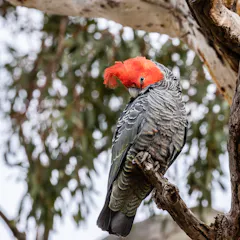
The fate of nature underpins our economy and health. Yet in the election campaign to date, there’s been a deafening silence about it.
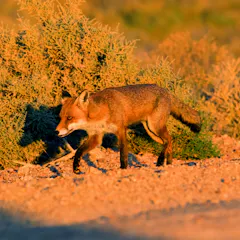
In some regions, foxes kill at least 1,000 animals per square kilometre every year.
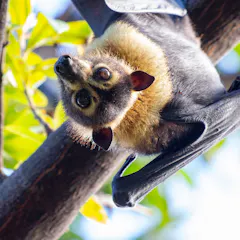
Nine mammals in Northern Australia are at risk of extinction in the next two decades – and we know little about this home-grown crisis.

By spending $2 billion each year for about 30 years, we could restore much of Australia’s severely denuded landscapes.

Many valuable scientific breakthroughs were originally published in a non-English language. New research shows more effort is needed to transcend language barriers to improve conservation science.
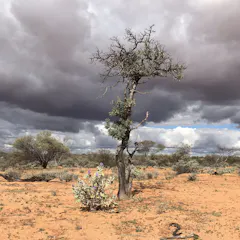
Wild sandalwood populations in Australia have been slowly collapsing for decades. New research found the Western Australian government has been warned repeatedly for a century.
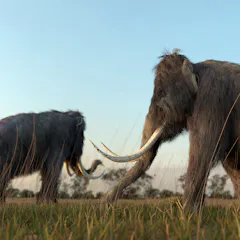
While the prospect of reviving extinct species has long been discussed, advances in genome editing have now brought such dreams close to reality.
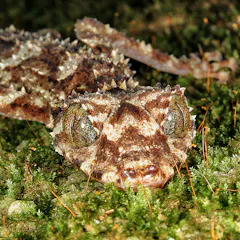
With targeted conservation action, we might just save many of these species before it’s too late.

Twenty of these freshwater fish species have a 50% or greater probability of extinction within the next 20 years.

Species counts drive conservation science and policy, yet a major component of biodiversity is excluded from the data: non-native species.
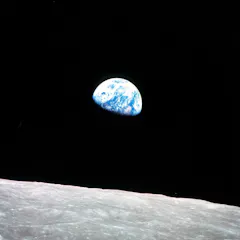
Historical perspective can offer much in this time of ecological crisis,. Many historians are reinventing their traditional scales of space and time to tell different kinds of stories that recognise the unruly power of nature.
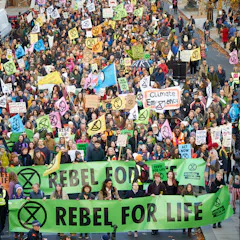
The conventional channels for scientists to inform and influence policy are not addressing the climate and ecological crises quickly enough.
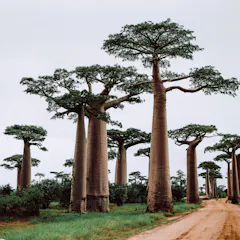
Human-driven land clearing and climate change are sending plants extinct at a rapid rate, risking a devastating biodiversity crash.
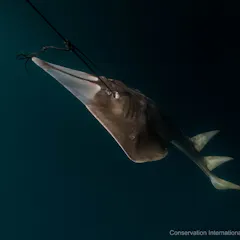
An update of the IUCN Red List attempts to map the real extent of global biodiversity loss.
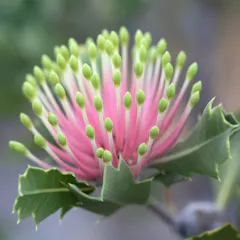
A recent global survey found almost 600 plants have gone extinct. And this figure is likely to be an underestimate.

The island of New Guinea is home to 6% of the world’s frogs, but if the deadly chytrid fungus invades it could cause a mass extinction.
Top contributors
-

Professor, Urban Ecology and Biodiversity, The University of Melbourne; RMIT University
-
University Fellow in Biodiversity, Charles Darwin University
-
Professor in Conservation Science, School of Ecosystem and Forest Science, The University of Melbourne
-
Professor of Conservation Biology, Charles Darwin University
-
Professor in Wildlife Ecology and Conservation, School of Life & Environmental Sciences, Deakin University
-
Ecologist, Charles Darwin University
-
Professor in Natural Resource Economics, Adelaide University
-
Adjunct associate in freshwater fisheries ecology and management, University of Canberra
-
Professor of Conservation Biology, UNSW
-
Research Director CSIRO Health & Biosecurity, CSIRO
-
Senior Lecturer, School of Geography, Earth and Atmospheric Sciences, The University of Melbourne
-
Professor of Conservation and Sustainable Livelihoods, Charles Darwin University
-
Adjunct Professor in Environmental Sciences, Deakin University
-
Adjunct Asssociate Professor, James Cook University
-
Professor of Wildlife Conservation, Australian National University