
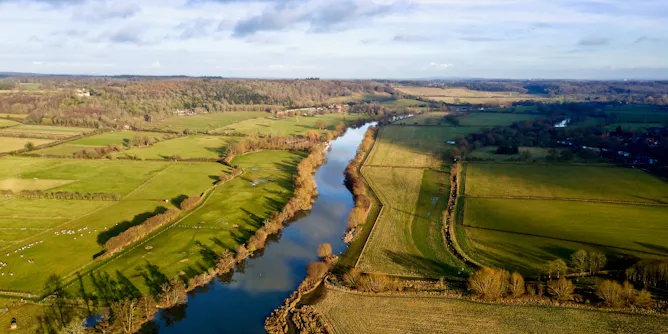
In praise of messy rivers.
Articles on Erosion
Displaying 21 - 40 of 68 articles
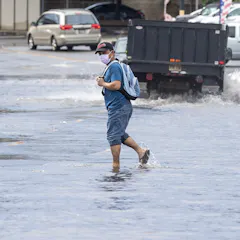
Honolulu, Baltimore, Charleston, S.C. and several other cities harmed by rising seas and extreme weather are suing the oil industry. At stake is who pays for the staggering costs of climate change.
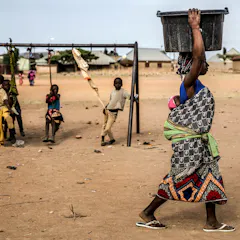
Gender, climate change and water scarcity together create a difficult challenge.
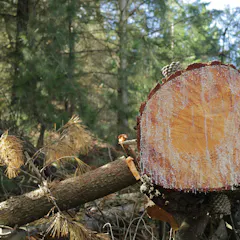
Radiata pine was originally a solution to land erosion – but this Number-8 wire fix is past its due date and the forestry industry will likely wear the cost of change.

UNESCO report highlights what needs to be done to save the global icon. But you might be surprised by its top recommendation.
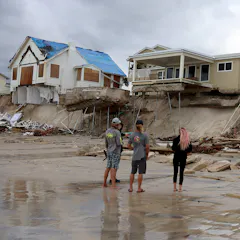
Dozens of homes near Daytona Beach collapsed or were left unstable when Hurricane Nicole struck. Here’s what can be done to reduce that kind of risk.
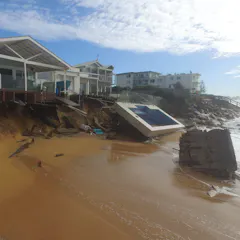
We must heed lessons from past storms and plan ahead, as climate change will only exacerbate future coastal disasters.
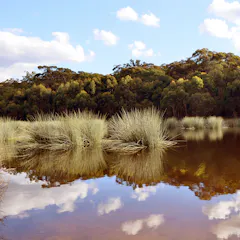
80% of carbon on land in stored in soil. Our new research investigated how erosion transports this carbon to the bottom of lakes, where it’ll never be released into the atmosphere.
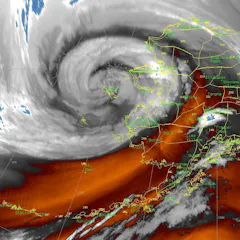
Most of the flooded communities are Indigenous and rely on subsistence hunting that residents would normally be doing right now. Recovering from the damage will make that harder.
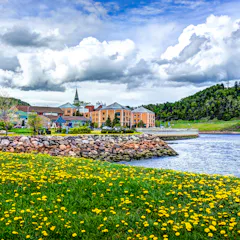
The sustainable and inclusive development of the St. Lawrence River is essential. A prolonged laissez-faire attitude will have harmful consequences on people and the environment.
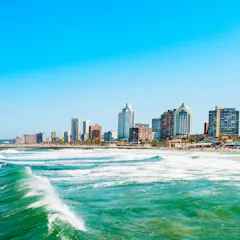
Climate change is changing wave patterns and strength. Bigger waves combined with sea level rise will hit coasts hard – but only in some countries.

Millions of people around the world live on river deltas and are vulnerable when those rivers shift direction. A new study shows why and where these events, called avulsions, happen.
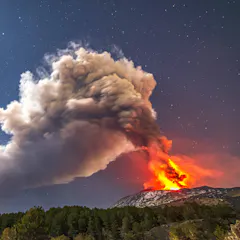
New modelling shows how tectonic plate movements, carbon-rich deep-sea sediment, and mountain weathering have regulated Earth’s climate.
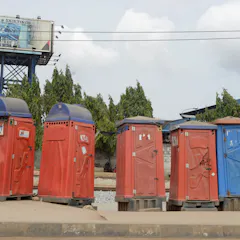
Some Niger Delta residents are less concerned about oil-induced hazards and risks, or floods and erosion. They are more worried about a lack of sanitation amenities.
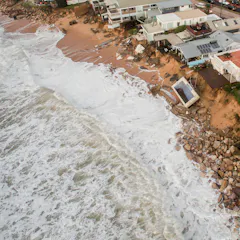
As sea levels rise, this natural form of beach replenishment might be an important factor in offsetting some of the damaging effects of climate change on beaches.
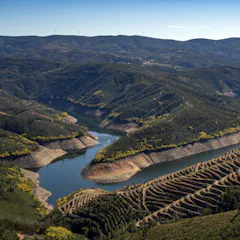
If the world overshoots its climate targets, drought could cause dryland areas to expand by a quarter and encompass half the Earth’s land area, threatening lives and livelihoods.
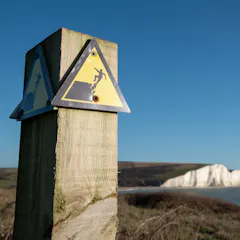
Around 17% of the mainland coastline is affected.
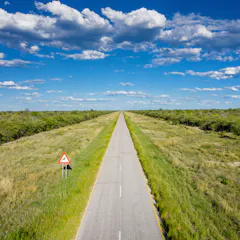
The presence of roads, even inside protected areas, may pose a significant threat to species.
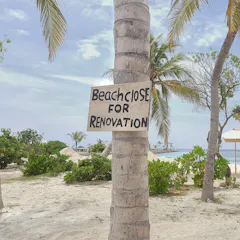
The Maldives is facing coastal erosion, overdevelopment and a tide of plastic pollution.
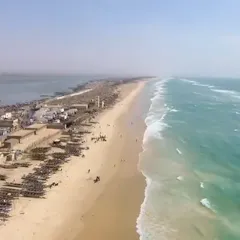
Around the world, fragile coastal ecosystems are under intense pressure, and understanding and managing their complex interactions requires an integrated and interdisciplinary approach.
Top contributors
-

Professor of Biogeochemistry, University of Wollongong
-
Professor of Earth and Space Sciences, University of Washington
-
Research Fellow, Adelaide University
-
PhD candidate Department of Environmental & Geographical Science, University of Cape Town
-
Ass. Professor, University of Maryland Eastern Shore; North-West University
-
Guest Research Scholar, International Institute for Applied Systems Analysis (IIASA)
-
Research Scientist, Australian Bureau of Meteorology
-
Visiting professor, University of Saskatchewan
-
Professor in Earth Sciences, Nanyang Technological University, Singapore, and Emeritus Professor of Mineral Physics, University of Cambridge
-
Professor of Geology, Adelaide University
-
Senior fellow, King's College London
-
Professor, TC Beirne School of Law, The University of Queensland
-
Senior Lecturer in Ocean and Earth Science, University of Southampton
-
Associate Professor of Engineering, Auburn University
-
Professor of Intersectional Justice, UCL