
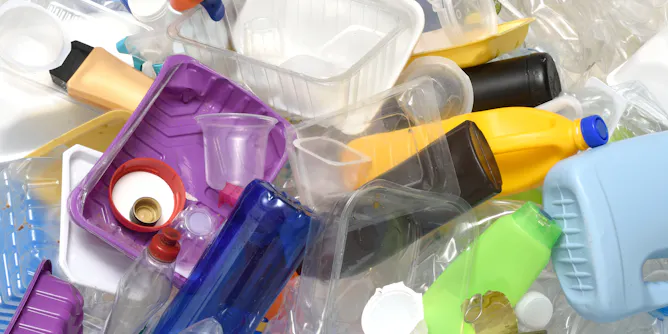
Enzyme proteins can be bred and trained to digest plastics rather than their natural substrates.
Articles on Enzymes
Displaying 1 - 20 of 30 articles

Not all spider venoms are created equal. Some are harmless to people, while others can be quite dangerous.
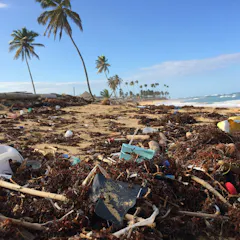
Scientists are discovering more microbes with the natural ability to break down plastic.
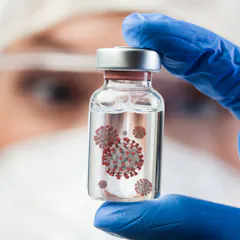
The question of whether viruses are alive or dead is a controversial one in science.

Master switches of cell communication, G protein-coupled receptor kinases are the target of many drugs across a range of diseases.
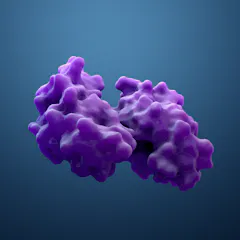
Enzymes significantly speed up the chemical reactions that keep you alive. Researchers are using AI to create new ones to tackle modern challenges.

Organic soils, one of the pillars of Québec’s food self-sufficiency, could disappear within 50 years. Fortunately, the application of straw or wood chips could regenerate these soils.
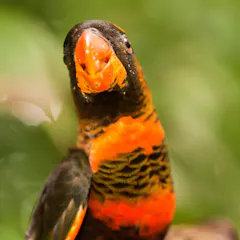
New research reveals how parrots and finches develop their extraordinary colours – and shows that evolution is an ongoing process.
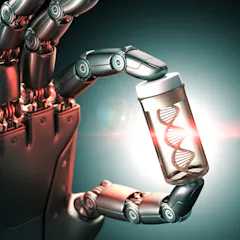
AI has learned the ins and outs of proteins. Gene editing gives scientists control of life’s molecular machinery. Together they could lead to a revolution in biotechnology.
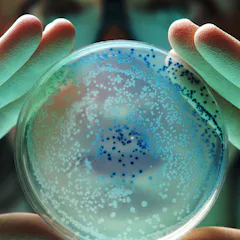
Bacterial DNA extracted from soil includes many genes whose function remains unknown. The novel enzymes these genes code for could be useful in efforts to clean up persistent pollutants.
Multidrug-resistant fungal infections are an emerging global health threat. Figuring out how fungi evade treatments offers new avenues to counter resistance.

There are several reasons that TB patients don’t or can’t adhere to their treatment.

Khorana rose from humble beginnings in India to decipher the genetic code. But his enormous contribution to science has been largely overlooked.

A consequence of a warming world is prolonged dry spells and periods of drought that can lead to infectious diseases like cholera.
Dave MacMillon and Ben List both developed simple catalysts that make precise chemical reactions much faster and more efficient.

The same dose of a drug can have varying degrees of effectiveness and safety depending on how well the liver can metabolize it.
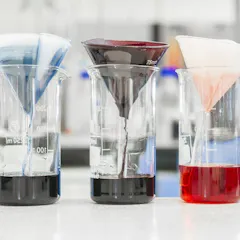
Science is helping turn textiles into a cleaner greener industry.
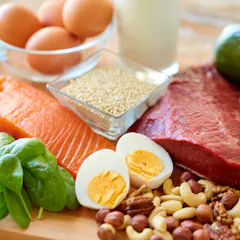
An enzyme called TOR could hold the secret to a longer, healthier life.
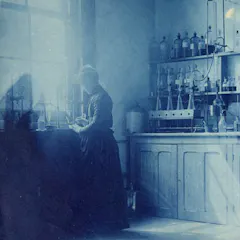
Canadian physician and scientist Maud Menten’s discovery about enzymes was foundational in the work of this year’s Nobel Prize in chemistry recipient.
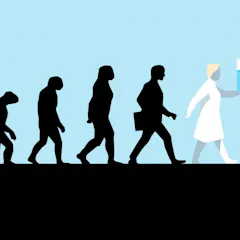
Nature doesn’t always make the things we need so three Nobel Prize winners figured out how to fast-track evolution in the lab to create medicines, biofuels and industrial chemicals for modern life.
Top contributors
-

Doctoral Student in Biochemistry, University of Washington
-
Professor of Mathematics, University of California, Davis
-
Professor of Philosophy and Integrative Biology, The University of Texas at Austin
-
Senior lecturer, University of the Western Cape
-
Professor of Chemistry, Connecticut College
-
Professor of Biological Sciences, University of Maryland, Baltimore County
-
Lecturer in Textiles, Loughborough University
-
Professor of Biotechnology, Te Herenga Waka — Victoria University of Wellington
-
Associate Professor of Chemistry, The Ohio State University
-
Professor of Cell Signalling, University of Leicester
-
Distinguished Professor of Pharmacy Practice, University of Connecticut
-
Postdoctoral Scholar, Bioinformatics and Computational Biology, American Museum of Natural History
-
Professor of Avian Behavioural Ecology, Macquarie University
-
Professeure, Faculté des sciences de l'agriculture et l'alimentation, Département des sols et de génie agroalimentaire, Université Laval
-
Professeur titulaire en physique des sols agricoles, Université Laval