
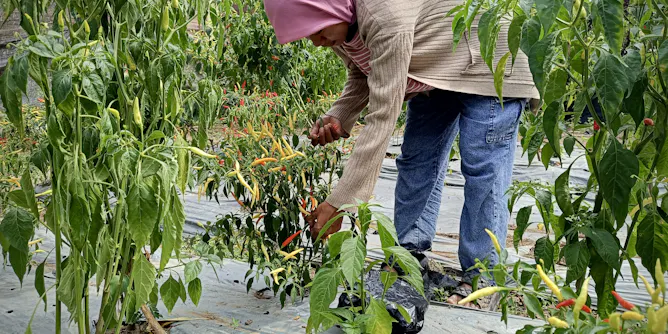
Indigenous Dayak women are starting to cultivate chili peppers and lead a just energy transition through backyard farming
Articles on Environmental degradation
Displaying 1 - 20 of 30 articles

Should the world’s less developed nations be part of the “degrowth” movement? The debate involves considerations of economic dependency, neocolonialism and ecological debt.
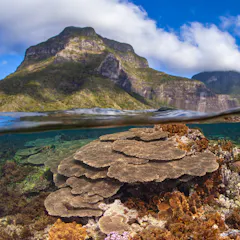
We all know the Barrier Reef – but Australia also has three other World Heritage reefs, Ningaloo and Shark Bay in Western Australia and Lord Howe Island off the New South Wales coast.
Overall, coastal habitat restoration greatly increases animal numbers and diversity. But not all projects deliver the goods and we need to find out why.
Legally binding deals struck with landholders can help protect and restore the environment over the long term.
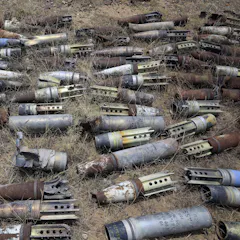
Wars are multiplying – and the damage these conflicts do isn’t just immediate. They leave long-term environmental damage
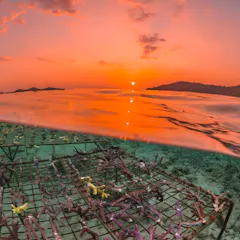
The world’s ecosystems need to be restored – and fast. Large corporations are well-placed to do so.
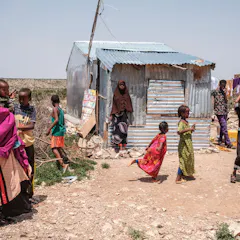
Exploring the potential intersections between climate change and violence against children is crucial.
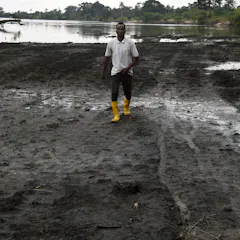
Energy firms are likely to lie about their corporate social responsibility to the environment. Their deception can be turned around for good if they are held accountable.
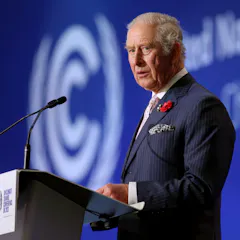
Despite not being at COP27, there are other ways for King Charles to showcase his commitment to the environment.
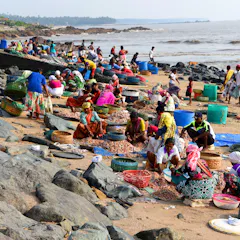
Facing human threats, Mumbai’s Koli community are taking risk reduction into their own hands – other vulnerable coastal settlements should take note.
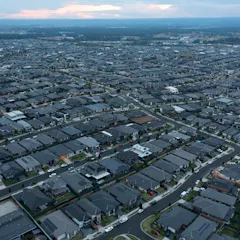
A fast-growing population – 50% bigger than it was in 1990 – is causing, directly or indirectly, all of Australia’s serious environmental problems. These impacts must be central to decision-making.
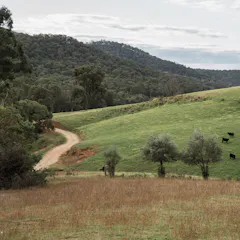
Biodiversity market schemes can help – but they are not a silver bullet, and can be gamed if poorly designed.
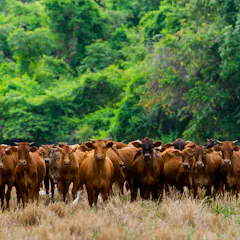
Infectious diseases originating in wild animals are high and may be increasing. This is a sign that ecosystem degradation is undermining the planet’s capacity to sustain human wellbeing.
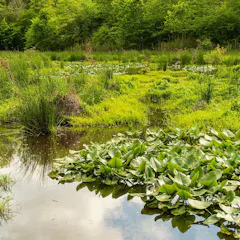
Accra has become susceptible to floods due to encroachment on wetlands.
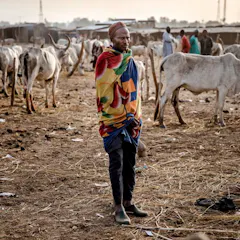
Under certain conditions, climate can amplify security risks, with implications for lasting peace.
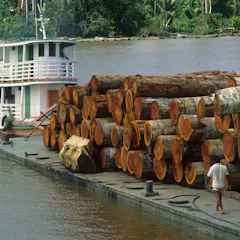
New study compared sites with similar distances from cities and population densities.

The hidden costs of industrial food production include immense health and environmental impacts. These include millions of deaths, climate change, pollution and biodiversity loss.
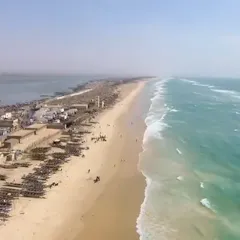
Around the world, fragile coastal ecosystems are under intense pressure, and understanding and managing their complex interactions requires an integrated and interdisciplinary approach.
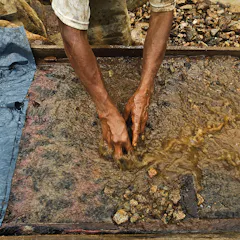
The devolution of small-scale mining decisions to municipal and district assemblies working in collaboration with traditional authorities is key to saving the industry in Ghana.
Top contributors
-

Visiting professor
-
Lecturer in Conservation, The University of Queensland
-
Lecturer, School of Public Health, The University of Queensland
-
Senior Lecturer Biostatistics, The University of Queensland
-
Professor in Conservation Science, School of the Environment, The University of Queensland
-
Professor of Political Sociology and Critical Theory, University of Bath
-
Professor of Environmental Management, The University of Queensland
-
Senior Research Assistant in the Centre for Biodiversity and Conservation Science, The University of Queensland
-
Senior Lecturer in Disaster Risk Management and Health, Queensland University of Technology
-
Research Fellow, University of Nottingham
-
ARC Future Fellow in Fisheries Science, University of Tasmania
-
Professor, Water and Landscape Dynamics, Fenner School of Environment & Society, Australian National University
-
Climate scientist, CGIAR
-
Professor of International Law, Queensland University of Technology
-
Research Scientist, Bioenergy, Center for International Forestry Research – World Agroforestry (CIFOR-ICRAF)