
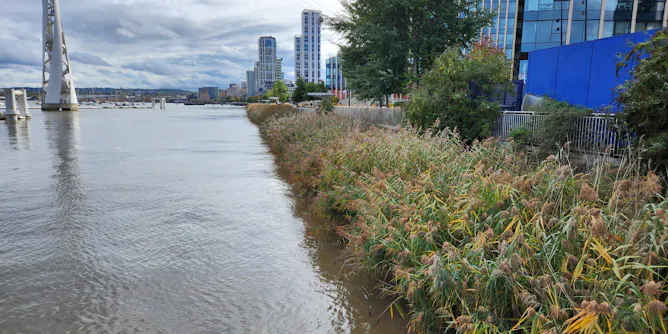
From concrete walls to living edges, the Thames is being reshaped to support fish, wildlife, and a healthier urban river.
Articles on Habitat restoration
Displaying all articles

New research found regrowth in Queensland provided valuable habitat after 15 years, on average, with some species benefiting from trees as young as 3 years of age.
Historical records describe a very different seafloor to the ones we see today.

Imagine using tailored soundscapes to restore ecosystems, simply by amplifying recordings of sonic cues that attract wildlife, stimulate plant growth and rebuild relationships between species.
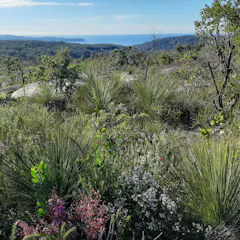
The need to restore native vegetation is clear, but we can’t properly repair nature without good, diverse supplies of native seeds.
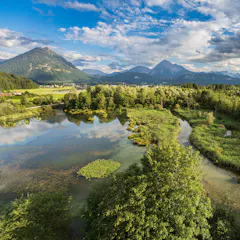
Two-thirds of conservation actions studied were found to benefit target ecosystems and species.
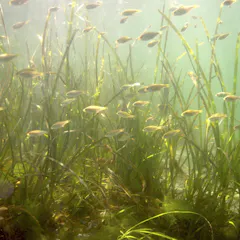
Overall, coastal habitat restoration greatly increases animal numbers and diversity. But not all projects deliver the goods and we need to find out why.
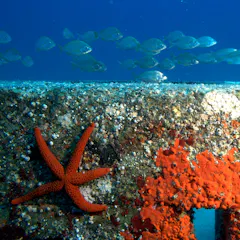
Concrete structures can recreate the complex forms of reefs, offering refuge to wildlife.
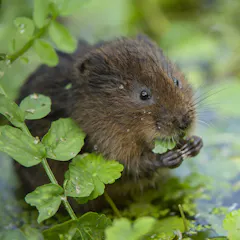
Wildlife populations continue to decline in the UK, one of the world’s most nature-deprived countries.
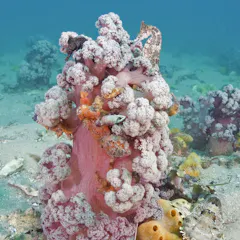
After a chance discovery in the lab, this team used IVF to make hundreds of coral babies for restoration projects in New South Wales. So far the IVF babies are doing well in the wild.
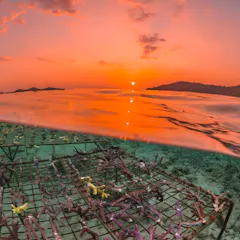
The world’s ecosystems need to be restored – and fast. Large corporations are well-placed to do so.

The optimal trade-off between restoring habitat and crop production hinges on pollinators. A new study shows giving pollinators more natural habitat on the farm leads to big increases in production.
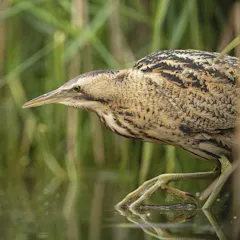
From a low of 11 males in 1997, Britain now has 228 booming bitterns at 103 sites nationwide.
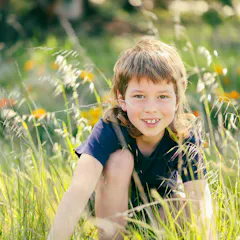
Having so many threatened species live among us in our towns and cities reflects the impacts of urban development but is also an opportunity for us all to pitch in and ensure their survival.
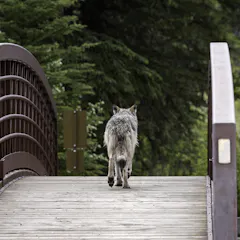
The hunting territories of wolves in the northern boreal forests are changing, in part due to the convenience of trails built for logging. This has placed caribou at an even greater risk.
Top contributors
-

Honorary Professor of Genetics, Evolution & Environment, UCL
-
Postdoctoral research fellow, The University of Melbourne
-
Postdoctoral Researcher, Department of Biology, Aarhus University
-
Research Fellow, Marine Biology, Lancaster University
-
Postdoctoral Fellow in Urban Biodiversity, The University of Melbourne
-
Senior Lecturer in Spatial Sciences and ARC DECRA Fellow, The University of Melbourne
-
Research Fellow, Global Wetlands Project, Australia Rivers Institute, Griffith University
-
Senior Lecturer in Biodiversity Conservation, University of Kent
-
Postdoctoral Research Fellow, Hawkesbury Institute for the Environment, Western Sydney University
-
PhD Candidate in Conservation, Bournemouth University
-
Professor in Marine Science, Griffith University
-
Research Scientist - Marine Climate Change, Hunter New England Local Health District
-
Professor of Marine Science, National Marine Science Centre, Southern Cross University
-
Adjunct Assistant Professor, Faculty of Science and Engineering, Southern Cross University
-
Associate Professor in Climate Change Biology, University of Oxford