
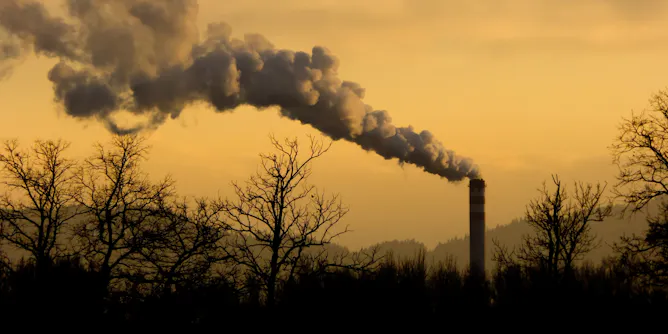
For the Paris deal to succeed we’ll need some effective carbon matchmaking.
Articles on Emissions trading scheme
Displaying 41 - 60 of 94 articles

The airline industry’s promised technological solutions have not arrived, and they never will.
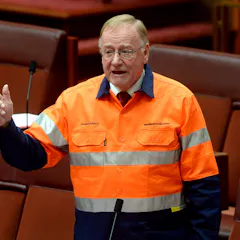
After fighting the 1990 election on a stronger climate platform than Labor, the following two decades saw an ebb and flow of climate scepticism in the Liberal Party, which still continues today.
Governments and the aviation industry have welcomed new proposed aircraft emissions standards - which rather suggests that the new rules don’t go far enough.
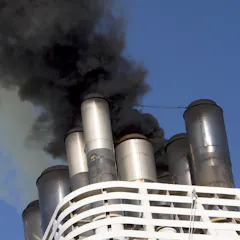
The IMF wants a levy on ship and plane fuel, but that won’t magically create low-carbon alternatives.
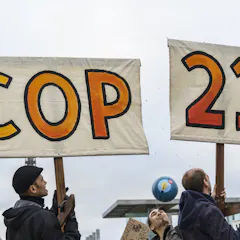
Despite there being no reference to the words “market mechanism” or “carbon market” in the agreement, the agreement clearly establishes a new international carbon market mechanism.
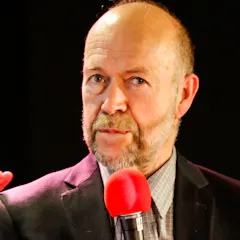
Former NASA climate scientist James Hansen has come to the Paris climate talks to push his radical alternative to current carbon pricing schemes.
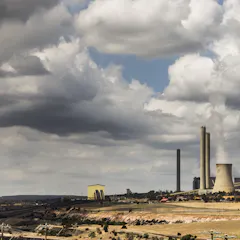
Australia needs to “reset” discussions related to climate policy, according to the government’s advisory body on climate policy.
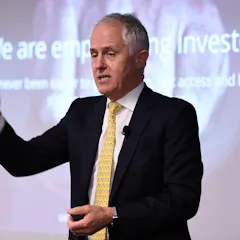
After years of squabbling over climate policy, do we now have a prime minister prepared to clean up the mess? Given a fair wind at the Paris summit and an election win, Turnbull might just pull it off.

Agriculture Minister, Barnaby Joyce, told Q&A that China will increase its carbon emissions 150% between 2005 and 2030. Is that correct?
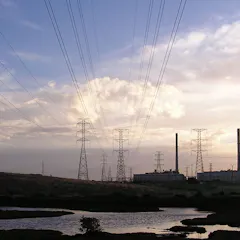
Australia used to have state-based emissions trading schemes, before they were ditched in favour of the now-abandoned national one. State premiers might say there’s no way to resurrect them, but there is.
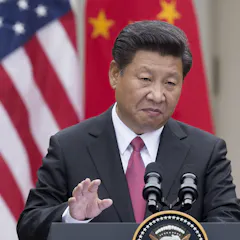
China, the world’s biggest greenhouse emitter, will set up a national emissions trading scheme beginning in 2017. Our experts react to the announcement, made during President Xi Jinping’s US state visit.
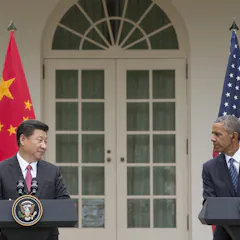
Chinese President Xi Jinping has made a landmark commitment on climate change, pledging to launch what will become the world’s largest and most important emissions trading scheme when it begins in 2017.
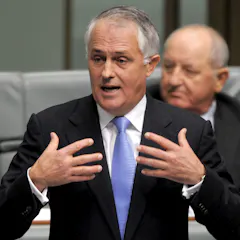
In backing Abbott’s existing climate policy, Malcolm Turnbull looks like appeasing his party. But his prospects would be better served by appealing to voters who are anxious for strong climate action.
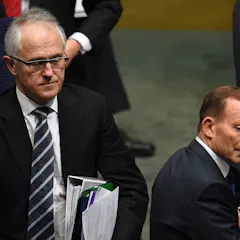
From Hawke-Keating to Rudd-Gillard, climate policy has an uncanny ability to cost Australian political leaders their jobs. And it was a key element in the rivalry between Tony Abbott and Malcolm Turnbull.
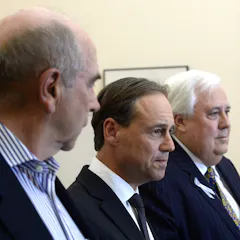
The Climate Change Authority, rocked by this week’s resignation of its chairman Bernie Fraser but saved last year by the Senate, will continue reviewing climate policy - even if its advice is ignored.
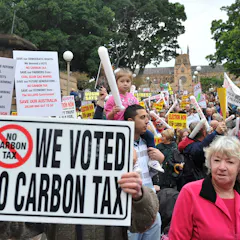
Carbon tax debates have been happening ever since the late 1980s, when policy-makers first started taking the “greenhouse effect” seriously.

Is ambitious action on climate change a recipe for a significant hit to the economy and our living standards?
The term ‘carbon tax’ is a political poison in Australia, thanks to the previous carbon tax which was actually an emissions trading scheme. Yet ironically, many economists prefer a tax over an ETS anyway.
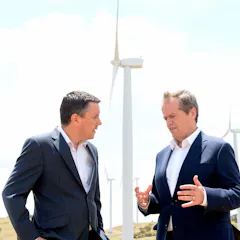
Labor says it hasn’t yet decided what climate policy to take to the next election, although this week’s leak has bolstered the idea that it will involve carbon pricing – a subject with a long and vexed history for the party.
Top contributors
-

Former Visiting Fellow, SPRU, University of Sussex Business School, University of Sussex
-
Senior Fellow in Energy and Climate Change, Grattan Institute
-
Professor, Crawford School of Public Policy and Director, Centre for Climate and Energy Policy, Australian National University
-
Associate Professor, The University of Western Australia
-
Senior Industry Fellow, Environment and Planning, RMIT University
-
Senior Research Fellow and Associate Professor, Melbourne Climate Futures initiative, The University of Melbourne
-
Faculty of Law, The University of Western Australia
-
Climateworks Centre CEO, Monash University
-
Director of the Climate Change Institute, Australian National University
-
Professor, Climate | Policy | Sustainability, York St John University
-
Emeritus professor, Australian National University
-
Research Lecturer, Western Sydney University
-
Research Fellow, London School of Economics and Political Science
-
Honorary Associate Professor, The Crawford School of Public Policy, Australian National University
-
Professor of Public Ethics, Charles Sturt University