
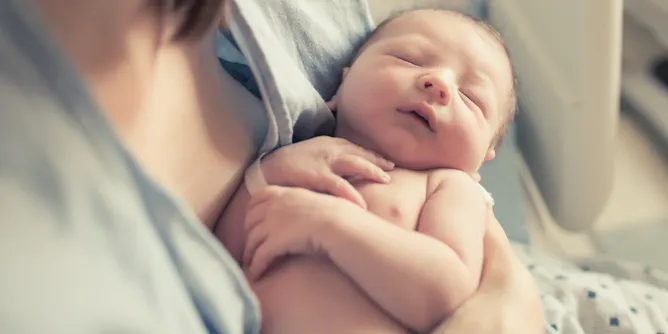
Women aged over 35 are sometimes offered genetic testing of their IVF embryos to rule out abnormalities. But it’s expensive and doesn’t increase their chance of a baby. In fact, it could reduce it.
Articles on Embryo
Displaying 21 - 40 of 47 articles
How embryos develop, evolution and sexual pleasure all help explain why men have nipples. But ‘man boobs’ are a different story.
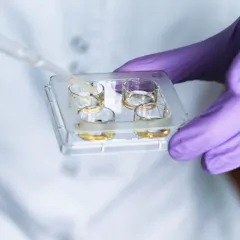
CRISPR technology could have momentous effects if it’s used to edit genes that will be inherited by future generations. Researchers and ethicists continue to weigh appropriate guidelines.

A ban on clinical trials involving gene editing rules out the controversial procedure done in China. But it also prevents procedures that could offer couples a chance for healthy children without genetic disorders.
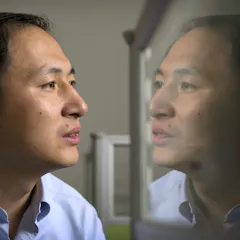
News of the gene-edited babies excludes images of the children’s mother. Cutting her out of the picture underscores the idea that the mother is obsolete and babies can be created in the lab.
Possible causes of limb malformations in babies born in rural areas of France.

Problems in facial development can occur with the skull, face, blood vessels, muscles, jaws and teeth. But it’s the hard palate forming the roof of your mouth that’s most commonly affected.
A recent ruling in an Ontario court fails to consider law governing the use of embryos.

The genes in our cells’ mitochondria are passed on in a different way than the vast majority of our DNA. New studies shed light on how the unique process isn’t derailed by mutations.

Parents’ DNA try to manipulate one another in a bid to shape junior in their mould.

Americans have moved on from worrying about ‘test-tube babies’ – but there are still ethical challenges to resolve as reproductive technologies continue to advance.
The news may have come as a surprise, but it probably shouldn’t have. A bioethics expert walks through how big a deal this announcement is – and what we should be considering now.

A new evolutionary perspective on what’s been a medical paradox: Why does the body use inflammation to regulate aspects of pregnancy when inflammation is also a big threat to pregnancy?
Taking the placenta as a case study, researchers are able to piece together how new organs evolve, by repurposing old tissues and using them to do new jobs.
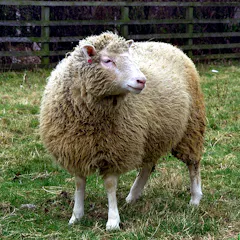
In 1997, scientists announced they’d created a healthy sheep cloned from another ewe’s mammary gland cell. Two decades on, the technique is being refined and applied to new challenges.
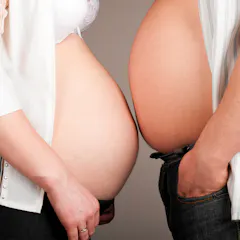
If you’re planning to become a parent, better lifestyle habits can reduce the risk of obesity in your children.
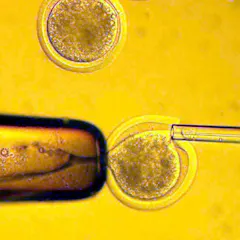
Stem-cell scientists have to work within many limitations placed on their research. One of these is the 14-day rule that outlaws research on pure human embryos over two weeks old.

It’s a landmark case but there are many unknowns.

Recent animal studies show the developing embryo is highly susceptible to environmental changes and the actions of the mother in early stages of pregnancy.
Embryos greedily want more resources than their fair share. New research investigates how early in evolution their hormonal tactics arose.
Top contributors
-

Lecturer, Macquarie University
-
Distinguished Research Professor, Emerita, Dalhousie University
-
Postdoctoral Fellow, Biomedical Engineering, UNSW
-
Associate Professor, Biomedical Engineering, UNSW
-
Law Dean; Professor of Law; and Professor of Bioethics & Public Health, Case Western Reserve University
-
Professor of Evolutionary Biology and Speciation, University of St Andrews
-
Professor of Biomedical Sciences, Colorado State University
-
Senior Research Fellow , Adelaide University
-
Lecturer, Law, Western Sydney University
-
Professor, University of Oxford
-
Political Scientist, RAND
-
Professor of Biology and Associate Chair of the Biology Department, Stanford University
-
Associate Professor , Adelaide University
-
Monash University
-
Postdoctoral Researcher of Evolutionary Biology, University of Pennsylvania