

Scientists question whether alarming reports of plastic particles in human organs are accurate or the result of laboratory contamination.
Articles on Embryology
Displaying all articles

This rare case that has left many anatomists scratching their heads, and ignited discussions about typical human anatomy and anatomical variation.
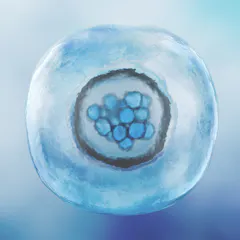
Early human development is a complex, multistep process that’s even more complicated to study in the lab. Models made from stem cells avoid some of the trouble with using real human embryos.
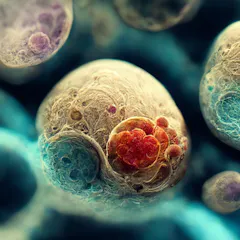
We should think carefully about whether it is ethical to create living human-like beings only to conduct research on them.
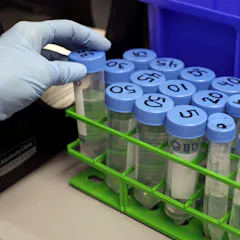
The International Society for Stem Cell Research’s newly released guidelines aim to address new ethical challenges posed by stem cell advances such as model embryos and human-monkey hybrid embryos.

Two research groups have turned human skin cells into structures resembling an early-stage human embryo, paving the way for exciting new research avenues, and opening up some tricky ethical questions.
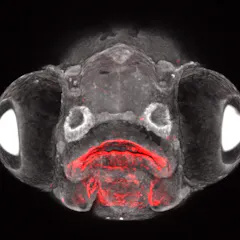
Recent studies using CRISPR to fast-track genetic studies into human disease genes appear flawed.

Women aged over 35 are sometimes offered genetic testing of their IVF embryos to rule out abnormalities. But it’s expensive and doesn’t increase their chance of a baby. In fact, it could reduce it.
How embryos develop, evolution and sexual pleasure all help explain why men have nipples. But ‘man boobs’ are a different story.

Problems in facial development can occur with the skull, face, blood vessels, muscles, jaws and teeth. But it’s the hard palate forming the roof of your mouth that’s most commonly affected.

A landmark study in the UK discovered the gene that allows cells to form into embryos. If Australian researchers attempted this they could go to jail for 15 years.
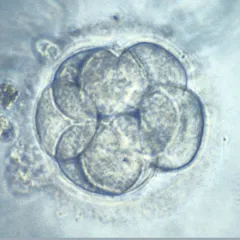
Two researchers are impressed with a pioneering study showing that it may be both safe and effective to edit out diseases in human embryos.
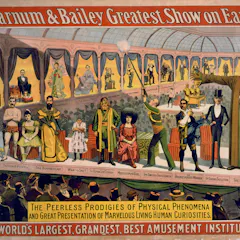
Most people don’t know if they have a hidden extra organ. But they’re surprisingly common and often harmless.
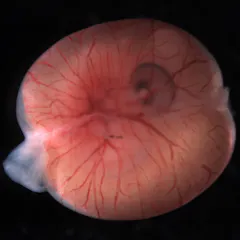
Taking the placenta as a case study, researchers are able to piece together how new organs evolve, by repurposing old tissues and using them to do new jobs.
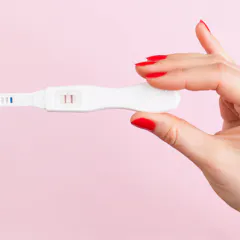
Researchers at a fertility clinic in Athens appear to have reversed the menopause in a small group of women – but will the science stand up to scrutiny?
Top contributors
-

Professor - Emerging Technologies (Stem Cells) at The University of Melbourne and Group Leader - Stem Cell Ethics & Policy at the Murdoch Children's Research Institute, The University of Melbourne
-
Adjunct Associate Professor, Anatomy, UNSW
-
Professor of Reproductive Science, UCL
-
Research Fellow in Biomedical Ethics, The University of Melbourne
-
Professor of Reproductive Medicine, University of Hull
-
Lecturer, Macquarie University
-
Assistant Professor of Obstetrics and Gynecology, School of Medicine, University of Washington
-
Senior Lecturer in Bioethics, University of Sydney
-
Group Leader, Developmental Genetics Lab, La Trobe University
-
Theme Director, Cell Biology, Murdoch Children's Research Institute
-
Lorenzo and Pamela Galli Chair in Developmental Medicine, Murdoch Children's Research Institute
-
Professor, Head of the Department of Anatomy and Developmental Biology and Director of the Organoid Program, Monash Biomedicine Discovery Institute, Monash University
-
Professor of Animal Development, Leiden University
-
PhD Candidate, Biological Effects of Nanomaterials, Leiden University
-
Adjunct Senior Research Fellow, Global and Women's Health, School of Public Health & Preventive Medicine, Monash University