

E-commerce companies should deliberately build systems that are structured to provide supportive business environments for small and medium enterprises.
Articles on Ecosystems
Displaying 241 - 260 of 319 articles

Ecology is in the midst of a technological revolution. From tiny sensors that can be fitted to animals, to swarms of remotely-piloted drones, researchers have a host of new ways to study the natural world.
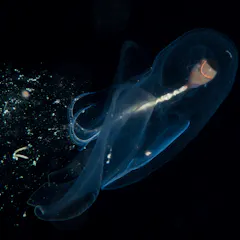
Biologists are finding new evidence that these ocean invertebrate grazers don’t just ingest whatever they catch. They can actually be picky eaters – and their choices might influence ocean food webs.
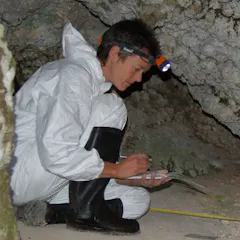
Scientists long assumed that the extinct moa played an important role as a disperser of large seeds. But a new study finds that New Zealand’s largest herbivore only dispersed the tiniest seeds.

With coral reefs in crisis around the world, many organizations are working to restore them by growing and transplanting healthy corals. A new study spotlights techniques that help restored reefs thrive.
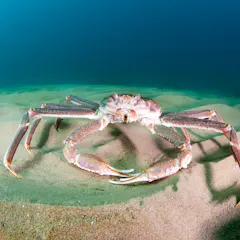
The tale of the snow crab bears witness to the how the complexities of climate change and fights over fishing rights play out.

Oysters aren’t just good for a feed. They also give a vital boost to coastal ecosystems, which is why efforts are underway to restore Australia’s once-abundant oyster reefs to their former glory.
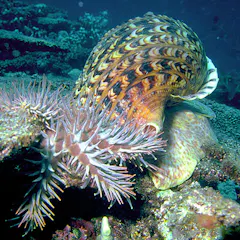
The federal government’s new funding aims to spread the net wide in investigating possible ways to protect the Great Barrier Reef’s corals. Winning this battle will require a wide range of weapons.
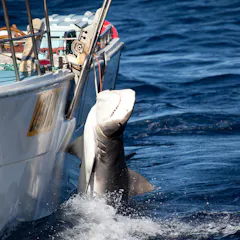
A Senate committee has recommended an end to sharks culls and nets. According to surveys, the public is on board with the idea of ending policies that are lethal to sharks.

A new study identifies dozens of individual reefs on the Great Barrier Reef that are especially important for coral larvae dispersal and which could help the entire ecosystem bounce back.
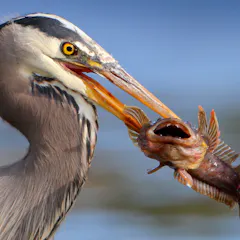
Mercury levels in seabirds living off the coast of British Columbia have been stable in recent years. New research suggests that this may be due to changes in their diet, not pollution control.
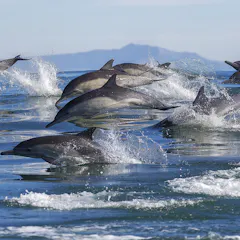
Marine mammals are often referred to as sentinels of the ocean and research on whales and dolphins in particular contributes important knowledge about the health of our seas.
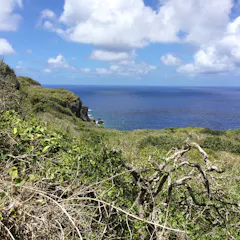
Guam’s trees are in trouble, thanks to the accidental release of a snake species 70 years ago, which has killed off many of the bird species that are vital for the health of the island’s forests.
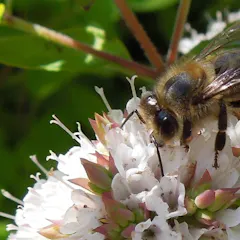
Garden pollinators can turn their noses up at the flowers human eyes find most beautiful.

Climate change is set to expand Antarctica’s ice-free area, potentially helping native species to flourish but also paving the way for invasive species to gain a foothold.
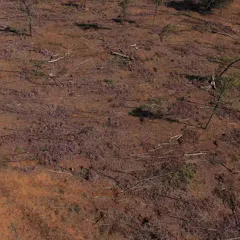
Legal vegetation ‘thinning’ is contributing to high rates of land clearing, potentially causing problems for threatened species and ecosystems.
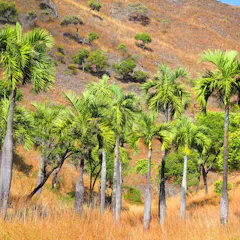
International and local demand have brought Madagascar’s palm species to the brink of extinction.
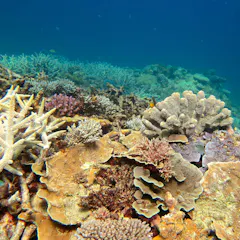
Tropical coral reefs can be saved from climate change and other pressures, but the window of opportunity is closing. And reefs are guaranteed to be markedly different in the future.

The impact of plant disease may be reduced if people are made aware of the many pathways for plant-killing microbes – and why preventing their spread matters to us all.
From fisheries to forestry, there’s a pattern to collapsing ecosystems and industries. If we can predict them, maybe we can avoid the damage.
Top contributors
-

Professor in Wildlife Ecology and Conservation, School of Life & Environmental Sciences, Deakin University
-
Professor in Conservation Science, School of the Environment, The University of Queensland
-
Associate Professor, Global Ecology, University of Sydney
-
ARC Future Fellow, Queensland University of Technology
-
Honorary Research Fellow, University of Sydney
-
Professor in Ecology, Charles Sturt University
-
Professor, Obafemi Awolowo University
-
Research fellow, Charles Sturt University
-
Professor Emerita, Department of Biological Sciences, Macquarie University
-
Professor, Water and Landscape Dynamics, Fenner School of Environment & Society, Australian National University
-
Matthew Flinders Professor of Global Ecology and Node Leader in the ARC Centre of Excellence for Indigenous and Environmental Histories and Futures, Flinders University
-
Lecturer in Ecology, University of New England
-
Associate Professor in Ecology, Charles Sturt University
-
Ecologist and Researcher, Flinders University
-
Professor in Biodiversity and Conservation, The University of Queensland