
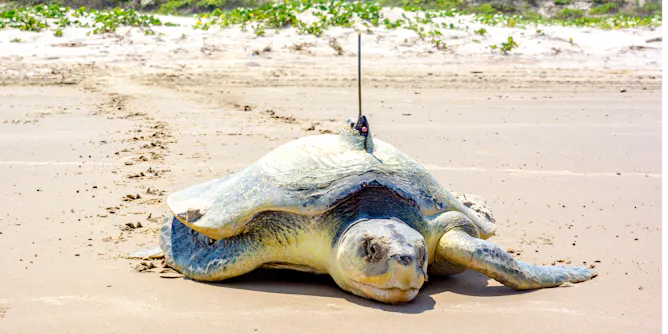
Mathematic models are becoming more sophisticated and now they could actually predict how likely a species is to die out.
Articles on Ecosystems
Displaying 221 - 240 of 319 articles
Countries can protect biodiversity and recognize Indigenous peoples as conservation partners.
The False Bay ocean food chain in Cape Town began to change significantly in 2015 with the appearance of shark-eating killer whales.
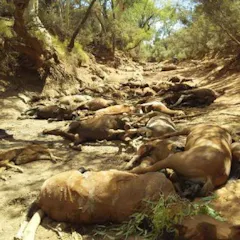
Mass wildlife die-offs, such as those wrought by Australia’s recent heatwaves, make for grim headlines. But the wider effects of extreme weather are more complex, and can be remarkably long-lasting.
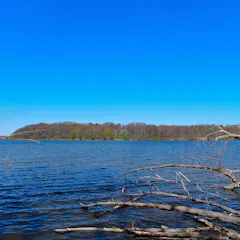
It’s cheaper to prevent biological invasions than to react after they happen. But it’s hard to detect invaders while there are still just a few of them. Knowing when and where to look can help.
Turning street lights off at midnight could save money, energy and help nocturnal ecosystems thrive.

Some media have reported shark numbers at ‘plague proportions’ in Australian waters. But a new analysis suggests the opposite: species such as hammerheads and white sharks have plummeted in number.
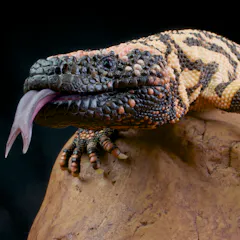
The Gila monster gave humans a treatment for diabetes. What other medical miracles are we losing by failing to protect wildlife and ecosystems?
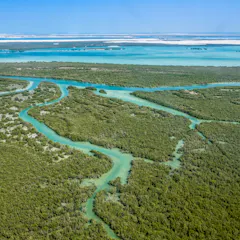
Mangrove forests grow in the tidal lagoons of tropical coastlines and they could actually benefit from climate change. Here’s what that means for us.
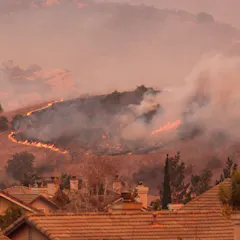
We need to learn to coexist with wildfires the way many ecosystems do. We won’t protect lives in the long term by trying to stamp the fires out.
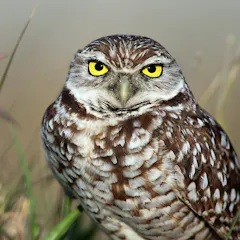
Carving up ecosystems or opening them to development puts the survival of species at risk.
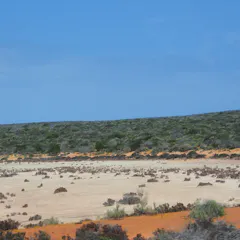
Nobel Prizewinning health researcher Peter Doherty reflects on the challenge of delivering a healthy climate for the world. From hydrogen power to wooden skyscrapers, the options are endless, but all require leadership.

For everyone from traditional hunters to the military, the National Park Service to the oil industry, climate change is the new reality in Alaska. Government, residents and businesses are all trying to adapt.
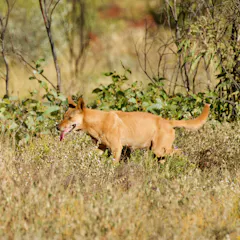
A survey of 32,000 samples of dingo droppings and stomach contents reveal that this predator’s appetite is as wide-ranging as Australia’s landscapes. But medium and large mammals are top of the menu.
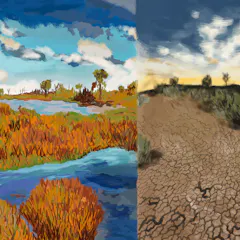
Wetlands in Australia are often dry. They may look unassuming but it’s a vital part of their vibrant lifecycle.

Mosses are the only plants that can withstand life in East Antarctica’s frozen landscape. But a new study shows that life is getting even harder, as ozone loss and climate change make conditions even drier.
What can we expect from our future climate after looking at the ‘Hothouse Earths’ of the past?
An AC/DC-loving biologist tests the band’s 1980 assertion that “rock ‘n’ roll ain’t noise pollution.” Turns out it can be – and the negative effects of noise can ripple through an ecosystem.
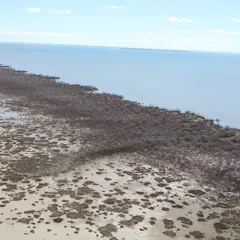
Australia has seen an unprecedented number of widespread, catastrophic transformations in response to extreme weather events.
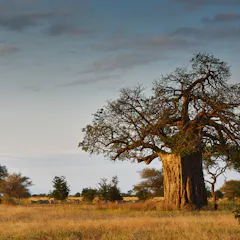
Despite them living for up to 2,500 years, researchers have discovered several baobab trees in Africa have died. Aida Cuni Sanchez on why these trees have a special place in our world.
Top contributors
-

Professor in Wildlife Ecology and Conservation, School of Life & Environmental Sciences, Deakin University
-
Professor in Conservation Science, School of the Environment, The University of Queensland
-
Associate Professor, Global Ecology, University of Sydney
-
ARC Future Fellow, Queensland University of Technology
-
Honorary Research Fellow, University of Sydney
-
Professor in Ecology, Charles Sturt University
-
Professor, Obafemi Awolowo University
-
Research fellow, Charles Sturt University
-
Professor Emerita, Department of Biological Sciences, Macquarie University
-
Professor, Water and Landscape Dynamics, Fenner School of Environment & Society, Australian National University
-
Matthew Flinders Professor of Global Ecology and Node Leader in the ARC Centre of Excellence for Indigenous and Environmental Histories and Futures, Flinders University
-
Lecturer in Ecology, University of New England
-
Associate Professor in Ecology, Charles Sturt University
-
Ecologist and Researcher, Flinders University
-
Professor in Biodiversity and Conservation, The University of Queensland