
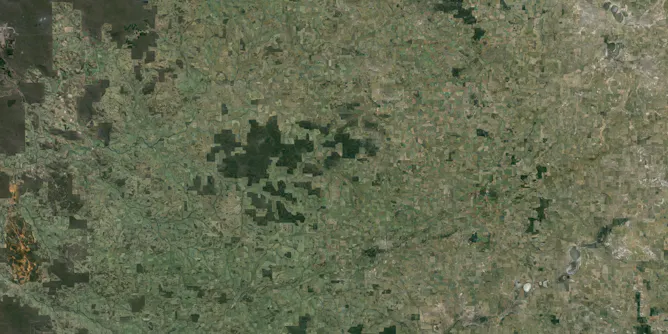
Australia may have reputation for vast areas of wilderness, but in reality the continent’s ecosystems have been chopped and diced. Now we need to protect what’s left.
Articles on Ecosystems
Displaying 281 - 300 of 319 articles
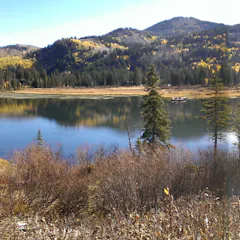
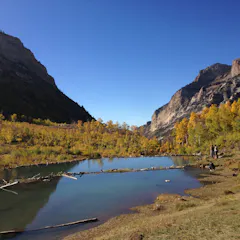
With a future of droughts looming for the US West, Utah’s Wasatch watershed offers a good model that combines conservation with nature-based recreation.
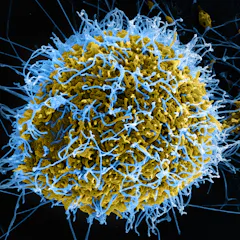
The word “virus” strikes terror into the hearts of most people. But most viruses are actually vital to our very existence.
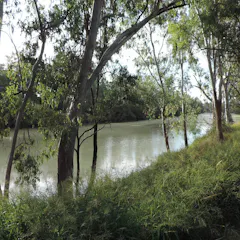
Rising carbon dioxide levels are making plants grow faster, sucking up more water and reducing river flows in many agriculturally important areas of Australia, according to new research.
Listing the value of bees, beavers and others on the pages of the world’s financial press helps to show that ecosystems deliver benefits worth staggering amounts of money - yet we scarcely keep track of it.

Human activities have altered whole ecosystems with declines in species diversity, extinctions and the introduction of weeds and pests. But it’s not just the outside world we’re harming.
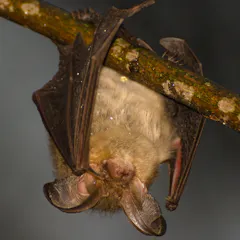
Bat populations have been hammered by deforestation. Efforts like tree-planting schemes are a step forward, but they’re doomed to fail unless we apply a bit more local knowledge.
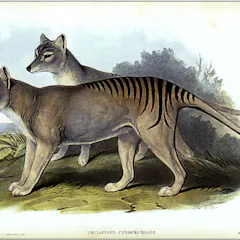
Many ecosystems have changed so radically that it is no longer possible to restore them to what they once were and in other situations it is not appropriate.
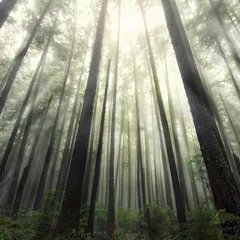
Each year more than 15 billion trees are lost worldwide, according to a major new study.
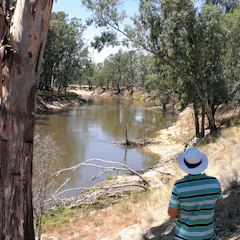
Around the world, waterbugs are the most widely-used indicator of environmental health and pollution of rivers, lakes and wetlands.
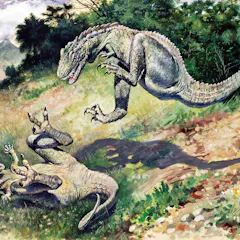
A “Pleistocene Park” might be a more realistic scenario.
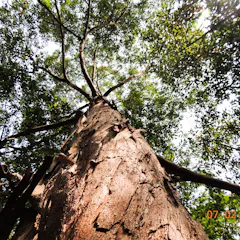
Trees are more like us than you might think. They even have a pulse. They just operate over much slower timescales.
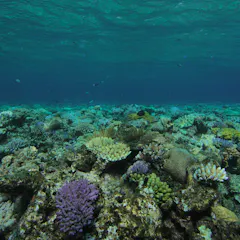
Consensus is growing that we are steering towards a sixth mass extinction event. There are calls for increased efforts to stop the accelerating loss of plants and animals. But do we really need to protect…

It may sound overly simple, but just five processes can define us as animals: eating, metabolism, reproduction, dispersal and death. They might not seem like much, but, thanks to a mathematical model from…
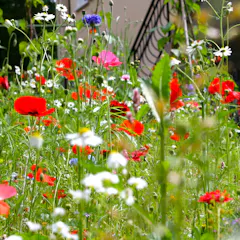
Are you feeling inspired from watching the Chelsea Flower Show? Do you long for an immaculate, well-designed garden, full of well-behaved plants, brimming with colourful flowers and attractive foliage…
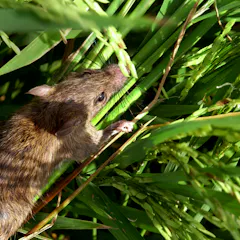
Declining numbers of zebra, antelope and other big grazers cause rodent populations to rapidly increase, a new study has shown. Published in the Proceedings of the National Academy of Sciences, Hillary…
Woodlands in the Australian subtropics could quickly become havens for native lizards if cleared areas are left to regrow…
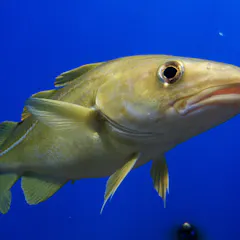
The rate at which the world has warmed over the past 50 years and is likely to continue to do so in the future poses problems for life on land and in the ocean. Most species have a defined range of temperatures…
Howler monkeys in Belize suffered from more parasite infections as a direct result of hurricane damage to the forest where…
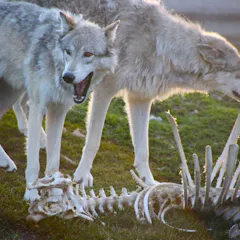
We are losing our large carnivores. In ecosystems around the world, the decline of large predators such as lions, bears, dingoes, wolves, and otters is changing landscapes, from the tropics to the Arctic…
Top contributors
-

Professor in Wildlife Ecology and Conservation, School of Life & Environmental Sciences, Deakin University
-
Professor in Conservation Science, School of the Environment, The University of Queensland
-
Associate Professor, Global Ecology, University of Sydney
-
ARC Future Fellow, Queensland University of Technology
-
Honorary Research Fellow, University of Sydney
-
Professor in Ecology, Charles Sturt University
-
Professor, Obafemi Awolowo University
-
Research fellow, Charles Sturt University
-
Professor Emerita, Department of Biological Sciences, Macquarie University
-
Professor, Water and Landscape Dynamics, Fenner School of Environment & Society, Australian National University
-
Matthew Flinders Professor of Global Ecology and Node Leader in the ARC Centre of Excellence for Indigenous and Environmental Histories and Futures, Flinders University
-
Lecturer in Ecology, University of New England
-
Associate Professor in Ecology, Charles Sturt University
-
Ecologist and Researcher, Flinders University
-
Professor in Biodiversity and Conservation, The University of Queensland