

The revamped citizenship test would include questions focused on “Australian values”. But why not ask prospective Australians to show an understanding of our ancient landscape and unique species too?
Articles on Ecosystems
Displaying 181 - 200 of 319 articles

We studied a rocky shore to see how global changes are playing out within habitats.
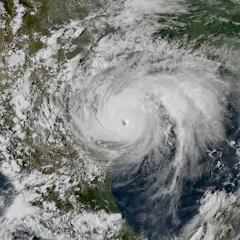
Hurricane Harvey destroyed the fishing infrastructure of Aransas Bay and reduced fishing by 80% over the following year. This removed humans from the trophic cascade and whole food webs changed.
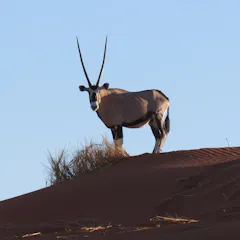
Wildlife populations have plummeted by 68% since 1970. But we have a plan to turn things around.

A new plan targets areas around the world that can store carbon and protect large numbers of species. It calls for preserving these lands, working with Indigenous peoples and connecting wild areas.
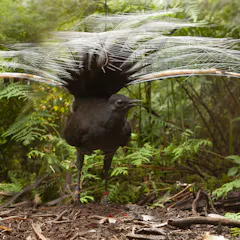
The Superb Lyrebird is famous for its song and dance, but what is less known is their extraordinary role as world-class ecosystem engineers.
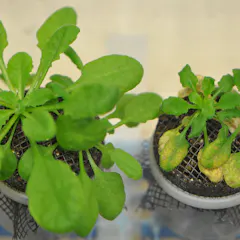
Just as humans can suffer from an imbalance of microbes in their gut, plants can suffer a similar syndrome in their leaves. This finding opens up new possibilities for improving food security.

The deteriorating Western Grassland Reserve in Victoria represents a failure of imagination. When the grasslands are steeped with history and culture, imagine its potential.
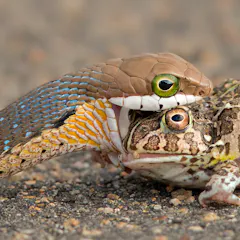
Social media has proved to be a helpful source of observations of snakes feeding. Knowing more about their diet is useful because it’s linked to their venom biochemistry.
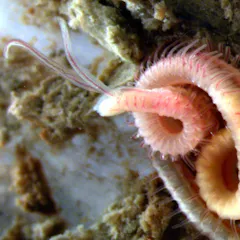
Mud blister worms make their homes in the shells of oysters and other shellfish, where they weaken their hosts.
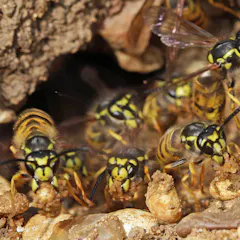
The invasive species was likely brought to Australia unintentionally by ship. Now found in every state and territory, the wasps are decimating our ecosystems.
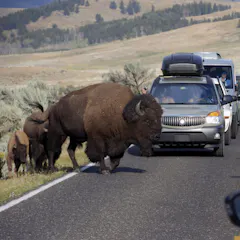
With national parks closed in many parts of North America, now is the time to rethink how we protect natural areas.
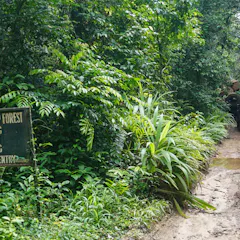
Protected areas in Nigeria are generally hampered by limited funds and resources.

The game is a fantastic metaphor for understanding how extinctions cause ecosystems to become more fragile.
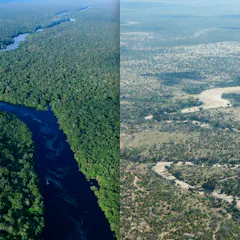
Our findings have worrying implications for the functioning of our planet.
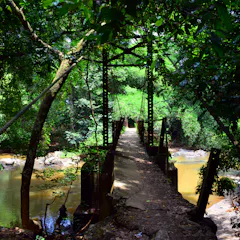
Population growth and attendant human activities are destroying a freshwater ecosystem.
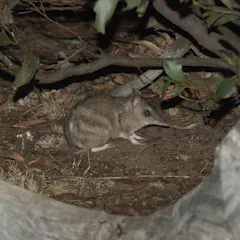
These Aussie diggers boost the health of our soils. But up until recently, we didn’t know just how much soil they can turn over (hint: it’s a lot).
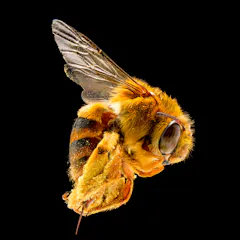
In NSW, honeybees are listed as a key threatening process to biodiversity.
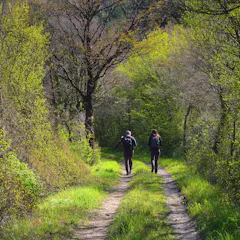
These scientists identified the five most severe crises the planet faces in a new report, Our Future on Earth 2020.
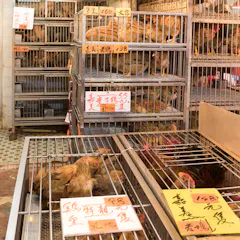
In the real world, new diseases emerge from complex environments. To learn more about how, scientists set up whole artificial ecosystems in the lab, instead of focusing on just one factor at a time.
Top contributors
-

Professor in Wildlife Ecology and Conservation, School of Life & Environmental Sciences, Deakin University
-
Professor in Conservation Science, School of the Environment, The University of Queensland
-
Associate Professor, Global Ecology, University of Sydney
-
ARC Future Fellow, Queensland University of Technology
-
Honorary Research Fellow, University of Sydney
-
Professor in Ecology, Charles Sturt University
-
Professor, Obafemi Awolowo University
-
Research fellow, Charles Sturt University
-
Professor Emerita, Department of Biological Sciences, Macquarie University
-
Professor, Water and Landscape Dynamics, Fenner School of Environment & Society, Australian National University
-
Matthew Flinders Professor of Global Ecology and Node Leader in the ARC Centre of Excellence for Indigenous and Environmental Histories and Futures, Flinders University
-
Lecturer in Ecology, University of New England
-
Associate Professor in Ecology, Charles Sturt University
-
Ecologist and Researcher, Flinders University
-
Professor in Biodiversity and Conservation, The University of Queensland