
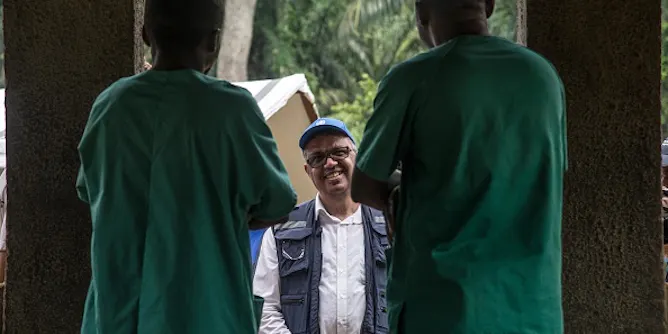
Everything starts and ends with leadership.
Articles on Ebola
Displaying 101 - 120 of 365 articles
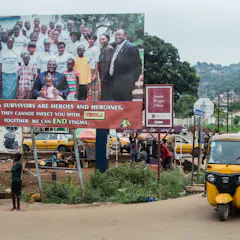
Experiences dealing with previous outbreaks of infectious disease can help countries with weak health systems prepare for new health emergencies.
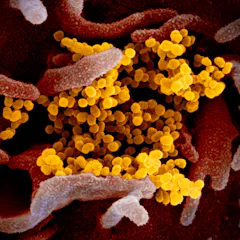
While identifying a new disease by its place of origin seems intuitive, history shows that doing so can have serious consequences for the people that live there.
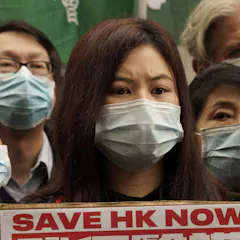
The prevalence of racism and scapegoating in the face of catastrophes and disasters has a much longer history than the new coronavirus outbreak.

Epidemiologists want to quickly identify any emerging disease’s potential to spread far and wide. Dependent on a number of factors, this R0 number helps them figure that out and plan accordingly.
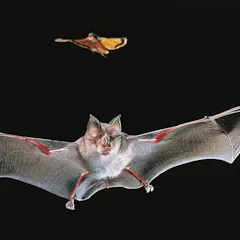
Some of the world’s worst diseases have come from animals. Bats, cows, camels and horses have all contributed. Now, scientists are working to know which animal introduced the new coronavirus.
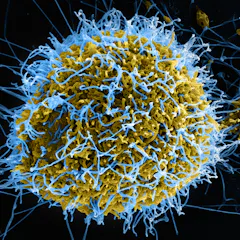
The Trump administration has cut funding for infectious disease research and reduced high-level staffing for global health security, leaving the nation less prepared for major outbreaks.
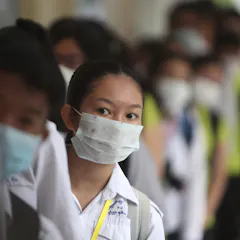
China’s coronavirus outbreak is stoking fears that it could become the next great global pandemic. As the World Health Organization declares a global emergency, it’s also fanning a pandemic of fear.
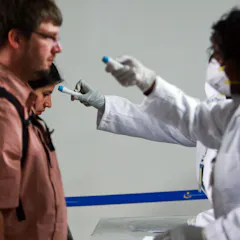
Airport public health officials have got better at screening at ports of entry especially for international arrivals.

The Nigeria Centre for Disease Control says it will use lessons from the Ebola outbreak to strengthen its risk communications capacity.
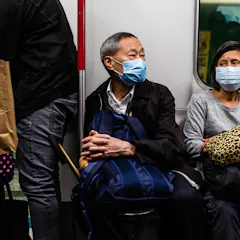
Two coronaviruses were identified in the 1960s, and five since SARS in 2003. It is the seventh that is now making headlines.
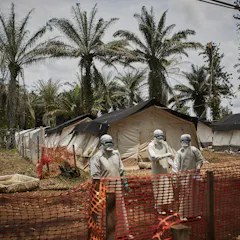
When done properly, a simulation exercise is a useful tool for evaluating preparedness for a public health emergency.
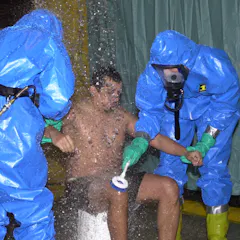
Talk of bioterrorism might provoke fears of smallpox and anthrax, but mundane threats like salmonella may pose greater danger. And experts say that the U.S. is not prepared for an attack.
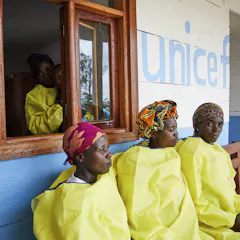
The emergency in the DRC shows that despite all these positive changes, the global response to containing Ebola outbreaks is undermined by the lack of health care and public health infrastructure.
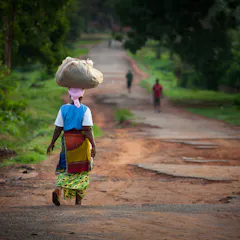
CC BY-NC-ND5.23 MB (download)
During almost all outbreaks, women provide the majority of care to the ill voluntarily in their homes at great risk and cost to themselves.
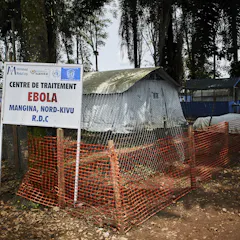
The current outbreak refuses to give in to efforts by an international team of health care workers, armed with vaccines and treatment that did not even exist during previous episodes.
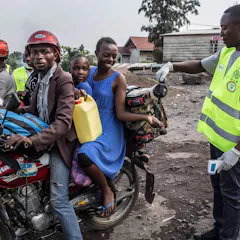
Nearly everything known about Ebola virus persistence in the reproductive system has resulted from testing semen of West African Ebola virus disease survivors.
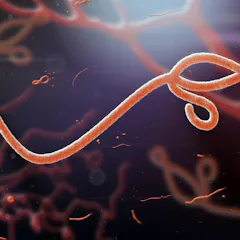
CC BY-NC-ND5.58 MB (download)
African researchers are on the front line of the fight to find a vaccine that will protect people against Ebola.
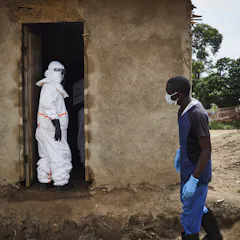
Two deadly viruses are ravaging the DRC. Why are we only hearing about one of them?
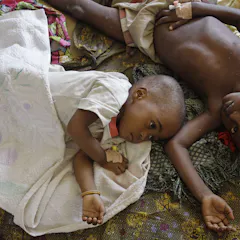
There’s a big market for new treatments for TB, malaria and other ailments. But most of these diseases afflict low-income people unable to pay for medicine.
Top contributors
-

Lecturer in Virology, Queen's University Belfast
-
Professorial Fellow, University of Canberra
-
Professor in the faculty of Medicine, Mbarara University of Science and Technology
-
Part-time lecturer at the Global Health & Social Medicine, Harvard University, and Lecturer at the School of Public Health, College of Health Sciences, University of Liberia
-
Professor of Global Biosecurity, NHMRC L3 Research Fellow, Head, Biosecurity Program, Kirby Institute, UNSW
-
Lecturer, Biomedical and Life Sciences, Lancaster University
-
Principal Medical Scientist (PhD MPH), National Institute for Communicable Diseases
-
Senior lecturer, Njala University
-
Professor of Infectious Diseases, Monash University
-
Principal Scientist and Canada Research Chair in Zoonotic Virus and Animal Reservoirs at the Vaccine and Infectious Disease Organization and Co-Lead of One Health at the University of Saskatchewan, University of Saskatchewan
-
Senior Lecturer in Communicable Disease Epidemiology, University of Sydney
-
Research Scientist, African Population and Health Research Center
-
Head of the Center for Emerging and Zoonotic Diseases, National Institute for Communicable Diseases
-
Professor of Immunology and Infection, Edinburgh Napier University
-
Associate professor, University of Sydney