
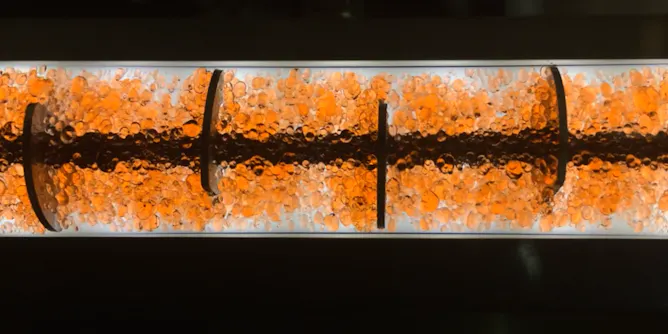
Electronic waste is accumulating and is a resource to be exploited. Microfluidic devices allow the development of recycling, including the recycling of rare earths – a precious resource.
Articles on E-waste
Displaying 41 - 60 of 67 articles
Right to Repair laws make it easier for consumers, repairers and tinkerers to fix their broken goods. It’s an attractive alternative to the dangers of overflowing e-waste.

Consumerism reaches a frenzied peak as the holidays approach, but it’s not too late to put on the brakes.
The digital economy is taking off. So are the greenhouse gas emissions, electronic waste and pollution associated with it.
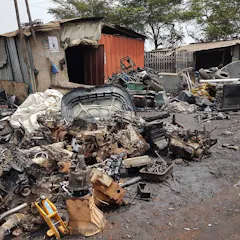
Sites like Agbogbloshie provides a valuable service. They offer opportunities for job creation, profit and cleaning up environments littered with waste.
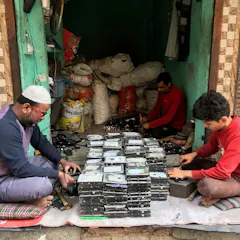
For as little as $4 a day Indian workers process dangerous, toxic waste by hand. This unregulated, highly polluting industry is hidden away from police eyes.
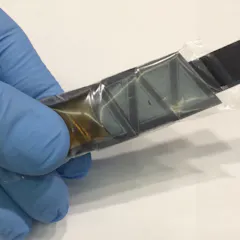
Paper-based devices with foldable, biodegradable batteries provide a new way to reduce electronic waste. But how would these new gadgets work?
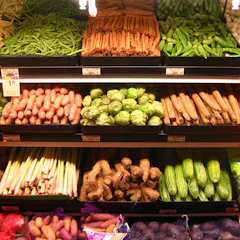
Research shows that campaigns that try to make consumers feel guilty about the amount they waste often make things worse, not better. A new study poins the way to more effective anti-waste campaigns.
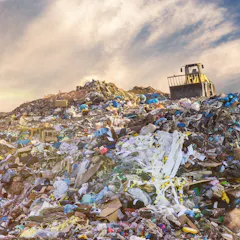
Old landfills could be, quite literally, untapped gold mines.

As cities become ‘smarter’, they need more and more objects fitted with technology. We need to think about designing these objects to accommodate computers, which often break down and create e-waste.
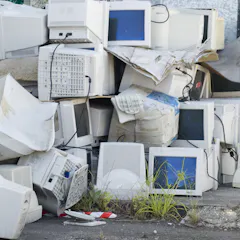
No amount of post-consumer recycling can recoup the waste generated before consumers purchase their devices.

The most sustainable phone is the one you already own. But if you’re in the market for a new handset, consider choosing one with replaceable parts to avoid having to replace the whole thing again.
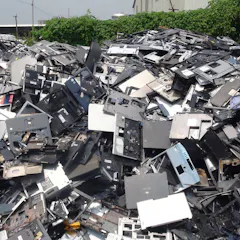
China, which recycles much of the world’s waste material, is slashing its scrap imports. This move could force the United States and Europe to boost recycling instead of shipping trash overseas.
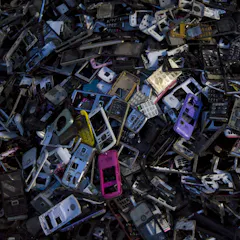
When technology evolves, it affects not only your financial position but also your ability to exercise other choices.
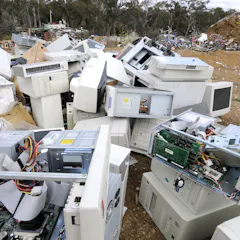
Australia is among the world’s top ten users of electronic and electrical products. But our systems for recycling the resulting ‘e-waste’ fall a long way short of other rich nations.
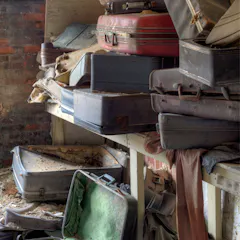
We want products that last, it’s up to manufacturers to provide us with the information we need to buy them.
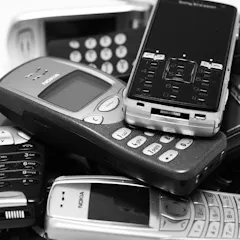
There are precious, and toxic, minerals in our old mobile phones. Far better to recycle them than dump them in the trash.
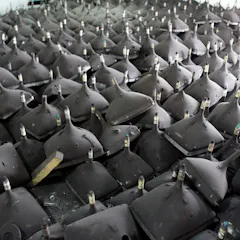
The need for a solution to e-waste disposal is more urgent than ever.
To be good global citizens, we must stop churning through energy-hungry devices. Earth cannot cope with the burdens, including mountains of e-waste, that electronic consumerism creates.
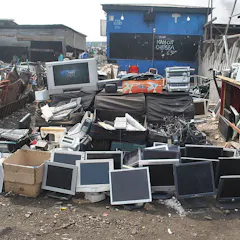
Design-for-recycling and take-back laws – not just more recycling – are needed to address the sprawling e-waste problem.
Top contributors
-

Professor of Applied Environmental Science, University of Southampton
-
Honorary Senior Lecturer, Industrial Design, UNSW
-
Professor, Institute for Media and Creative Industries, Loughborough University
-
Senior Lecturer in Sustainability| Business and Accounting Discipline, Charles Darwin University
-
Scientific Researcher, Joint Research Centre (JRC)
-
Research Active Lecturer, Discipline of Psychology, Charles Darwin University, Charles Darwin University
-
Professor, Information and Communications Technology, CQUniversity Australia
-
Professor of Bio-innovation and Enterprise, Coventry University
-
Full Professor of Geography, Memorial University of Newfoundland
-
Research Associate, Hong Kong University of Science and Technology
-
Professor of Environmental Geography, School of Biological Earth and Environmental Sciences, UNSW Sydney, UNSW
-
Professor of Global Environmental Politics, University of California, Berkeley
-
Reader in Forensic Geoscience, Keele University
-
Research Chair, Indigenous Approaches to Environmental Management, Keele University
-
Fellow of The Royal Society of Chemistry (FRSC), Deakin University