
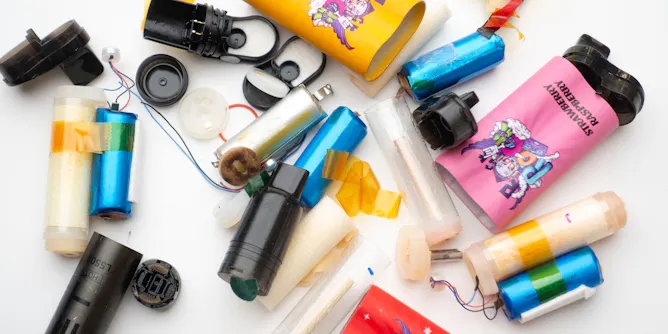
The most common vapes on the market are single-use, disposable ones. They contain valuable resources, yet aren’t designed to be recycled.
Articles on E-waste
Displaying 21 - 40 of 67 articles
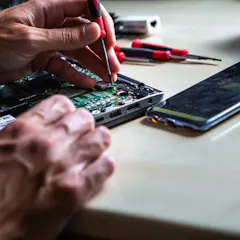
A ‘right to repair’ bill before parliament aims to reduce the cost and difficulty of fixing consumer items. Setting minimum acceptable lifespans for common products should be the first step.
Mining precious metals is expensive and environmentally destructive. As an alternative, researchers are increasingly eyeing recycling old smartphones, computers and other electronics.
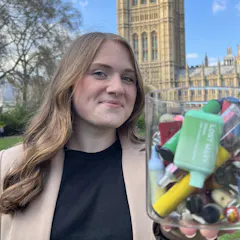
Grassroots activism can drive governments to take action. The recent decision to ban disposable vapes in the UK hinged on creative collaboration between communities, councils and decision-makers.
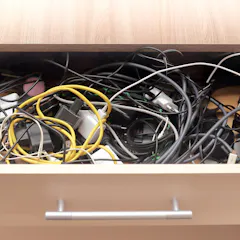
Electronic waste is one of the fastest growing waste streams in the world – there are things you can do to minimise your role in it.
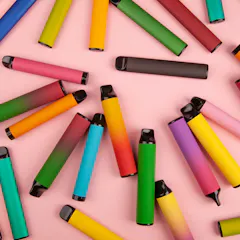
The vaping craze sweeping the globe is leaving a legacy of contaiminated e-waste in landfill while waste management authorities scramble to set up recycling schemes.
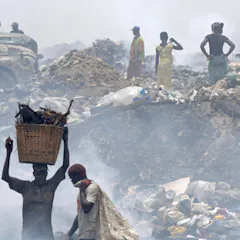
Employing children as waste pickers lowers costs but exposes them to hazards.

From tractors to smartphones, consumers may own their devices but the manufacturers still often hold the keys.
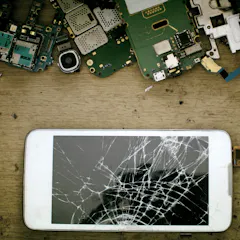
Tech companies still make it difficult to get gadgets repaired.
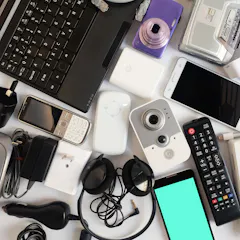
A striking feature of the report is the relatively brief treatment of ‘green’ technologies.
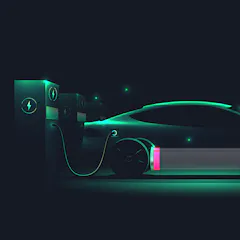
With an average shelf life of nine years, the coming tsunami of waste EV batteries needs action now.
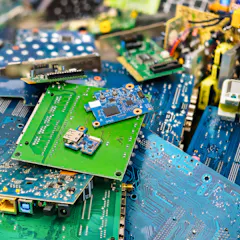
Rare-earth metals are currently mined or recovered via e-waste recycling — methods with drawbacks including high cost, environmental damage, and risks to human safety. This is where we come in.
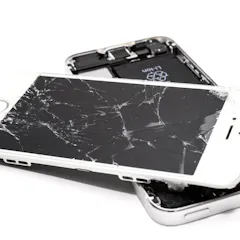
Used electronics and electrical equipment, known as e-waste, can generate a significant amount of money if recycled.
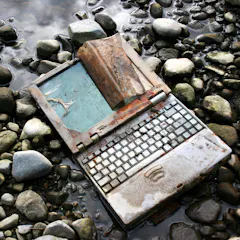
Technical advances are reducing the volume of e-waste generated in the US as lighter, more compact products enter the market. But those goods can be harder to reuse and recycle.
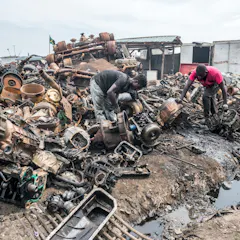
Despite knowing how harmful it can be, companies and businesses (primarily those in Europe and the US) target countries in the Gulf of Guinea as a dump for their toxic waste.

Batteries power much of modern life, from electric and hybrid cars to computers, medical devices and cellphones. But unless they’re made easier and cheaper to recycle, a battery waste crisis looms.

Apple’s newest release comes without a wall charger and earpods. While the shift could reduce the company’s carbon footprint, users shifting to wireless charging will use more energy.
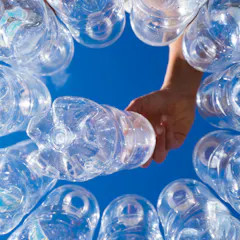
New Zealand’s potential to expand its domestic recycling sector is enormous. It could create jobs and divert millions of tonnes of waste from landfills, as long as there are clear, measurable targets.
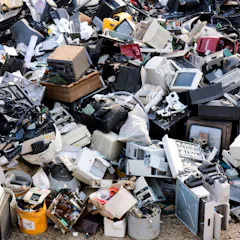
Within the growing mountains of electronic waste, precious metals lie waiting to be recovered.
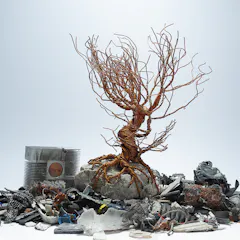
Demand for electric and electronic products is fuelling the meteoric rise in e-waste.
Top contributors
-

Professor of Applied Environmental Science, University of Southampton
-
Honorary Senior Lecturer, Industrial Design, UNSW
-
Professor, Institute for Media and Creative Industries, Loughborough University
-
Senior Lecturer in Sustainability| Business and Accounting Discipline, Charles Darwin University
-
Scientific Researcher, Joint Research Centre (JRC)
-
Research Active Lecturer, Discipline of Psychology, Charles Darwin University, Charles Darwin University
-
Professor, Information and Communications Technology, CQUniversity Australia
-
Professor of Bio-innovation and Enterprise, Coventry University
-
Full Professor of Geography, Memorial University of Newfoundland
-
Research Associate, Hong Kong University of Science and Technology
-
Professor of Environmental Geography, School of Biological Earth and Environmental Sciences, UNSW Sydney, UNSW
-
Professor of Global Environmental Politics, University of California, Berkeley
-
Reader in Forensic Geoscience, Keele University
-
Research Chair, Indigenous Approaches to Environmental Management, Keele University
-
Fellow of The Royal Society of Chemistry (FRSC), Deakin University