
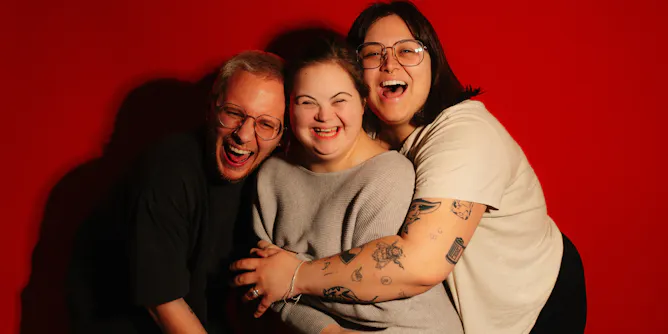
YouTuber Jesse Ridgway’s post about his family’s decision to terminate a pregnancy due to a Down syndrome diagnosis has sparked debate about the persistence of eugenics narratives.
Articles on Down syndrome
Displaying 1 - 20 of 24 articles
South Africa needs to take pragmatic steps to plug the shortcomings in the data that’s collected on people with intellectual and developmental disabilities.

Down syndrome results in changes to the structure and function of neural circuits in the brain. Delivering a specific protein to neurons could reverse these changes.
Animals can be born with genetic or developmental issues that make it hard for them to live normal lives. They also can develop mental health problems in response to conditions around them.

Donald Trump’s words about Kamala Harris – she’s a ‘mentally disabled person’ – were widely criticized as coarse and ugly. They are also often found among disparaging descriptions used by others.

After sifting through DNA from almost 10,000 people from ancient and pre-modern societies, we have discovered six cases of Down syndrome in past human populations.

People with Down syndrome have an extra chromosome 21. Understanding the effects of those triplicated genes could help improve the health of those with Down syndrome and other medical conditions.
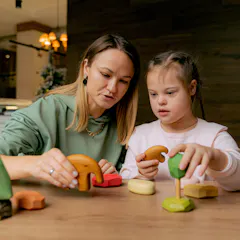
There are many benefits to being bilingual.
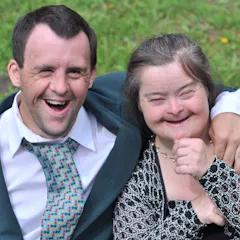
World Down Syndrome Day is marked on March 21 annually. Canadian scientists have helped improve the quality of life of those affected.
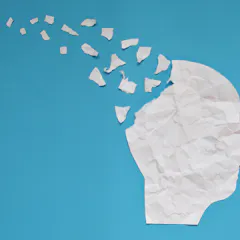
People with Down syndrome are at much higher risk of dementia than the general population. Knowing when cognitive changes start is critical for developing new drugs.
Academics from different disciplines come Head to Head in this series to tackle topical debates.
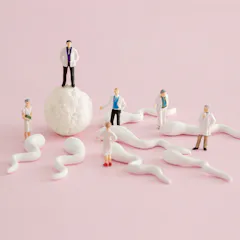
The debate about the pros and cons of genetically screening embryos is deeply entrenched. Perhaps we should let couples decide.

And why the contribution of people with learning disabilities to the arts must be celebrated.

Family is not a clearly defined structure in the story: It isn’t biological or reflective of some ‘norm.’ It is instead a choice to stick together, come what may.

Cystic fibrosis, spinal muscular atrophy and fragile X syndrome are serious diseases, and most couples carrying the genetic mutations for these don’t know it. Should they all be tested?

There are several problems with the recently released guidelines for diagnosing autism. But the fundamental issue is that we’re striving for diagnosis first, and help later.

Most of us will be carriers of recessive genes that cause disease. If our partner carries the same gene we could pass it on to our kids. Testing exists, but what are the pros and cons?
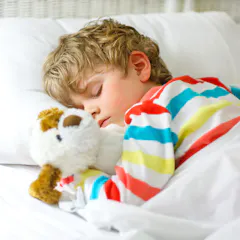
How a lack of sleep impacts a child’s ability to learn.
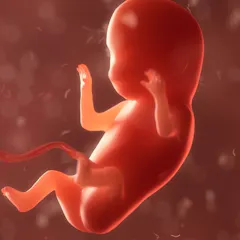
We still don’t know what’s behind four out of every five birth defects. But that can change.

Characters with Down syndrome are extremely rare in novels and rarer still are stories written from their point of view. But people with disabilities have an equal right to belong in narrative fiction.
Top contributors
-

Professor, The University of Western Australia
-
Research Fellow, The University of Western Australia
-
Phd Student in Population Genetics, The University of Western Australia
-
Lecturer in Reproductive and Molecular Genetics, UCL
-
PhD Candidate, Yıldız Technical University
-
Adjunct Associate Professor, Murdoch University
-
Developmental Biologist, Murdoch Children's Research Institute
-
Professor in Medicine, Ethics and Society, University of Warwick
-
Emeritus Associate Professor, Alan J Flisher Centre for Public Mental Health, University of Cape Town
-
Lecturer, Stellenbosch University
-
Senior Lecturer in Clinical Psychology, UCL
-
Professor of Genetics, University of Kent
-
Honorary Professor of Reproductive Genetics, University of Kent
-
Teaching Fellow, University of Surrey
-
Sessional Tutor in Creative Writing, Queensland University of Technology