

COVID-19 deaths tend to be more unexpected and traumatic than other types of deaths. A sociologist explains the mental health burdens facing the millions who’ve lost a relative to the coronavirus.
Articles on Disease
Displaying 81 - 100 of 260 articles

If you found the COVID pandemic affected you differently to your friends, it could be down to your DNA.
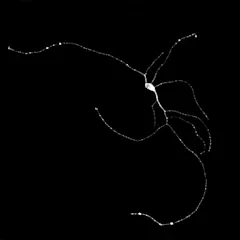
Cell cultures have shown promise in representing diseases. The Petri dish is not as different from a sick person as one might think.

Father Damien’s legacy has inspired health providers and humanitarians for over a century.
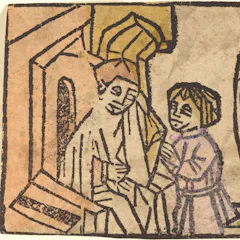
Churches’ struggles to respond to the plague and constant warfare in the 14th and 15th centuries helped shape the kinds of Christianity in the world today.

A robust body of research finds that getting vaccinated against COVID-19 during pregnancy is safe and effective – and the best way to protect both mother and child from the risks of COVID-19.

The study found that short amounts of weekly resistance exercise lowered risk of premature death from many different diseases by around 10-20%.

Extra virgin olive oil contains polyphenols, which studies have linked to a range of different health benefits.

Ageing is the single biggest risk factor for developing multimorbidity.
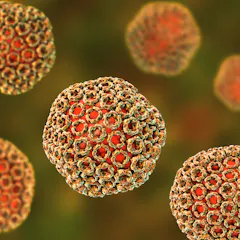
Manufacturing is just one part of the vaccine ecosystem. It’s the health system that delivers vaccines and people must be willing to take them.

The past century’s vampires have often been a bit dashing, even romantic. That’s not how the myth started out.

A new study puts numbers to the health and environmental benefits – or impacts – of individual foods and shows how small changes can make a significant difference.
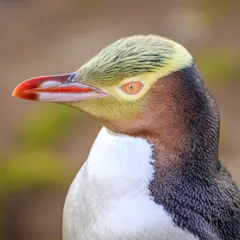
The bacteria which causes the infection in yellow-eyed penguins is closely related to a human pathogen.

The first full human genome was sequenced 20 years ago. Now, a project is underway to sequence 1 million genomes to better understand the complex relationship between genetics, diversity and disease.

Van Leeuwenhoek, who discovered bacteria, is one of the most important figures in the history of medicine, laying the groundwork for today’s understanding of infectious disease.

Hollywood movies have long leaned into colonial representations of the tropics: imagined as romantic palm-fringed coasts full of abundance, but also scary places full of pestilence and primitiveness.
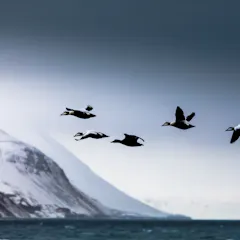
We can learn about the spread of diseases through populations by studying naturally occurring instances of herd immunity. Avian cholera in the Canadian Arctic provides a useful case study.
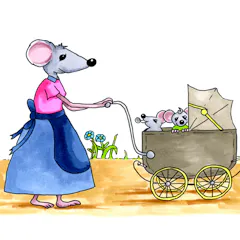
Microbes can alter the minds of mouse mothers and disrupt their natural instinct to nurture their young.
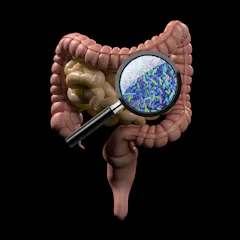
Whether or not you respond to a certain medicine or therapy doesn’t just depend on you. The microbes in your gut play a role in the success or failure of various drugs, including cancer therapies.

Lifestyle medicine targets the root of chronic diseases like obesity, heart disease and diabetes. Experts explain why everyone should embrace these free prescriptions for good health.
Top contributors
-

Chancellor's Professor of Medicine, Liberal Arts, and Philanthropy, Indiana University
-
Alfred Deakin Professor and Chair in Ecology, Deakin University
-
Lecturer in Virology, Queen's University Belfast
-
Professor and Chair, Department of Environmental Health, Boston University
-
Associate Professor, Epidemiology, Deakin University
-
Senior Lecturer in Microbiology, Western Sydney University
-
Adjunct Associate Professor of Population Health Sciences, University of Wisconsin-Madison
-
Associate Professor of Osteoarchaeology, Uppsala University
-
Professor Emeritus of Environmental and Occupational Health Sciences, University of Washington
-
Professor of Environmental Medicine, University of Wisconsin-Madison
-
Professor of Mathematical Biology and Public Engagement, University of Bath
-
Professor of Microbiology and Immunology, Indiana University
-
Lecturer in Zoology, Aberystwyth University
-
Senior Lecturer in Southern Ocean Vertebrate Ecology, Institute for Marine and Antarctic Studies, University of Tasmania
-
Senior Lecturer in Ecology, University of Wollongong