

Do you knit or solve puzzles for fun? Research suggests hobbies such as these could help keep your brain healthy, particularly in older age.
Articles on Disease
Displaying 21 - 40 of 260 articles

The move reshapes how future assessments of chemical dangers will be carried out, and if they’ll be ignored, delayed or understated to benefit industry.

Authorities are racing to contain a suspected outbreak of a rare respiratory disease. A microbiologist explains what it is and how it spreads.

Could philanthropists be dominating global health metrics, governance, and outcomes?
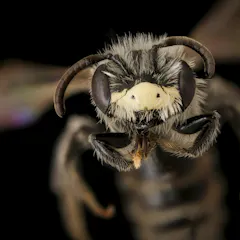
The accusations you might have heard about nonnative honey bees aren’t backed up by evidence. In fact, there are plenty of ways bees make the world a better place.
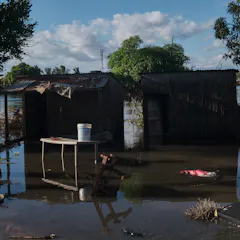
Flooding alters the environment in ways that favour malaria transmission.

Climate change is making people sicker and more vulnerable to disease, doctors and scientists explain. Erasing the federal endangerment finding increases the risk.

This debilitating disease is particularly dangerous for babies, but can affect people at any age. Vaccination remains a key line of defence.

The highly social lives of many marine mammals brings many benefits. But it also comes with a hidden cost.
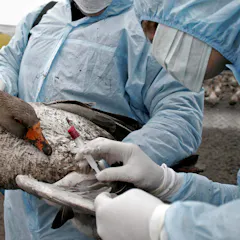
The virus hasn’t yet adapted to spread to humans, but it’s not getting any less likely.
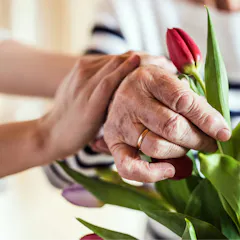
Classifying aging as a disease would risk stigmatizing older age and exacerbating ageism.

From extreme heat to mosquito-borne illnesses, climate change is making people sicker and more vulnerable to disease. Health scientists explain what individuals and governments can do about it.

Delphi-2M is the first open source, large-scale model for predicting a patient’s disease risk and when it may occur.
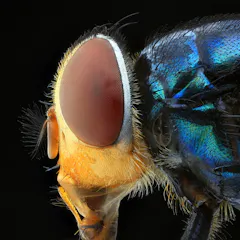
Flies see things differently.

White-tailed deer host these brain worms, but they don’t actually get the disease, which makes it harder for biologists to monitor its prevalence.
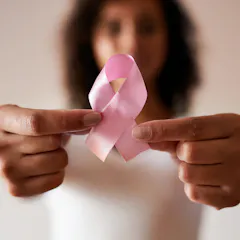
Two genomic variants contribute to the risk of breast cancer in black South African women.

Centenarians are of such great interest to scientists because they may hold the key to understanding how we can live longer in good health.
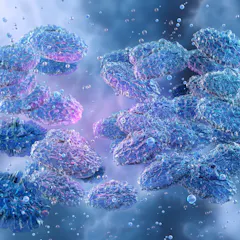
But today it’s rare – and can be effectively treated with antibiotics.

Antibiotic resistance has played a key role in the evolution and survival of bacteria.
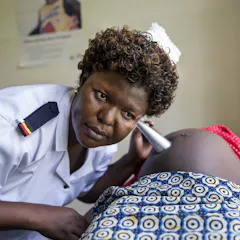
Research indicates that pre-eclampsia has a genetic basis. African women are at greater risk than other population groups.
Top contributors
-

Chancellor's Professor of Medicine, Liberal Arts, and Philanthropy, Indiana University
-
Alfred Deakin Professor and Chair in Ecology, Deakin University
-
Lecturer in Virology, Queen's University Belfast
-
Professor and Chair, Department of Environmental Health, Boston University
-
Associate Professor, Epidemiology, Deakin University
-
Senior Lecturer in Microbiology, Western Sydney University
-
Adjunct Associate Professor of Population Health Sciences, University of Wisconsin-Madison
-
Associate Professor of Osteoarchaeology, Uppsala University
-
Professor Emeritus of Environmental and Occupational Health Sciences, University of Washington
-
Professor of Environmental Medicine, University of Wisconsin-Madison
-
Professor of Mathematical Biology and Public Engagement, University of Bath
-
Professor of Microbiology and Immunology, Indiana University
-
Lecturer in Zoology, Aberystwyth University
-
Senior Lecturer in Southern Ocean Vertebrate Ecology, Institute for Marine and Antarctic Studies, University of Tasmania
-
Senior Lecturer in Ecology, University of Wollongong