
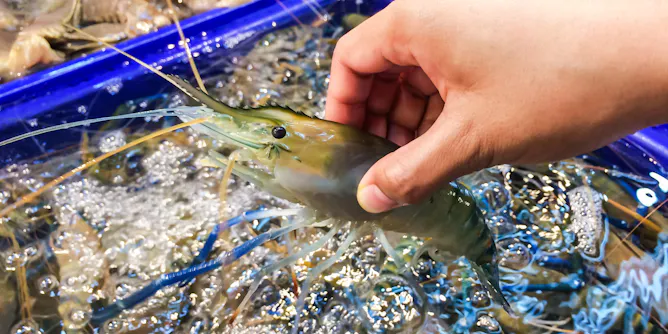
Entire populations of prawn ‘super-females’ are now being commercially distributed. The science behind this continues to advance and could have a far-reaching impact on both humans and animals.
Articles on Disease
Displaying 141 - 160 of 260 articles
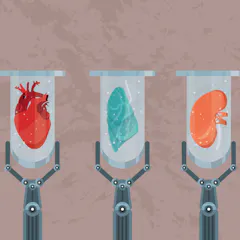
The idea behind regenerative medicine is that the patient is both the donor and recipient of healthy tissue grown from stem cells. But sometimes the transplanted cells are rejected. Now we know why.
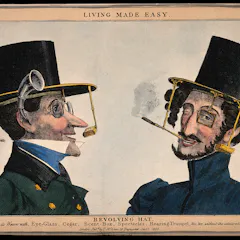
The history of smell in 18th-century England reveals the complex story of scent and personal space.
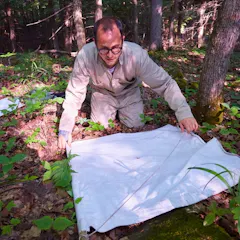
A tick expert explains his work trying to understand why the abundance of the parasites vary so much from location to location and year to year.
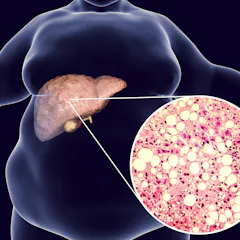
Almost all drugs are tested in living animals before human clinical trials. But most of the time what works in mice doesn’t work in humans. That’s why lab-grown human livers may be so valuable.
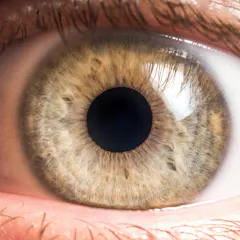
Just like the gut, the skin and the mouth, the eye also has a collection of microbes that keep it healthy. Understanding the eye microbiome may lead to new probiotic therapies.
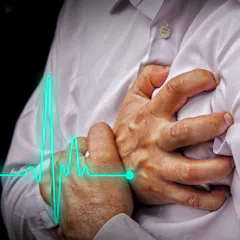
Using a large family whose members suffered from mitral valve prolapse, one of the most common heart diseases worldwide, researchers have discovered one cause of the disorder.
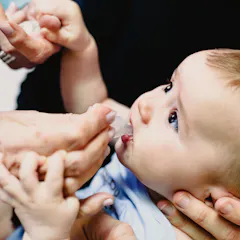
An economics risk analysis offers some insight into the modern anti-vaxx movement.
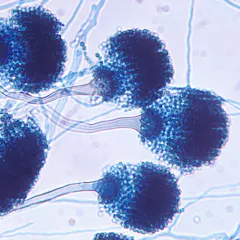
On your marks, get ready, go! Australian researchers compete in a global event to try to stop fungal diseases.
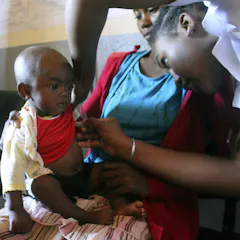
Scientists identified the general pattern of measles infections as a country moves toward eliminating the disease. This roadmap can help public health workers most efficiently fight and end measles.
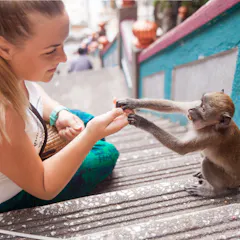
The way humans share the world with wildlife has rapidly changed – and this is having a serious impact on the spread of pathogens.
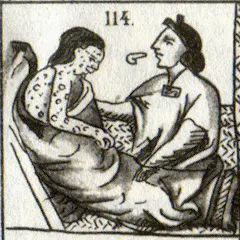
Hernán Cortés owed his conquest of the Aztecs to his expedition’s unknown, unseen secret weapon: the smallpox virus. Disease epidemics can set the course of human history.
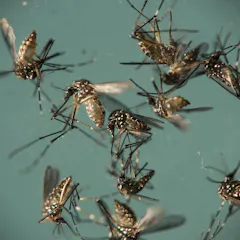
In January, measles returned to the Pacific Northwest, while Ebola resurged in the Congo. It would take a lot more research for scientists to be able to stop threats like these in their tracks.
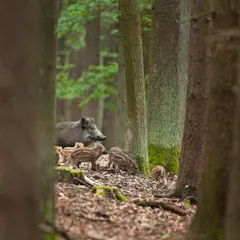
Wild boars are being scapegoated for an epidemic of African swine flu that threatens the pork industry.
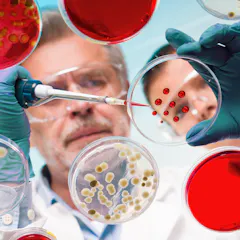
Scientists still rely on a set of 19th century postulates to identify disease-causing organisms but more than 100 years of research shows why we need to move on.
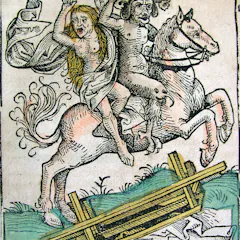
Reports of demonic possession are once again on the rise. But during the devil’s last apogee in early modern Europe, demonic afflictions were taken seriously by both priests and physicians.
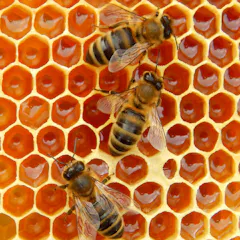
Remote sensors allowed us to observe the in-hive activities of honeybees, which could be key to keeping bee colonies worldwide healthy.

Did you ever consider that human beings might have a breeding season? Birth seasonality exists – and has interesting implications for childhood disease outbreaks.
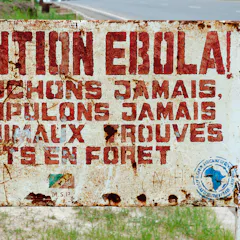
Instability in the DRC and Ebola’s deadly properties is making it hard to contain the virus.
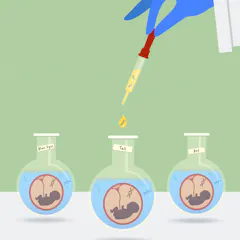
Forecasts of designer babies followed the announcement of the gene-edited twins, just as they have for any reproductive technology since 1978. This signals the public must learn more about genetics.
Top contributors
-

Chancellor's Professor of Medicine, Liberal Arts, and Philanthropy, Indiana University
-
Alfred Deakin Professor and Chair in Ecology, Deakin University
-
Lecturer in Virology, Queen's University Belfast
-
Professor and Chair, Department of Environmental Health, Boston University
-
Associate Professor, Epidemiology, Deakin University
-
Senior Lecturer in Microbiology, Western Sydney University
-
Adjunct Associate Professor of Population Health Sciences, University of Wisconsin-Madison
-
Associate Professor of Osteoarchaeology, Uppsala University
-
Professor Emeritus of Environmental and Occupational Health Sciences, University of Washington
-
Professor of Environmental Medicine, University of Wisconsin-Madison
-
Professor of Mathematical Biology and Public Engagement, University of Bath
-
Professor of Microbiology and Immunology, Indiana University
-
Lecturer in Zoology, Aberystwyth University
-
Senior Lecturer in Southern Ocean Vertebrate Ecology, Institute for Marine and Antarctic Studies, University of Tasmania
-
Senior Lecturer in Ecology, University of Wollongong