
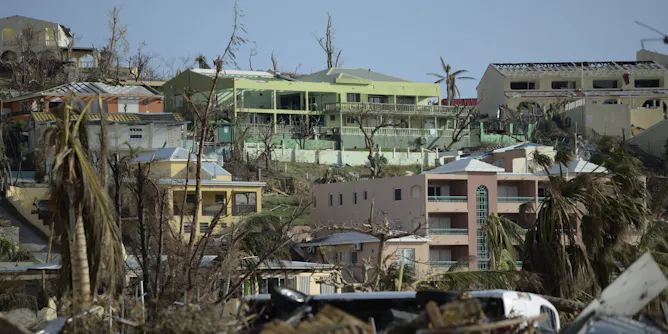
Corruption has made hurricane Caribbean countries’ recovery less efficient and more expensive, new research shows. Misuse of funds may also trigger more disaster-related deaths.
Articles on Disaster relief
Displaying 41 - 60 of 83 articles
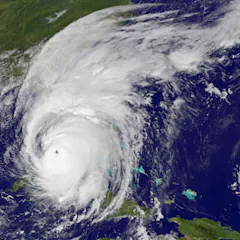
The 2018 hurricane season starts on June 1, with some communities still recovering from 2017 storms. Scholars offer insights about where the risks lie and who is most vulnerable during and after hurricanes.
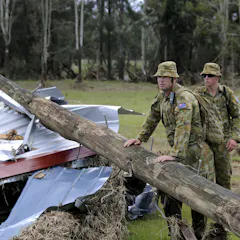
Australia faces many security issues driven by climate change, including more international migration and an increase in defence personnel being sent on disaster relief missions, a Senate inquiry has found.
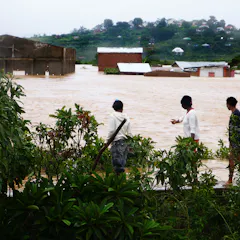
Madagascar gets hit by an average of four cyclones each year but their full impact is still being tracked.
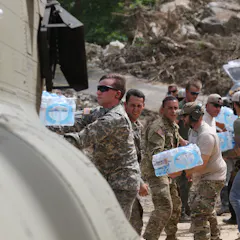
Compared to its foreign disaster missions, the US military mobilized slowly after Maria. But in numbers, capacity and logistics coordination, its work in Puerto Rico was on par with other aid efforts.
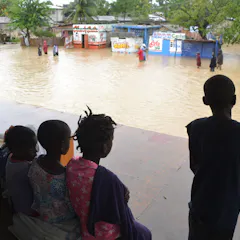
Shocking allegations of abuse by Oxfam aid workers in Haiti are testament to how badly the aid sector needs deep, systemic reform.
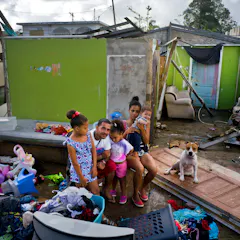
Charitable giving and government aid can shortchange disasters that follow other disasters.
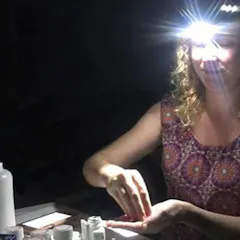
It’s hard but feasible to make a difference, as long as you work with the locals and don’t become a ‘disaster tourist.’
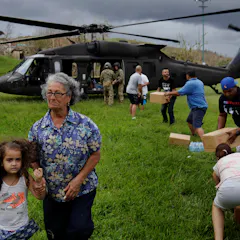
Two hurricanes in Puerto Rico’s past fundamentally transformed the island’s economy and politics. Maria will be the third, says a historian.
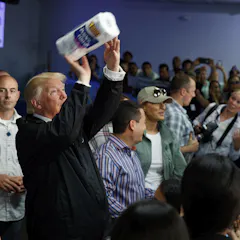
Evidence shows that US taxpayers are less willing to support extensive disaster relief when the victims are not white. Could that explain the Trump administration’s lackluster support for Puerto Rico?
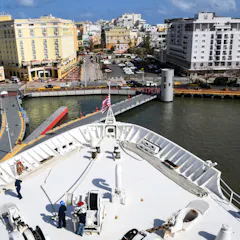
The military can make a big difference right away but humanitarian deployments should generally be rare and brief.
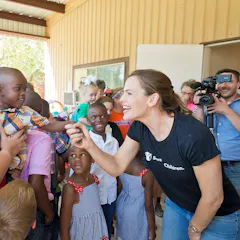
After a hurricane strikes or an earthquake makes shockwaves, support nonprofits that are clear about what they do and how they will spend your money.
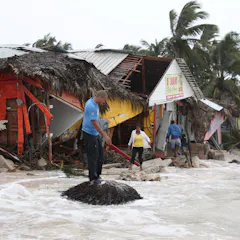
Hurricane Maria has left 3.4 million Puerto Ricans facing shortages of food, health care and transit, an American humanitarian crisis fueled by the US territory’s May 2017 bankruptcy.
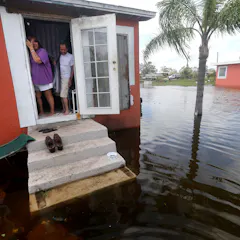
The bills now pending in Congress won’t do what it will take.
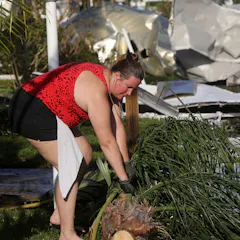
The desire to help during emergencies like Hurricane Irma is admirable. Doing some homework might make your contributions go farther.
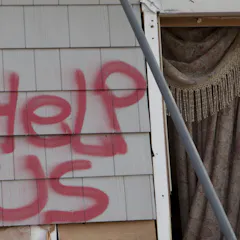
Donations to relief efforts from corporations and celebrities may get the most attention, but they are exceptions.
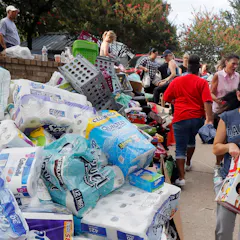
If you want to do the greatest good, send money.
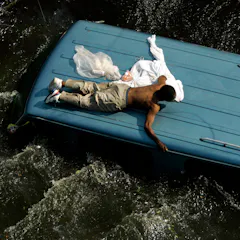
Researchers examined credit data on the victims of Hurricane Katrina to understand how the disaster affected their personal finances, revealing important lessons for those hurt by Harvey.
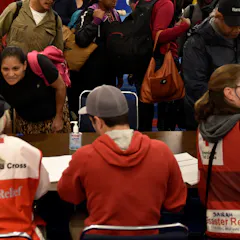
There are reasons to channel Harvey aid through the nonprofit despite evidence that it wasted money following Haiti’s earthquake and fumbled Superstorm Sandy relief efforts.
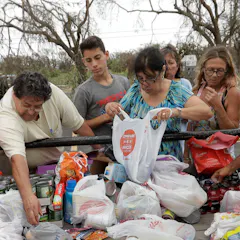
The desire to help during emergencies like Hurricane Harvey is admirable. With a little homework, your contributions will go further.
Top contributors
-

Furman Public Policy Scholar, New York University
-
Professor of Public Administration, Binghamton University, State University of New York
-
Eugene M. Isenberg Chair in Integrative Studies, UMass Amherst
-
Director, Program on Resilient Communities, Harvard University
-
Fellow, Harvard Humanitarian Initiative, Harvard University
-
PhD candidate in African & African Diaspora Studies, The University of Texas at Austin
-
Principal Investigator FiRES Project (SNSF Consolidator Grant), ETH Zürich, Switzerland // Honorary Associate Professor, University of Wollongong, Australia.
-
Professor of International Relations, The University of Queensland
-
Professor of Electrical, Computer and Biomedical Engineering, University of Hartford
-
Honorary Associate Professor, Australian National University
-
Senior Research Fellow, ETH Zurich
-
Visiting Assistant Professor of Information Sciences and Technologies, Rochester Institute of Technology
-
Professor of Information Sciences and Technologies, Rochester Institute of Technology
-
Assistant Professor, Internal Medicine, University of South Florida
-
Professor of Anthropology, University at Albany, State University of New York