

AI-generated images of wildfires have been circulating online, leading the British Columbia government to issue an online warning.
Articles on Disaster impact
Displaying all articles
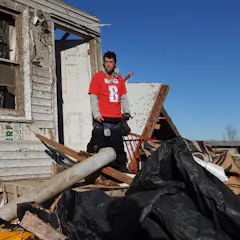
The most affordable homes face the highest risks from disasters for three key reasons.
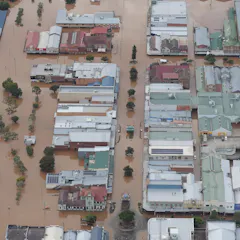
When disaster strikes, not everyone is affected the same way. Research shows the experiences of sexually and gender diverse people are frequently very different to those of heterosexual people.

Other existential risks include the decline of natural resources (particularly water), human population growth beyond the Earth’s carrying capacity, and nuclear weapons.
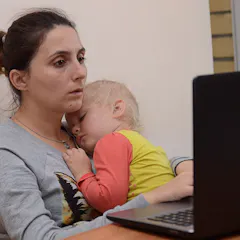
Babies and toddlers might not be able to communicate well or at all with words, but they show their distress during disasters through behaviour. Here’s how parents can help them cope.
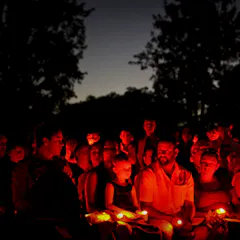
Research on other natural disasters tells us there’s a long road ahead for survivors of the current bushfire crisis – but there are some key lessons.
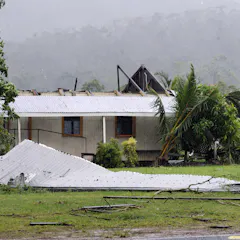
Most homes are not as cyclone-ready as they could be. It seems lower insurance premiums aren’t enough of an incentive for owners to upgrade their homes, but a new study points to some solutions.
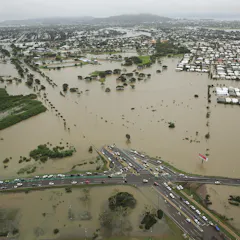
Disaster information needs to come from all sections of a community at risk, and we need to leave nobody marginalised.
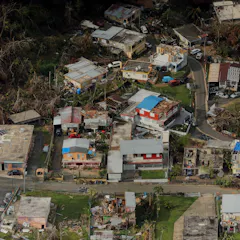
Thousands died after Hurricane Maria, but it did not have to be that way. Early evidence should have led the government to a much stronger response.
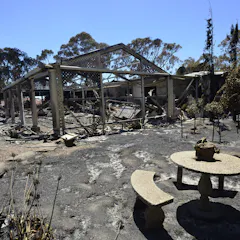
What decisions can we make today to reduce the future risk of hazards like floods and fire? Particularly in a time of climate change, modelling various plausible futures helps us plan for uncertainty.
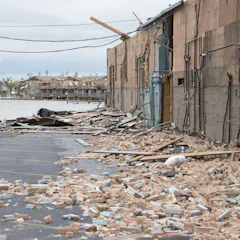
The widespread discussion as to whether the Hurricane Harvey disaster was caused by climate change or not is a dangerous distraction from the real issues.
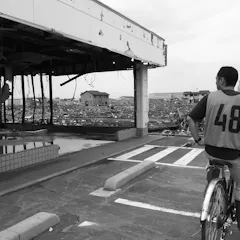
Understanding what parts of society are susceptible to natural hazards and why, is key for emergency services and risk managers.
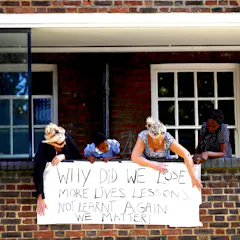
Marginal people become resourceless, invisible to public policies, and disempowered in public life. This increases their vulnerability to disaster.
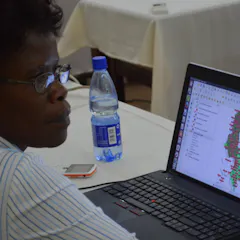
As climate change increases the frequency and severity of disasters in the near future, leveraging social media data, crowd-sourcing and other means of discovering the unknown will become crucial.
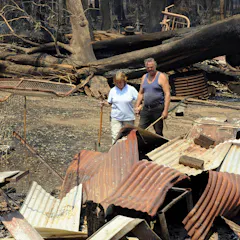
Rebuilding small communities on the same site in the same way seldom works. It’s not about getting back to where you were, but rather grasping the opportunity to create a more resilient place.
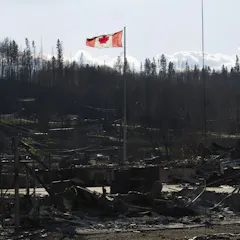
The recent Canadian wildfires revealed the need for cutting-edge disaster management strategies.

You might think having trees around your home is the worst idea during a bushfire, but some plants can actually help repel fire.
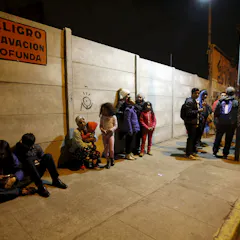
Earthquake monitoring can now detect a quake and warn people before it arrives.
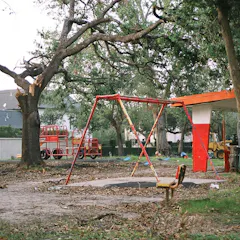
There were only 3,964 seniors in the graduating New Orleans class of 2015, which represents only half of the original cohort of babies. What happened to the missing children?
Top contributors
-

Principal Investigator FiRES Project (SNSF Consolidator Grant), ETH Zürich, Switzerland // Honorary Associate Professor, University of Wollongong, Australia.
-
Senior Lecturer in Sustainable and Resilient Urbanism, Loughborough University
-
Senior Researcher at the Center for Security Studies (CSS), ETH Zurich
-
Research Fellow, School of Civil, Environmental and Mining Engineering, Adelaide University
-
Professor of Sociology and Director of the Natural Hazards Center, University of Colorado Boulder
-
Early Career Research Fellow, The Royal Botanic Gardens, Kew and Research Fellow, School of Environment, University of Auckland, Waipapa Taumata Rau
-
Associate Professor, Florida Institute for Built Environment Resilience, University of Florida
-
Co-Founder of The Data Tank and Co-Founder and Chief Research and Development Officer of the Governance Laboratory (GovLab), New York University
-
Reader in Information Systems and Emergency Management, Loughborough University
-
Associate Professor of Ecology, Lincoln University, New Zealand
-
Research Fellow, American University School of Public Affairs
-
Senior Research Fellow, ETH Zurich
-
Adjunct Associate Professor, Adelaide University
-
Adjunct Professor, Global, Urban and Social Studies, RMIT University
-
Associate Professor of Public Health, New York University