

In 2027, Canadians 18 years and older with mental illness who are deemed to meet age and other eligibility criteria could potentially access doctor-assisted death in Canada.
Articles on disabled students
Displaying all articles
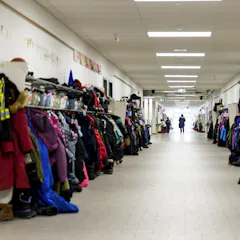
All students and families will be impacted by cuts and provincial reforms being imposed on Ontario schools, and those who are already disadvantaged will bear the brunt.

Awareness of disability in higher education has improved. Disabled students’ access still depends on how reliably universities deliver support day to day.
If universities want to be truly inclusive, that must extend to people with disabilities, whether they are students or staff.

All students who apply to university need ‘U’ courses, but Toronto-area research reveals few students with zero Grade 12 ‘U’ courses apply for any post-secondary education at all.
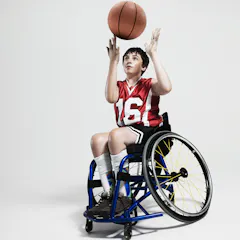
Although disabled students are supposed to have equal access to school sports, questions remain about whether they participate at the same rate as their nondisabled peers.
A review of government services has found that autistic people are being failed in health, education, employment, poverty and housing.
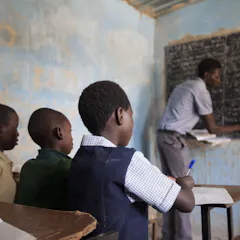
Ubuntu is a concept that emphasises the importance of including everyone and building a strong community.

Pairing disability counsellors with post-secondary instructors to help them design classes is one way colleges and universities can improve their efforts to support students with disabilities.

In New South Wales and Victoria the number of students being home educated increased by 20% in 2020 (1,224 extra children) compared with 2019. But the rise has been evidenced for a decade.

As provinces consider extended holidays, or school closures loom as a possibility under COVID-19, schools should commit to providing in-person schooling for students with disabilities.
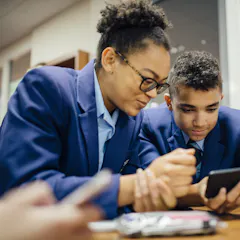
Privileged children get to use phones in school while others face bans for ‘messing around’‘.

Every school in Australia must be built with the varying needs of students with disabilities in mind. This is a worthy goal but achieving it is complicated. Looking at some examples can help.

A professor of information discusses how an app she developed can help solve the problem of schools failing to report when students are restrained or secluded.
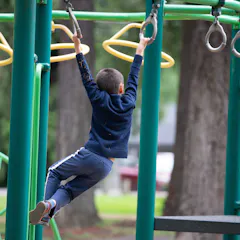
Interviews with students who have a vision impairment show they wish their teachers and friends knew more about them. Here are the four key messages they want to communicate.
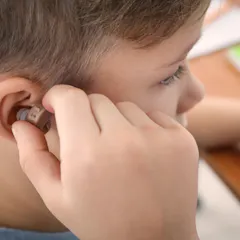
There are systemic problems with the way mainstream schooling treats students with disabilities. A Royal Commission would shed light on these issues and give us a way forward to a more equal future.
Top contributors
-

Sessional Lecturer, Faculty of Education, University of Manitoba
-
Assistant Professor of Information, University of Michigan
-
Postdoctoral Visitor, York University
-
Sociologist and Visiting Scholar, Stanford University
-
Adjunct Professor, School of Nursing and Midwifery, Western Sydney University
-
Associate Professor, School of Education, University of Southern Queensland
-
Associate Professor in Public Health and Wellcome Trust Career Development Fellow, Swansea University
-
Director, Indigenous Education Futures, The University of Melbourne
-
Assistant Professor of Law and Society, Wilfrid Laurier University
-
Lecturer in Education, University of Newcastle
-
Senior Lecturer, Faculty of Architecture, Building & Planning, Universitry of Melbourne. Co-Director Learning Environments Applied Research Network., The University of Melbourne
-
Adjunct Associate Professor of Psychiatry, Queen's University, Ontario
-
MSc Course Director, Learning Environments, UCL
-
Associate Professor in Inclusive Education and Arts Education, Australian Catholic University
-
Professor of Kinesiology and School Head, School of Exercise, Sport, and Health Sciences, Oregon State University