
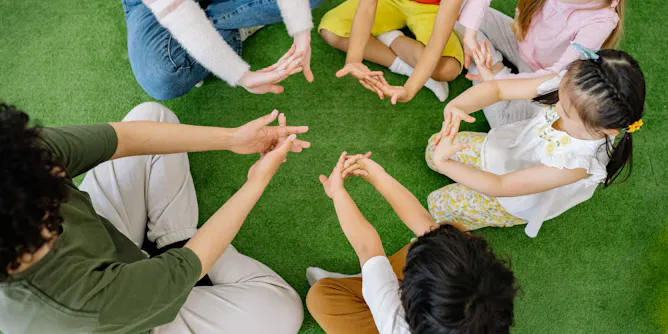
Creating structures and routines in the classroom means providing children with predictability about what is expected, when it is expected and how.
Articles on Children with disability
Displaying 1 - 20 of 80 articles

While investing more money could play a hand in improving Ontario’s special education, improvements should begin with a critical look at teacher training.
The budget papers included a significant announcement about funding for school students with disabilities.
Systemic barriers, mental-health issues and insufficient school supports for students with disabilities are among the factors that affect absenteeism rates.
Interviews with parents of students with disabilities show that children were often physically restrained and secluded at school for nonviolent offenses.
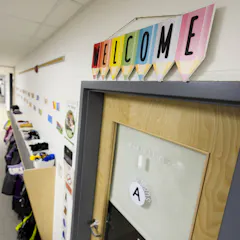
A valuable resource for teacher candidates and current teachers about Fetal Alcohol Spectrum Disorder is the Canada FASD Research Network.

The Manitoba Human Rights Commission released the first phase of their report exploring students’ rights to access evidence-based reading interventions in Manitoba’s public education system.

Inclusive education doesn’t just mean placing disabled children with their non-disabled peers, but re-organizing teaching and learning in the classroom.

Evidence-based de-escalation strategies, along with adequate staff support and trauma-informed training, can help schools reduce or eliminate the need to seclude students.
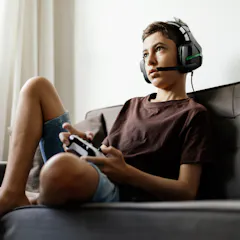
The digital world can be a vital space of empowerment and connection for children with special educational needs and disabilities.

The Inclusive Camp Hub offers free tools to help summer camps and programs include children with neurodevelopmental disabilities.
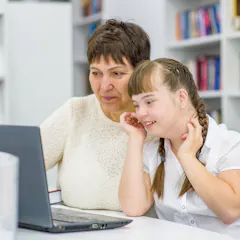
Across the UK and Ireland, there are far fewer places available in specialist schools and classes for the number of children identified with needs significant enough to warrant a place.
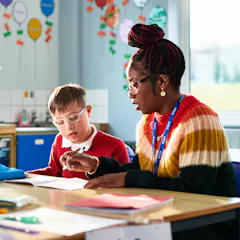
Burnout, behavioral issues and a lack of support are 3 reasons why special education teachers are leaving the profession.

Being bullied because of some aspect of who a person is — known as identity-based or bias-based bullying — is extremely harmful to kids’ sense of belonging at school.
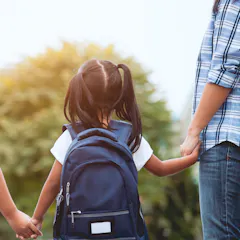
Both parents and school communities can play important roles helping autistic children to thrive.

Given the physical, social and economic prioritization of physical activity in our society, why are young children with disabilities missed from physical activity monitoring and reporting?
The government must call together a task force of educators, families and researchers to work toward better solutions for inclusive education as education for all.
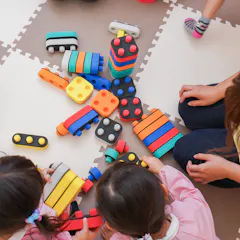
A study pertaining to more than 1.4 million kindergarteners across Canada finds the occurrence of health disorders higher as the socio-economic status of a neighbourhood decreases.
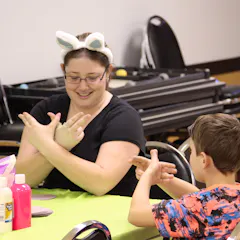
Truly fostering accessible educational opportunities for deaf students can only happen with ongoing political and financial support.
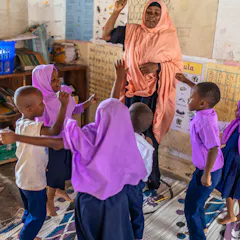
Professional learning communities are a space for teachers to discuss their teaching methods and their immediate realities.
Top contributors
-

Senior Lecturer of Wellbeing Science, The University of Melbourne
-
Professor and Director of the Centre for Inclusive Education, Queensland University of Technology
-
Senior Lecturer in Special and Inclusive Education, RMIT University
-
Professor, Public Service Research, UNSW
-
Associate Professor, Tarleton State University
-
Professor, Education, Mount Saint Vincent University
-
Professor of Inclusive Education, L’Université d’Ottawa/University of Ottawa
-
Post-Doctoral Research Fellow, SARChI in Higher Education and Human Development Research Group, University of the Free State
-
Sessional Lecturer, Faculty of Education, University of Manitoba
-
Lecturer in Education, University of Newcastle
-
Senior Research Fellow, Crawford School of Public Policy, Australian National University
-
Professor of Inclusion and Educational Psychology, Adelaide University
-
Professor of French and Critical Disability Studies, Lancaster University
-
Associate Dean for Research, Boston University
-
Researcher in Inclusive Education, Monash University