

For vacation time to be truly restful, the onus is on both employers and employees.
Articles on Digital detox
Displaying 1 - 20 of 22 articles

Taking regular breaks from technology seems like a good idea. A digital wellbeing expert explains if that’s backed by science.

This commercialised form of abstinence rarely extinguishes digital cravings – instead merely acting as a temporary pause.
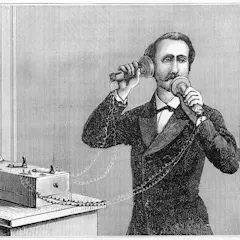
Social media bans suggest a resurgence of conservative values in our digital lives. But at what cost to young people’s autonomy, creativity and expression?
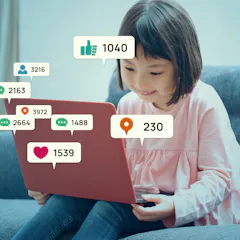
There is global interest in limiting social media access for young people. But the arguments for a ban for people under 16 don’t really stack up.
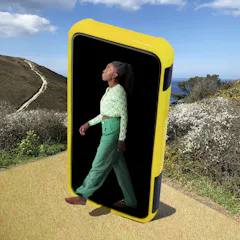
Disconnecting from the digital realm from time to time is good for your well-being, but doing so can be difficult. There are steps you can take, however, to get in the habit of putting your phone down.

Despite being a central concept in the digital age, mental workload remains difficult to define and study in real-life situations.

Our study found abstaining from social media led to a reduction in positive emotions.

Gen Z’s interest in flip phones is the latest in a series of obsessions young people have for the aesthetic of the 1990s and 2000s.
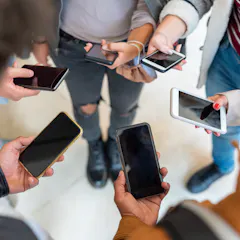
Screen addiction is already a household term, but is there any scientific basis for this phenomenon? We take a look at the methods used to measure it and its actual hold on the population.

Feeling stressed with social media and tech? Here are some tips on how to take a break from it.

Internet sabbaths and surveillance capitalism in the COVID-era: William Powers on what’s changed since Hamlet’s Blackberry
The Conversation57.8 MB (download)
Journalist and author William Powers talks with Media Files about taking an internet sabbath, how the media covers tech and what's changed since his book Hamlet’s Blackberry was first published.

As the head of a media and communications program, my life’s digital-analogue balance was off. Four weeks at sea with no devices refocussed my views – even on things that had been there all along.

Technology-free holidays can feel unbearable at first but this soon gives way to a better experience.
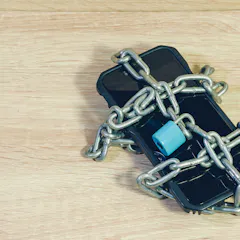
There’s a lack of scientific evidence supporting claims that digital detoxes actually have any benefit to us.

Our unproductive ‘zombie’ screen hours can creep up – but they don’t need to rule us. Here are four steps to help you use new tools to monitor and change your technology habits.

People are increasingly seeking out retro-style holidays, where connectivity is an afterthought.
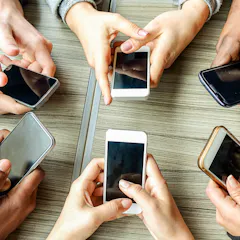
March 9-10 is a National Day of Unplugging, a 24-hour break from technology. Disconnecting from our devices is good for our health and our connections with loved ones and our communities.

Winnie the Pooh understood the importance of allowing your mind to wander – and the science agrees. It’s time we all found the time to daydream.

Despite the delight of not having to work for several days or even weeks, holidays come with pressures.
Top contributors
-

Senior Lecturer, Information Management, Te Herenga Waka — Victoria University of Wellington
-
Associate Professor in Tourism, University of Greenwich
-
Professor of Information Systems, University of East Anglia
-
Researcher, Digital Wellbeing, Western Sydney University
-
Senior Industry Fellow, RMIT University
-
Foundation Professor of Tourism, James Cook University
-
Professor of Organizational Behaviour, University of Guelph
-
Lecturer in Marketing and Consumption, Department of Marketing and Strategy, University of Leicester
-
Assistant Professor of Clinical Neurobiology, Columbia University
-
Professor, Behavioural Science, University of Bath
-
Associate Professor, Department of Psychology, Durham University
-
Professeur des Universités en Physiologie de l'Exercice / Neurosciences Intégratives, Directeur Unité Recherche EuroMov Digital Health in Motion, Université de Montpellier
-
Attaché de recherche, Pôle InterEtablissement d'addictologie CH Charles Perrens - CHU de Bordeaux et Laboratoire SANPSY UMR 6033 CNRS, Université de Bordeaux
-
Adjunct professor and adjunct senior lecturer in tourism management, Adelaide University
-
Assistant Professor of Analytics, University of Bath