
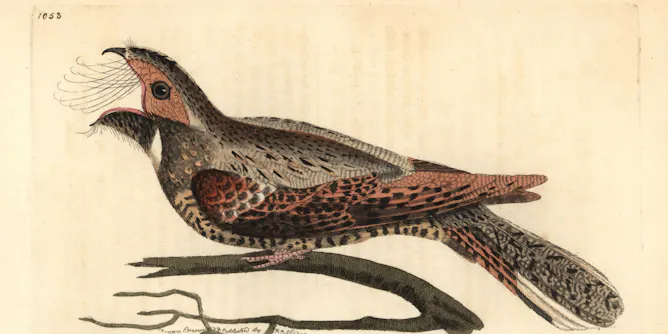
A new film adaptation of Stephen King’s ‘Salem’s Lot’ swaps in an owl for the book’s haunting whip-poor-wills, showing how species loss is also tied into cultural loss.
Articles on Death
Displaying 61 - 80 of 441 articles

The first wind phone appeared in Japan in 2010, and the concept has since spread around the world.
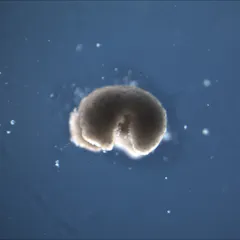
Given the right conditions, certain types of cells are able to self-assemble into new lifeforms after the organism they were once part of has died.

An accurate estimate of when someone died is a critical part of forensic investigations. In extremely cold conditions, molecular biology can provide critical information where the naked eye cannot.

There is no escaping the raw and catastrophic despair the loss of a child presses upon a parent. Two books about a young life lost tackle this grief.

Few people want to talk about the end of their lives but we all must do.

Finding fulfilment at the end of life is not that unusual.

Death admin is a task that no one wants, but knowing what to expect from the process can be helpful.
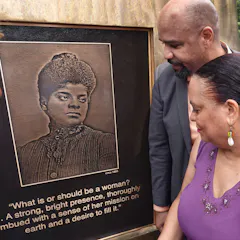
Historically, women have been less likely to be the subject of obituaries. Their obituaries tend to be shorter, with biased words and images.

There is growing interest in sustainable death care options like human composting as an alternative to energy-intensive cremation and chemical-dependent and land-intensive burial.
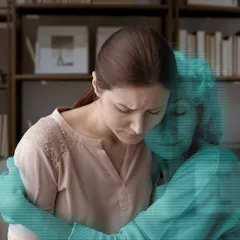
Ways to interact with virtual versions of our deceased loved ones are now a possibility – but there’s a raft of ethical and emotional challenges involved.
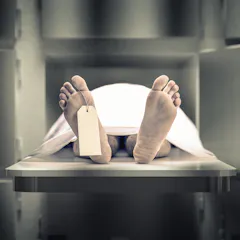
In 2022 the top five conditions involved in deaths in Australia were coronary heart disease, dementia, high blood pressure, cerebrovascular disease (such as a stroke) and diabetes.
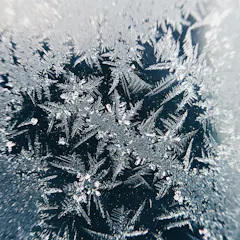
For the first time, a person has been cryopreserved in Australia, in the hope of being reanimated in the future. The process opens up a possible legal minefield, however.

The NT government has invited views on access to voluntary assisted dying. But whether it should include access for those with dementia is not so clear cut.
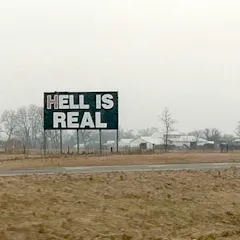
Spiritualists believed that after shedding the body in death, the spirit would continue on a celestial journey and help those on Earth create a more just world.
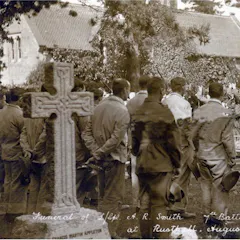
With so many people grieving, the notion of doing so in public was seen as tasteless and vulgar. Funerals became smaller, people put on a brave face in public and fewer people wore black.
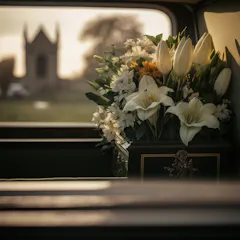
The public need to know that those who become the custodians of their dead are operating appropriately and ethically.

Detailed data on the ages at which people die can give good indications of a person’s remaining life span.
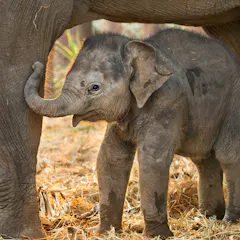
Recent reports of burials of elephant calves are intriguing but it’s impossible to confirm that this was intentional.

The study found people with ADHD who took medication had a lower risk of dying from unnatural causes than those with ADHD who were not taking medication.
Top contributors
-

Associate Professor of Philosophy, Deakin University
-
Distinguished Professor, Professor of End-of-Life Law and Regulation, Australian Centre for Health Law Research, Queensland University of Technology
-
Professor Emeritus of Death Studies, University of Bath
-
Professor, Social Work, University of Waterloo
-
Reader in Education with Psychology and Centre for Death and Society, University of Bath
-
Professor of Law, Australian Centre for Health Law Research, Queensland University of Technology
-
Professor of Law, Wake Forest University
-
Professor of Social Work, CQUniversity Australia
-
Associate Professor, Music Industry, RMIT University
-
Research Fellow, Coventry University
-
Professor of Property Law and Death Studies, Queen's University Belfast
-
Senior Lecturer, Criminology, University of York
-
Chen Su Lan Centennial Professor in Medical Ethics, National University of Singapore; Distinguished Visiting Professor in Law, University of Melbourne; Uehiro Chair in Practical Ethics, The University of Melbourne
-
Reader in Sociology, University of Bath
-
Reader of Health Psychology, Queen's University Belfast