
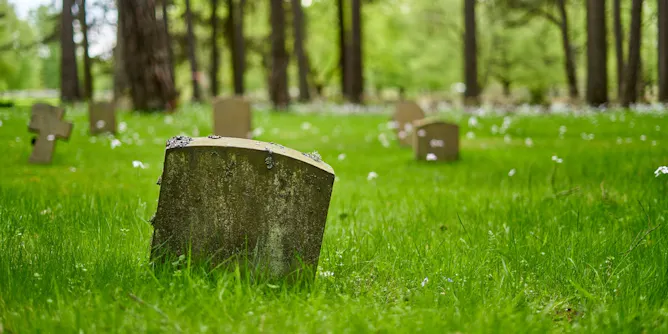
Burial grounds are filling up but are new methods any more green than traditional options?
Articles on Funerals
Displaying 1 - 20 of 59 articles

Whether you call it a living funeral or a ‘bon voyage party’, a growing number of Australians are choosing to celebrate their lives before they die.

A new study suggests that the decades-long march toward cremation may not last forever – particularly if Gen Z’s preferences pan out.
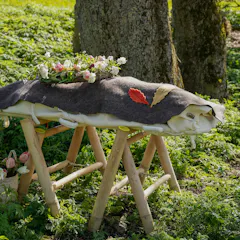
Burial and cremation come with some pretty major environmental problems. Both involve huge amounts of energy, resources and pollution.

Grief can inspire concrete acts of loyalty and generosity.
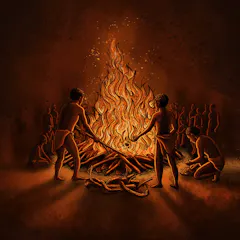
An ancient cremation would have been a community spectacle in a place returned to and reignited over many generations. What was behind this unexpected funeral ritual?
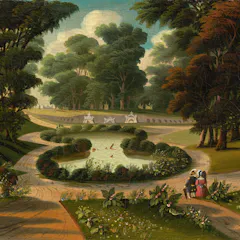
Many plants and flowers have symbolic meanings, and their presence on a grave may reflect something unique about the deceased.
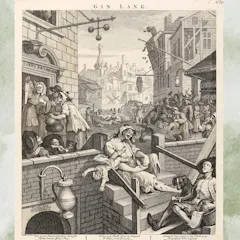
Gin Lane is an imagined thoroughfare where the consumption of gin has deprived the inhabitants of sense, finances – and in some instances life.
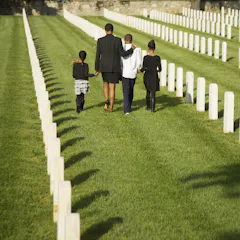
Planning ahead allows families to mourn, rather than scramble.

Leader of Vietnam’s Communist Party died on July 19, 2024. Among those who paid tribute was US Secretary of State Antony Blinken.

Few people want to talk about the end of their lives but we all must do.

There is growing interest in sustainable death care options like human composting as an alternative to energy-intensive cremation and chemical-dependent and land-intensive burial.
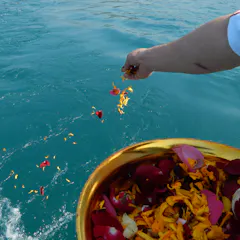
Next-of-kin often feel pressured to make hasty funeral arrangements. Most contact a funeral director and tee up a conventional service plus burial or cremation. But what are the other options?
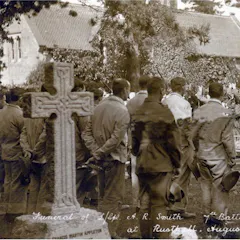
With so many people grieving, the notion of doing so in public was seen as tasteless and vulgar. Funerals became smaller, people put on a brave face in public and fewer people wore black.

Aso ebi - colourful fabrics worn at social events in NIgeria - makes parties glamorous but the cost can also be burdensome.

All of us face loss and the reality of our own mortality. Whether through in-person discussion or over social media, let’s build communities that support people navigating death and dying.

For some people, the decision over how to dispose of their body represents one last adventure – and one last consumer choice, a scholar explains.
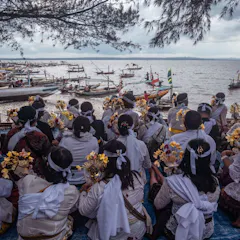
Across cultures, death rituals give mourners a chance to grieve. But they also offer one last opportunity to help the deceased as they transition to the next stage of existence.

Think about what story it is you want to tell about your loved one, how you want it to end and what you want your audience to take home.

Views on death and the afterlife vary from person to person and culture to culture. This course gives US Air Force cadets a broad perspective on mortality and its effects on people and society.
Top contributors
-

Honorary Professor of Accounting, University of Wollongong
-
Professor of Accounting, University of Sydney
-
Professor of Law, Wake Forest University
-
Assistant Professor in Philosophy and Religious Studies, Texas State University
-
Professor of Property Law and Death Studies, Queen's University Belfast
-
Professor Emeritus of Death Studies, University of Bath
-
Reader in Sociology, University of Bath
-
Associate Professor, Faculty of Dentistry, McGill University
-
Research Assistant in Archaeology, University of Hull
-
Professor, biological anthropologist and anatomist, UNSW
-
Professor, Social Work, University of Waterloo
-
Instructor (Grief Education Program), Therapist, Social Worker, Consultant, University of Toronto
-
Research Fellow, Coventry University
-
Professor, English and Folklore Studies, University of Oregon
-
Impact Research Fellow, University of Stirling