
There are plenty of barriers, but if we really want to we can feed the world on plant protein (largely from legumes).
Articles on Crops
Displaying 101 - 120 of 177 articles

Indoor plant factories have high energy costs since LEDs replace the sunlight outdoor plants get for free. Scientists found a way to dial back how much light is needed by breaking it into tiny bursts.
As climate change alters temperature and rainfall patterns, yields of some crops are increasing while others decline. The net result: less food, especially where it’s most needed.

We don’t notice the plant species we’re losing, but we won’t be able to ignore the effect of their loss on our supply of food and medicine.
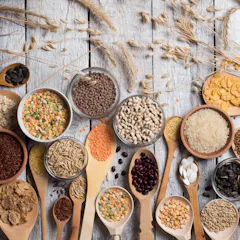
Combining and fermenting readily available indigenous African crops can help counter malnutrition on the continent.
Carbon in soil can help with tackling climate change. Maintaining soil quality by supporting farmers through economic incentives and technical approaches is important.
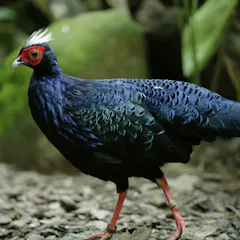
Biodiversity is in crisis. Nowhere is this more serious than among the wild species which our livestock and crops descend from.
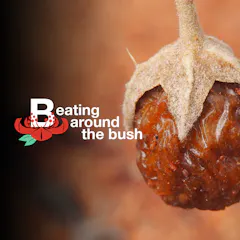
Tasting like a smoky sundried tomato, the desert raisin has been a staple for Australian desert communities for thousands of years.
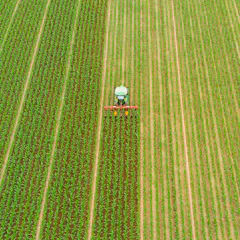
Governments need to think about global ways agricultural policies may affect the stability of the food system as a whole, beyond locally focused efforts to increase resilience in production.

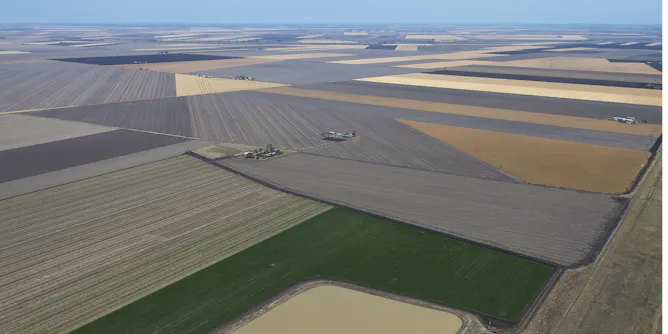
Australian wheat growers need to boost yields to stay competitive in the face of climate change. They could do this by sowing earlier, but need new varieties of wheat to help them do it.
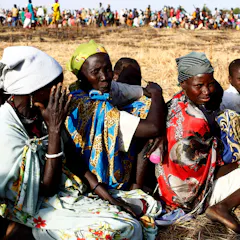
Predictions suggest that Africa will suffer dramatic losses of crops and productive land as the climate warms. Perhaps adopting GM crops designed to tolerate stress can save the continent from famine.
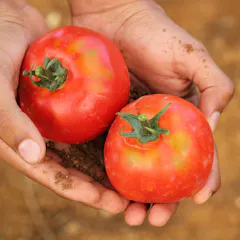
Gene editing of wild plants can help us tap into new sources of food. But we need to make sure it’s safe – and that demands some careful regulation.
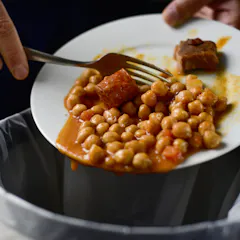
There is something deeply irrational about the food waste movement.

Pollination by commercially raised bees is important to a variety of crops but none more than California almonds. In turn, beekeepers depend on them.
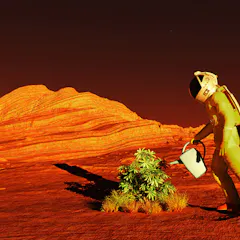
If humans are to live on Mars they will need a stable supply of food. Earth plants are not suited to the Mars climate but we can engineer plants that are.

Oomycete spores hack into plants to get what they need, causing agricultural disease. Can researchers figure out how to close plants’ security loopholes and create more resilient crops?
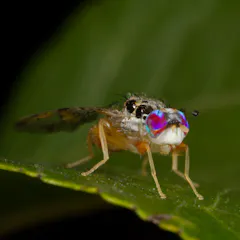
The Mediterranean fruit fly can evolve rapidly to different environmental conditions, this suggests it will be well suited to cope with climate change.
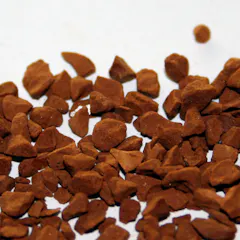
How you prepare your coffee at home (and wash up the mugs) can have a big impact on its carbon footprint. So fill that kettle carefully, and only brew what you know you’ll drink.
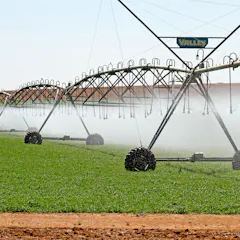
South Africa’s land reform debate must not lose sight of the real issue: how to provide enough food to feed its people.
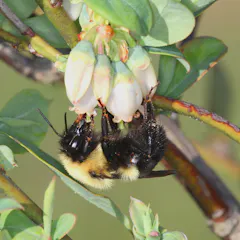
Honeybees receive a lot of attention, but the first North American bee to be listed as an endangered species is a wild bumble bee. Wild bees are vital pollinators, and some are declining rapidly.
Top contributors
-

Associate Professor, Department of Entomology; African-American Studies, University of Illinois Urbana-Champaign
-
Professor of Plant Sciences, University of Nottingham
-
CEO, Crops for the Future Research Centre and Professor of Global Food Security, University of Nottingham
-
Associate professor, food chemistry, University of Pretoria
-
Professor in Plant Biology, La Trobe University
-
Associate Professor in Wildlife Conservation, Edith Cowan University
-
Senior Fellow, Department of Agricultural Economics, Stellenbosch University
-
Ph.D. Student in the School of Plant and Environmental Science, Virginia Tech
-
Research scientist at Plant Breeding Institute, University of Sydney, University of Sydney
-
Special Professor of Phytopathology, Wageningen University
-
Senior Principal Research Scientist, Farming Systems, CSIRO
-
Professor of Sociology and Associate Dean for Research & Graduate Affairs, College of Liberal Arts, Colorado State University
-
Professor of Ecology, University of Cambridge
-
Professor of Agriculture and Food Sciences, The University of Queensland
-
CSIRO