
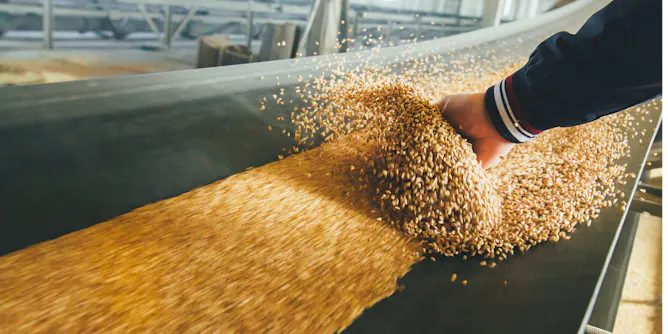
Wheat is an important global crop, but new research suggests that fungal toxins have contaminated half of all European wheat produced for food.
Articles on Crops
Displaying 61 - 80 of 177 articles
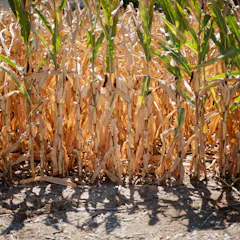
Flash droughts can develop within a few weeks, causing water shortages, damaging crops and worsening fire risks.
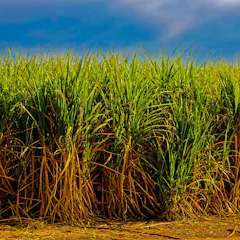
There are ‘jewels’ among the piles of ash that remain once sugarcane’s fibrous material is burned.
Technologies being developed for growing food in space have contributed to advances in agriculture and crops on Earth.
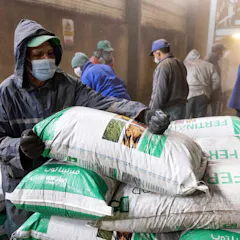
How well Morocco manages challenges to its fertiliser industry will affect its own development and the stability of food supplies across the world.
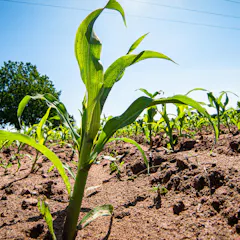
Rising carbon dioxide in the atmosphere may be a boon for maize crops in tropical growing regions like those found in much of Africa.
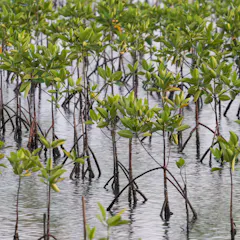
The African BioGenome Project is a pan-African project that seeks to sequence Africa’s endemic and indigenous plants and animals.
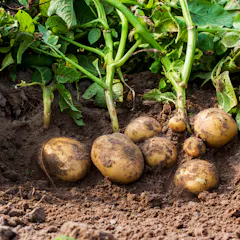
A regulatory approach will place an unnecessary burden on bio-innovators. This will discourage local investment for in-house R&D, as well as projects in the public sector.
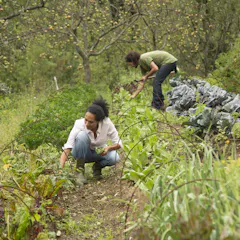
Permaculture – a mashup of ‘permanent’ and ‘culture’ – is a way of doing agriculture that’s inspired by the resilience and biodiversity of healthy natural ecosystems.
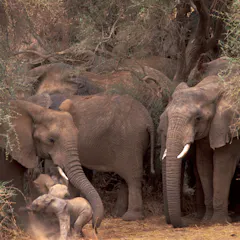
Elephants avoided areas where others were poached.
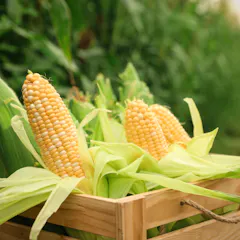
Zimbabwe’s 2021 bumper harvest is a welcome development but, it’s important to know what’s behind this success and what challenges remain.
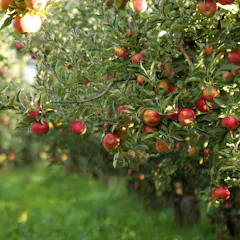
Apple breeders have created crisp, juicy and tasty fruits, but the limited varieties leave crops vulnerable to diseases, pests and climate change. Introducing new traits could improve crop resilience.
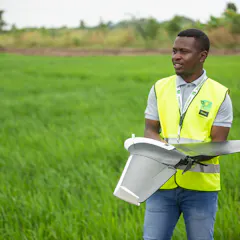
Realities on the ground tell a different story from the claim that a Green Revolution ensures food security and increased income for smallholder farmers in Ghana.
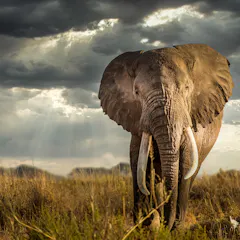
Crop raiding is happening more often in the Masai Mara, in different places and at different times of the year.
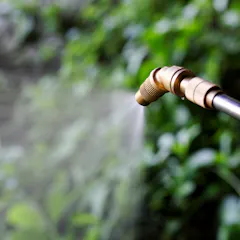
Paraquat’s potentially lethal effects on humans are well known. But our research has found it also causes serious environmental damage.
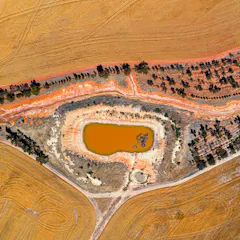
Our research found that in 700 years, the 20th century was the wheatbelt’s wettest. This means all our drought predictions are skewed.
CC BY-NC-ND5.76 MB (download)
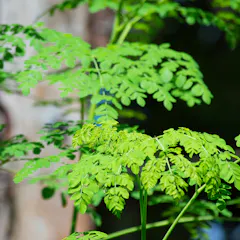
Moringa as a crop is on the rise in South Africa. But more must be done to make use of this versatile, climate resilient plant.
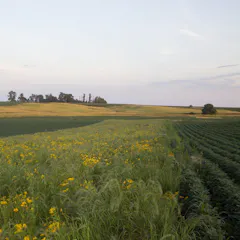
Farmers can help slow climate change by mixing native grasses into croplands, restoring wetlands and raising perennial crops. These strategies also conserve soil and water and build new markets.
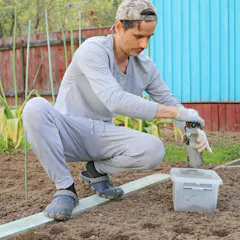
Seedkeeping can create a sense of home, reconnect communities with ancestral crops and preserve biodiversity and culturally significant crops for future generations.
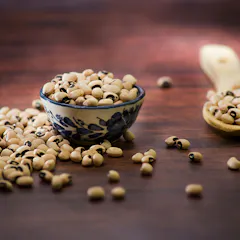
Indigenous foods such as cowpeas can improve people’s nutrition and help them cope with the hunger brought about by the effects of COVID-19 on foreign food imports.
Top contributors
-

Associate Professor, Department of Entomology; African-American Studies, University of Illinois Urbana-Champaign
-
Professor of Plant Sciences, University of Nottingham
-
CEO, Crops for the Future Research Centre and Professor of Global Food Security, University of Nottingham
-
Associate professor, food chemistry, University of Pretoria
-
Professor in Plant Biology, La Trobe University
-
Associate Professor in Wildlife Conservation, Edith Cowan University
-
Senior Fellow, Department of Agricultural Economics, Stellenbosch University
-
Ph.D. Student in the School of Plant and Environmental Science, Virginia Tech
-
Research scientist at Plant Breeding Institute, University of Sydney, University of Sydney
-
Special Professor of Phytopathology, Wageningen University
-
Senior Principal Research Scientist, Farming Systems, CSIRO
-
Professor of Sociology and Associate Dean for Research & Graduate Affairs, College of Liberal Arts, Colorado State University
-
Professor of Ecology, University of Cambridge
-
Professor of Agriculture and Food Sciences, The University of Queensland
-
CSIRO