
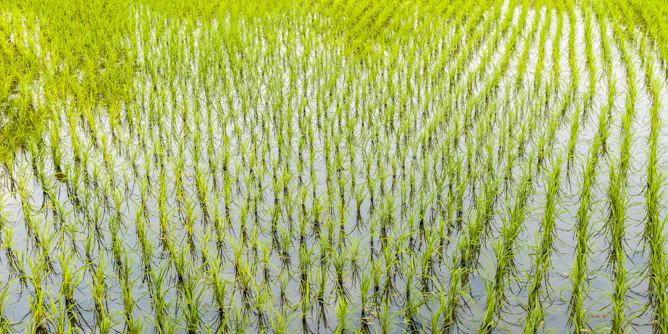
A soil expert explains why flooding rice fields in South Florida benefits the agriculture-rich region.
Articles on Crops
Displaying 41 - 60 of 177 articles
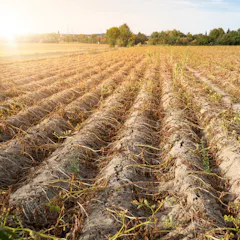
Humans and animals can hide from extreme heat. But plants have no escape. To protect our crops from the heat to come will likely mean modifying them.

The US Department of Agriculture has updated its plant hardiness zone map, which shows where various plants will grow across the country. Gardeners should take note.

Four types of nematodes occur in soil.
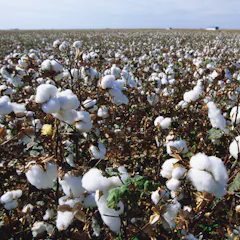
Cotton is one of the world’s largest crops and is harvested with large, heavy machines. Robotic harvesting could yield higher-quality cotton with less damage to plants and soil.
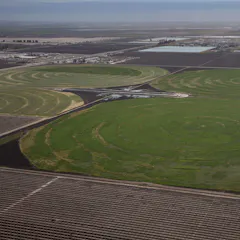
Rapid and accelerating groundwater level declines are widespread in dry climates where groundwater is used for irrigation. But some communities have found ways to turn things around.
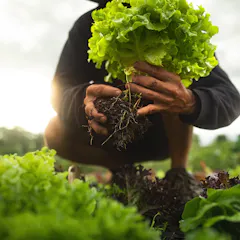
Scientists are still trying to puzzle out strange oscillations in plant root genes,

Plants aren’t always as good at photosynthesis as you might think. Our research project wants to help them.

Feral hogs are one of the most destructive invasive species in North America, harming land, crops and wildlife.

Our study shows the UK must prepare for, and respond to, the risks associated with future food shortages.
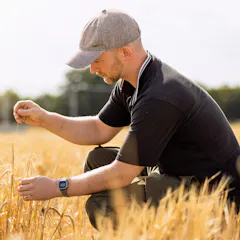
Farming has made crop plants reliant on synthetic fertilisers, but we can reactivate their ability to engage with beneficial microorganisms and make them more independent.
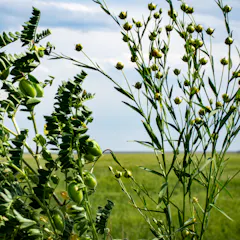
Conventional agriculture offers farmers few choices about which crops to grow or how to raise them. A new approach uses computing to construct better strategies with lower environmental impacts.
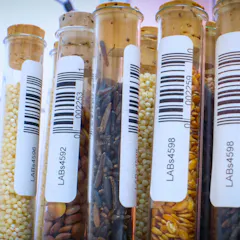
The research conducted through biobanks can help to address challenges like climate change and food security.

A 90% crop loss in the Peach State may sound like a disaster, but Georgia isn’t actually the Big Apple of peach production that it claims to be.
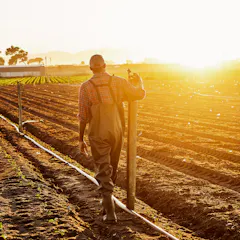
South Africa’s agriculture could do even better but is held back by power cuts and poor infrastructure

Scientists are learning amazing things about bees’ sensory perception and mental capabilities.
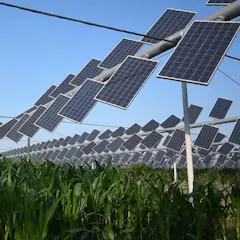
Canada can meet its carbon emission reduction targets, make food cheap again and open up a gigantic trade surplus with the U.S. by shading farm crops with solar panels.

Spiders liquefy their prey in order to consume it, and this makes it challenging to determine what spiders eat. A new approach that uses DNA barcoding is helping researchers figure out spider diets.
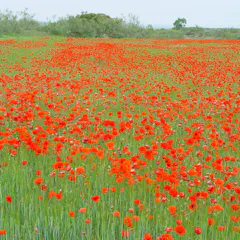
Although they can cause severe crop losses, some species and their seeds also contribute to the provision of ecosystem services.
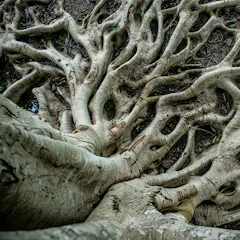
A team of scientists unravelled the mystery of how plant roots make the most of soil moisture.
Top contributors
-

Associate Professor, Department of Entomology; African-American Studies, University of Illinois Urbana-Champaign
-
Professor of Plant Sciences, University of Nottingham
-
CEO, Crops for the Future Research Centre and Professor of Global Food Security, University of Nottingham
-
Associate professor, food chemistry, University of Pretoria
-
Professor in Plant Biology, La Trobe University
-
Associate Professor in Wildlife Conservation, Edith Cowan University
-
Senior Fellow, Department of Agricultural Economics, Stellenbosch University
-
Ph.D. Student in the School of Plant and Environmental Science, Virginia Tech
-
Research scientist at Plant Breeding Institute, University of Sydney, University of Sydney
-
Special Professor of Phytopathology, Wageningen University
-
Senior Principal Research Scientist, Farming Systems, CSIRO
-
Professor of Sociology and Associate Dean for Research & Graduate Affairs, College of Liberal Arts, Colorado State University
-
Professor of Ecology, University of Cambridge
-
Professor of Agriculture and Food Sciences, The University of Queensland
-
CSIRO