
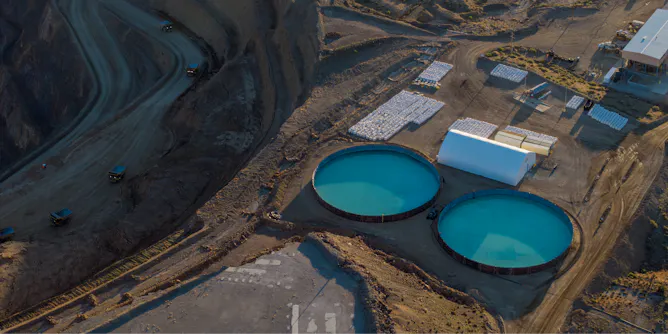
Today, China controls the vast majority of rare earths processing. That gives it enormous political leverage, and its trade truce with the US involving those minerals expires Nov. 10, 2026.
Articles on Critical minerals
Displaying 1 - 20 of 98 articles

A seismic shift in American geopolitics explains the breakdown in U.S.-Canada trade relations. Understanding U.S. policy is critical as Canada faces stark choices.
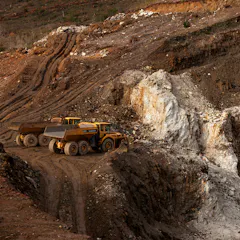
Armed groups in the Sahel are finding new ways to profit from the rapidly expanding lithium trade.
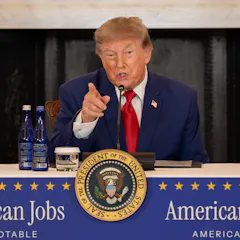
With a half-billion-dollar loan, the US hopes to cut its reliance on Chinese supplies of scandium, a crucial mineral for aerospace. But China still has leverage.
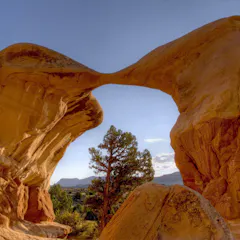
Native religions are tied to living landscapes, not points on a map. A scholar of Indigenous studies explains why reducing the protected area has profound religious and cultural consequences.
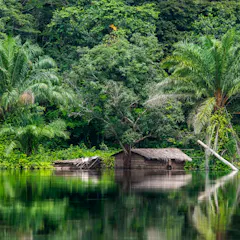
The minerals needed for clean energy are driving widespread forest loss across Africa, much of it far beyond the mine itself and largely preventable.
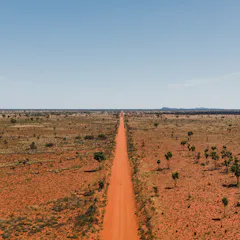
Australia has to ensure it can build and run these expensive projects without Chinese investors’ participation.

Security measures alone are insufficient to resolve resource governance challenges in the DRC.
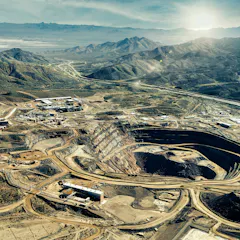
America was once the global leader in rare earth element production, but as processing moved to China, the US lost capacity and expertise. It can get them back.
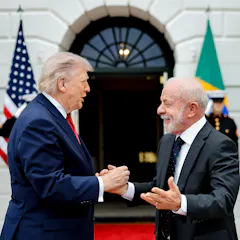
Bilateral meeting between both presidents sent a clear signal to Lula’s domestic audience: the relationship with Washington is not broken, and it does not require a Bolsonaro to fix it.
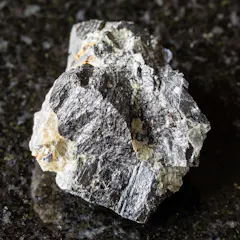
The element is used in everything from missiles to armoured vehicles.
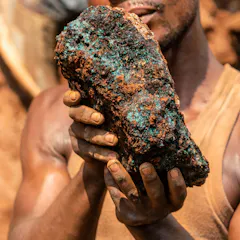
The rapid expansion of critical mineral extraction is trading away human and ecological well-being for technological breakthroughs. There are ways to fix this.
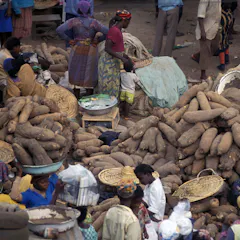
Communities affected by mining project delays live in a state of suspended time for three years.
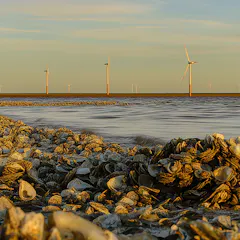
Under the right conditions, 1g of oyster shells can capture and lock away up to around 1.5g of the rare earth elements present dissolved in the surrounding water.

While automobile manufacturing and steel steal the headlines, the critical minerals and energy sector is now coming centre stage in the CUSMA review.
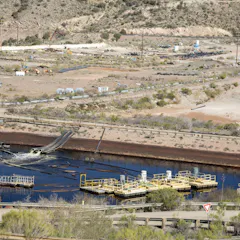
There’s lots of copper in the ground, but demand is already outstripping usable supply – and the shortfall is likely to get worse.
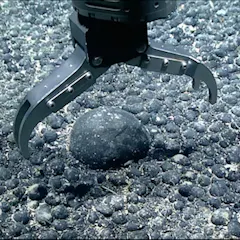
There’s a growing interest in mining the ocean seabed for minerals essential to technology. But whose minerals are they? A Law of the Sea scholar explains.
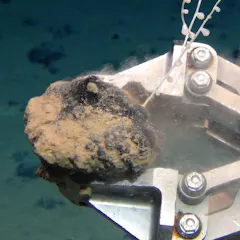
Critical minerals are found in several forms in the ocean, from potato-size nodules to brine pools. They are also in some of the least understood parts of our planet.
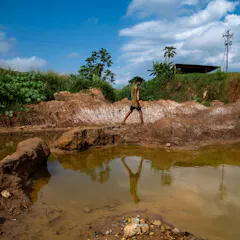
The Orinoco Basin is one of the most biodiverse places on the planet. It’s also rich in oil, gold and critical minerals crucial to modern technology.
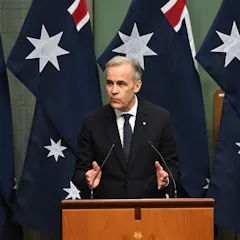
Addressing the federal parliament, Carney once again pressed his now familiar argument for middle power activism as the old world order disintegrated.
Top contributors
-

Professorial Fellow, University of Canberra
-
Associate Professor, Technology and Innovation, University of Technology Sydney
-
Lecturer in Sustainability and Fellow of Indo Pacific Research Centre, Murdoch University
-
Professor, Co-Founder, Critical Minerals Consortium, and Australia-India Critical Minerals Research Hub, Monash University
-
Assistant Clinical Professor of Critical Resources & Sustainability Analytics, University of Maryland
-
Lecturer in Human Geography, Liverpool John Moores University
-
Postdoctoral Researcher, Università di Torino
-
Professor of Geography, School of People, Environment and Planning, Te Kunenga ki Pūrehuroa – Massey University
-
Professor of Global Governance, University of Sydney
-
Senior Research Engineer in Electric Vehicle Batteries and Battery Storage, Edith Cowan University
-
Professor of Applied Geology, University of Auckland, Waipapa Taumata Rau
-
Professor of Natural Resource Economics, West Virginia University
-
Assistant Professor of Law, Faculty of Law, University of Calgary
-
Lecturer (Political Economy), University of Cape Town
-
Research Fellow (Geoenvironmental Engineering) | Adjunct Lecturer (Civil Engineering), The University of Queensland