
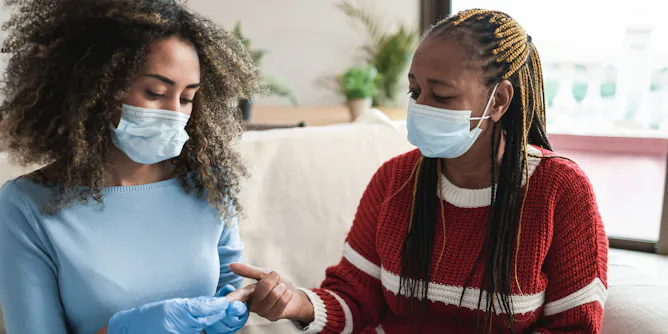
A number of recent studies indicate people who have had COVID are more likely to be diagnosed with diabetes.
Articles on Coronavirus
Displaying 141 - 160 of 5498 articles
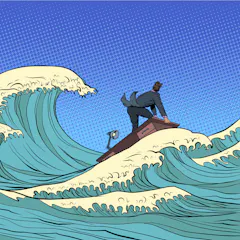
We are living in an age of accelerating crises. Businesses need to respond to current crises, be better prepared for future crises, and address their contribution to these crises in the first place.

While policy organizations publicly claim that they want input from racialized and other marginalized communities, many fail to listen to, accept or integrate what those communities have to say.
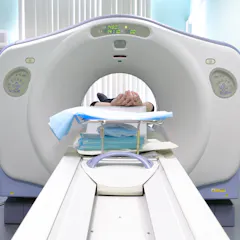
In future health emergencies and possibly further waves of the COVID-19 pandemic, caution needs to be taken when extending cancer waiting times for reasons unrelated to patients’ health-care needs.

The “freedom convoy” was a culmination of years of persistent mobilization by far-right networks whose growth intensified as they digitally tapped into COVID-19 related grievances.
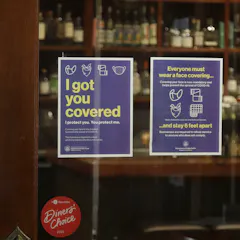
The constantly changing COVID-19 rules can be frustrating. But this pandemic is like no other public health crisis in history. It is better to think of the virus and US responses the way we think about hurricanes.

Severe COVID disease is rare in children, but high case numbers are seeing more kids being affected.
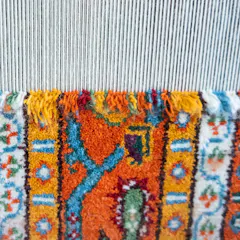
The metaphor of a collective “carpet of immunity” invites us to imagine immunity as a collaborative project, spreading out to protect those for whom the end of mandates means increased vulnerability.
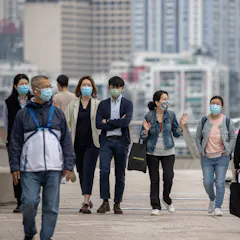
Countries that previously fared best at controlling COVID are now finding it tougher to keep cases and deaths down.

A third of people say they’re lonelier and sleeping less well. Many feel life will never return to normal.
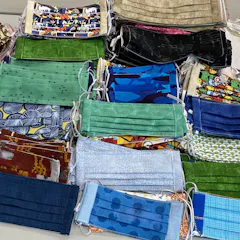
We tested well-fitting cloth masks made from 16 kinds of cotton, on human participants, to see how many provided filtration comparable with a certified medical mask. Most of them did.
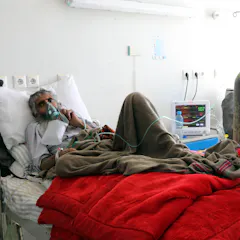
Afghanistan is ill equipped to contain the coronavirus, with healthcare capacity falling since the Taliban came to power.
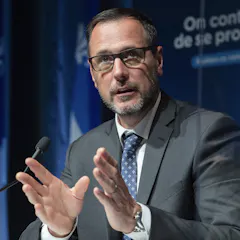
Given the harmful consequences of trust erosion, leaders must consider how they can maintain trust. The two trust dimensions, knowledge and emotions, can provide a helpful guide.

Rather than tolerating divisiveness and intolerance, we can and we should embrace this important moment to create a more participatory form of democracy.
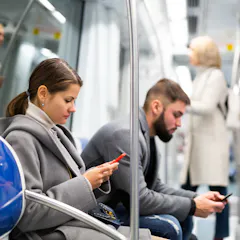
People used social media to connect with others, but after the pandemic, social media is increasingly fractured. Users adopt closed media spaces where they feel safe to express personal values.

The virus is still a threat – so be kind to yourself and others if you catch it.
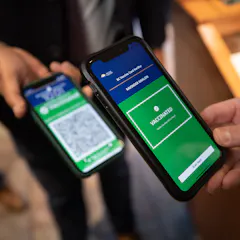
Vaccine passports became one of the most divisive issues of the COVID-19 pandemic. These policies were affected not only by public opinion but by new variants and changing goals for herd immunity.

Research shows that lockdowns helped control cases in general – but that not all control measures had the same effect.
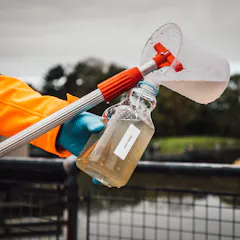
An unexpected legacy of COVID could be a new system for monitoring public health.
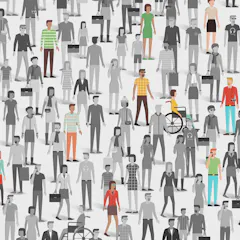
The mental health impact of the pandemic has not affected everyone equally. An equitable approach to mental health promotion, prevention and treatment can help ensure equitable access to services.
Top contributors
-

Professorial Fellow, University of Canberra
-
Associate Professor, Epidemiology, Deakin University
-
Professor of Global Biosecurity, NHMRC L3 Research Fellow, Head, Biosecurity Program, Kirby Institute, UNSW
-
Chair in Epidemiology, Deakin University
-
Senior Research Fellow in Global Health, University of Southampton
-
Professor of Biostatistics and Epidemiology, Adelaide University
-
Professor of Research Ethics, University of Portsmouth
-
Professor of Public Health, University of Sheffield
-
Honorary Enterprise Professor, School of Population and Global Health, and Department of General Practice and Primary Care, The University of Melbourne
-
Professor of Medicine, University of East Anglia
-
Professor, Director of Research, Nursing and Midwifery, Monash University
-
Visiting Fellow, Crawford School of Public Policy, Australian National University
-
Consultant Neonatologist and Professor of Ethics, University of Oxford
-
Professor of Mathematical Biology and Public Engagement, University of Bath
-
Professor of Medicine, University of Virginia