
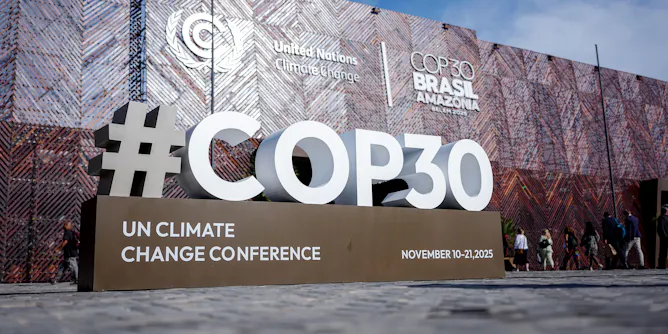
What to look out for at Cop30.
Articles on Cop30
Displaying 61 - 80 of 94 articles
Nearly 30 per cent of the world’s population lives in coastal areas. A changing climate and biodiversity loss represent an unprecedented threat to these ecosystems.

Brazil’s Amazon COP30 climate summit will test if a resource-based nation can lead on climate action. It’s a dilemma Australia also faces.
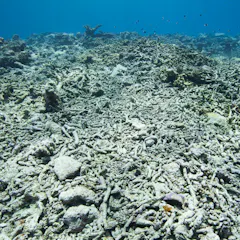
Dangerous climate tipping points will threaten food, water and coastlines. They’re irreversible and only radically accelerated climate action can stop them now.
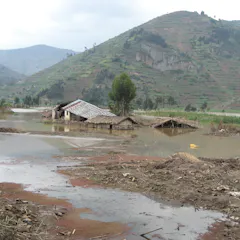
Africa is heavily dependent on agriculture. At this year’s COP30 conference, the continent needs to secure more funding to adapt land to climate disasters.
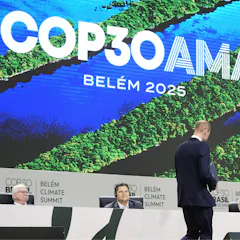
Many say UN climate summits are pointless. They’re wrong.
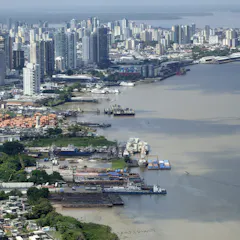
As climate change worsens, some states are backsliding on climate action. Next week, negotiators will gather in Brazil to try to restore flagging energy.
Australia will go to the COP30 climate talks with better emissions targets and a desire to boost flagging action.
The window of opportunity to limit global warming to 1.5°C is closing. Here’s how countries can be held to account with climate targets.

Gates recently called for a ‘strategic pivot’ in climate strategy. That appears to have hit a nerve.
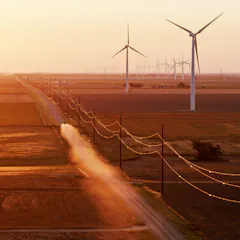
A fast drop in coal use played a big role, but there was more, as these charts show.
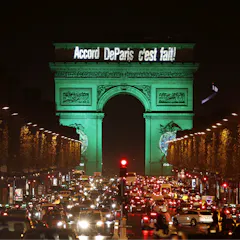
Cooperation isn’t enough anymore.

The choices made in Brazil, where the COP30 UN climate conference takes place this month, have consequences for the entire planet.

Experts explain the tension between stability and politicisation in climate governance.
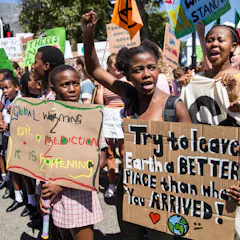
Young people are climate change activists, but largely excluded from global meetings, and aren’t taken seriously when they do get there.

The Brazilian Cop30 presidency has a critical role to play as mediator and bridge builder to increase the collective ambition of governments.
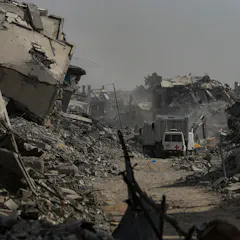
International law is starting to reflect a growing global consensus on the need to recognise the climate effects of armed conflicts.
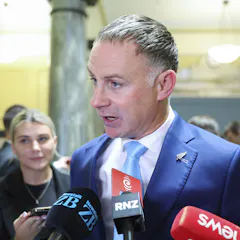
New Zealand justifies its weakened climate policies as necessary to boost the economy, but it may come at a cost to international trade.
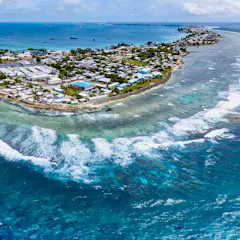
A review of countries’ new climate pledges shows who is leading efforts to protect the climate their economies were built on and who is sliding.
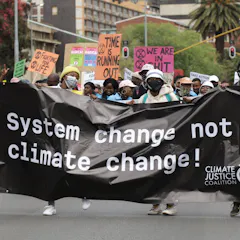
Recycling and cutting personal waste isn’t enough. Polluters must be regulated, and reparations paid by companies that have harmed the environment.
Top contributors
-

Professor of Environmental Studies, Political Science and International Relations, USC Dornsife College of Letters, Arts and Sciences
-
Research Associate, Institute for Climate Risk and Response, UNSW
-
Professor of Infrastructure Engineering and International Development, UCL
-
Research and Innovation Development Manager for the Priestley Centre for Climate Futures, University of Leeds
-
Lecturer in International Development, UCL
-
Professor, Geography Department and School of Public Policy & Global Affairs, University of British Columbia
-
Principal Research Fellow, ODI Global
-
Professor of Global Governance & Human Security, UMass Boston
-
Professor of Physical Climate Change; Director of the Priestley Centre for Climate Futures, University of Leeds
-
Professor of Law, The University of Melbourne
-
Professor of Earth System Science, UCL
-
Associate Professor, Università di Foggia
-
Senior Researcher, Polar Geophysics, National Institute of Oceanography and Applied Geophysics (OGS)
-
Prof. Dr. | Research Director, Institute for Sustainable Futures, University of Technology Sydney
-
PhD Candidate, Melbourne Law School, and Research fellow, Melbourne Climate Futures, The University of Melbourne