

Cop30’s flagship Tropical Forests Forever announcement puts investors before rainforests.
Articles on Cop30
Displaying 21 - 40 of 94 articles

Cimate scientists are more certain than ever that humans are changing the climate – but there are signs of hope on the horizon.

This needs to be the Cop of implementation. We already have enough paperwork and knowledge, now it’s time to put those insights into practice and make change happen.

The momentum of COP30 and the first global agreement for marine areas beyond national jurisdiction creates a unique opportunity to further integrate the ocean, particularly the deep sea, into the climate agenda.

After a three-year push to host the 2026 climate talks with the Pacific, Australia has backed down. The news is disappointing – but there’s a small silver lining.
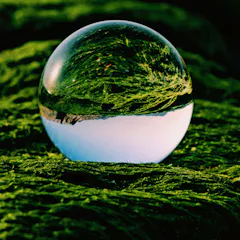
The project collects troves of data from the best climate models around the world – and the newest update to it is now underway.
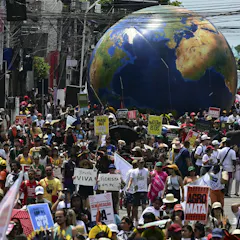
More fossil fuel lobbyists are coming to global climate talks to try to get favourable outcomes. Now their role is in the spotlight.
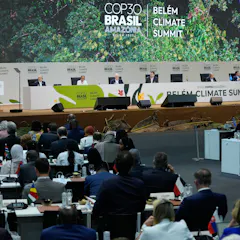
COP30 is the first conference where AI has been formally integrated as a central theme in the conference agenda.

Wealthy countries promised billions of dollars to help developing nations adapt to climate change, but the result rests on a shaky foundation of fuzzy accounting.
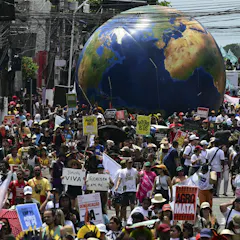
African countries need funding, skilled staff, and technology to make adaptation happen.
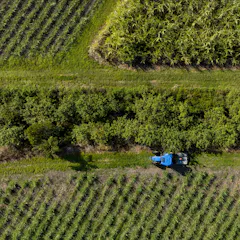
Producing food has a climate cost. But it doesn’t have to. Farmers can cut emissions, boost nutrients and restore nature – while making their farms more resilient
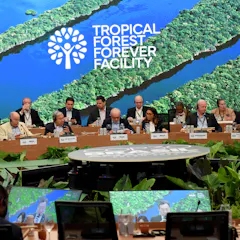
The climate crisis we face is the clearest sign that humanity is undergoing yet another major historical transition. The real challenge is to rethink the ways we produce, consume and live — and, above all, to redefine what we mean by progress.
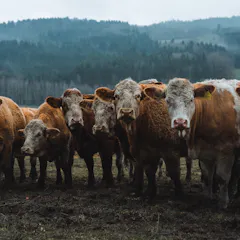
Removing so-called ‘short-lived climate pollutants’ from the atmosphere could reduce global warming – fast.
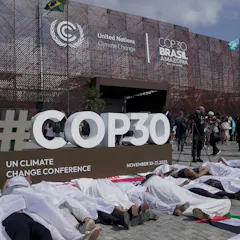
Mozambique, one of Africa’s climate hotspots, faces droughts, floods and cyclones but lacks data, skilled experts and finance to adapt.
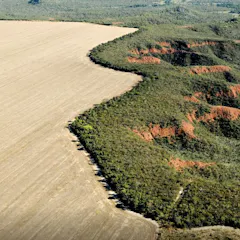
Between rhetoric and practice, the country faces contradictions that today fuel hunger, accelerate deforestation and undermine our climate future.
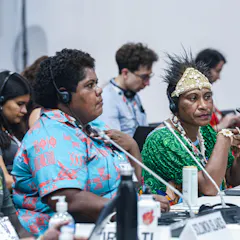
An insider explains the Alliance of Small Island States and what’s made it so effective.
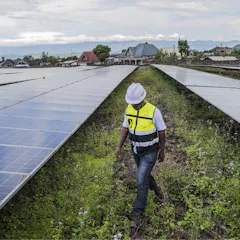
Politics is just one challenge. The cost of borrowing to build wind and solar farms is another, especially in fast-growing developing countries. There are solutions.
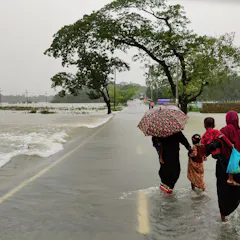
Polling reveals changing attitudes to the threat of climate change around the world.
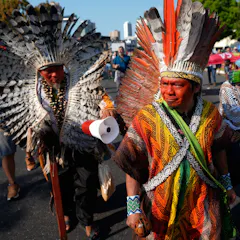
The UN climate conference in the Brazilian Amazon marks an unprecedented effort to elevate Indigenous concerns in negotiating rooms and on the streets.
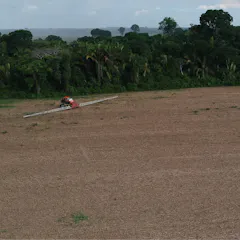
A study argues that the use of glyphosate produces a slow form of chemical violence that suffocates people, ecosystems and ways of life. This violence forces riverside communities to leave and makes way for soya to advance.
Top contributors
-

Professor of Environmental Studies, Political Science and International Relations, USC Dornsife College of Letters, Arts and Sciences
-
Research Associate, Institute for Climate Risk and Response, UNSW
-
Professor of Infrastructure Engineering and International Development, UCL
-
Research and Innovation Development Manager for the Priestley Centre for Climate Futures, University of Leeds
-
Lecturer in International Development, UCL
-
Professor, Geography Department and School of Public Policy & Global Affairs, University of British Columbia
-
Principal Research Fellow, ODI Global
-
Professor of Global Governance & Human Security, UMass Boston
-
Professor of Physical Climate Change; Director of the Priestley Centre for Climate Futures, University of Leeds
-
Professor of Law, The University of Melbourne
-
Professor of Earth System Science, UCL
-
Associate Professor, Università di Foggia
-
Senior Researcher, Polar Geophysics, National Institute of Oceanography and Applied Geophysics (OGS)
-
Prof. Dr. | Research Director, Institute for Sustainable Futures, University of Technology Sydney
-
PhD Candidate, Melbourne Law School, and Research fellow, Melbourne Climate Futures, The University of Melbourne