
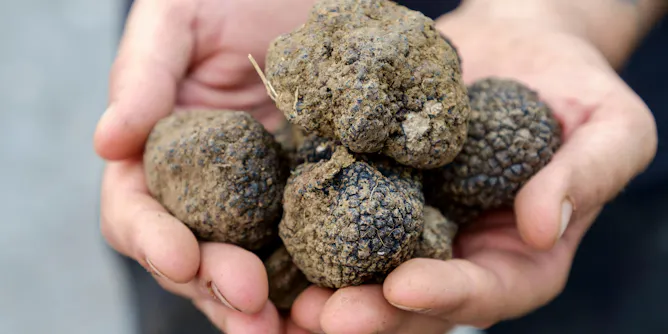
Truffles are one of the world’s most expensive foods and climate crisis is changing the way they grow.
Articles on Cooking
Displaying 41 - 60 of 146 articles

Teenage chef Debbie commenced her decade-long tenure at the Australian Women’s Weekly in July 1954 – and her recipes could help with your ‘matrimony prospects’.
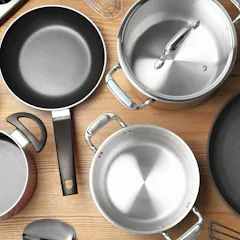
The steady stream of stories in the media about unsafe cookware might make you wary. But your pots and pans are almost certainly safe.
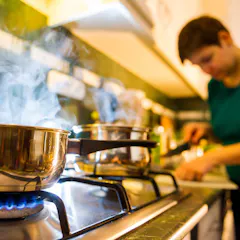
Fry less, open doors and windows and switch to an electric stove if possible.
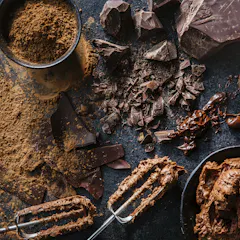
There’s a lot of interesting science behind the fermenting, roasting, grinding and melting that turns chocolate into the bars, bonbons and baked goods you know and love.
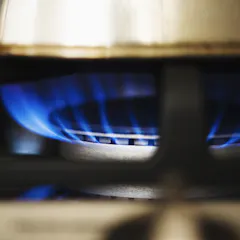
Energy companies have marketed natural gas as cooks’ favorite for years because homes with gas hookups will also use it for space and water heating.
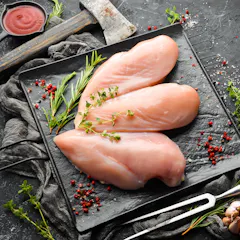
Washing raw chicken can splash bacteria around the kitchen. It’s best just to properly cook the chicken without washing it. So why do people still wash? Time to bust some chicken-washing myths.

Why should you not beat your eggs in a plastic bowl? Can you save an over-beaten meringue? And is there a specific sugar you should use?

Multicultural Jewish families and Jews of color are innovating food-centered holidays to bring their whole selves to the table.
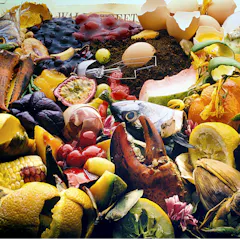
Reducing food waste at home is an action that anyone can take to help slow climate change, often saving money in the process. More consumer education could help show people what to do.
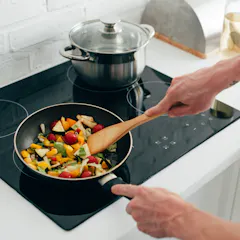
From curbside pick-up to online delivery, COVID-19 has had a significant impact on how we consume food. But will those impacts be permanent?

People tend to waste more of their meals when buying the ingredients from shops, our survey showed.

Bourdain’s brother, Christopher, has called for the publisher, Simon & Schuster, to halt publication until the book’s ‘many errors were corrected.’
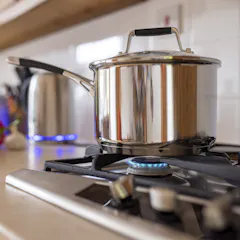
Natural gas has been marketed for decades as a clean fuel, but a growing body of research shows that gas stoves can contribute significantly to indoor air pollution, as well as climate change.
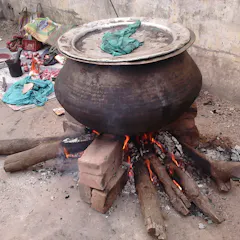
In urbanising communities in sub-Saharan Africa, women cooking primarily with charcoal and wood had approximately 50% higher odds of likely depression than those cooking with gas.
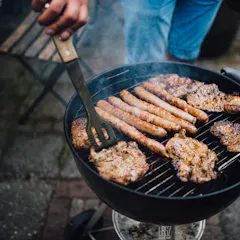
Barbecued food has unique and often delicious flavors. A food chemist explains how the process of grilling over an open flame can produce flavors unattainable through other cooking methods.

Cooking with wood and charcoal can raise indoor air pollution to dangerous levels.

From the Easter Show to the ‘busy lady’ competition in the Australian Women’s Weekly, we’ve been competitive cookers for over 100 years.

Many people want to know about practical suggestions to help slow climate change. Effective action starts at home.

Cooking whole animal heads – their eyes staring back at me (accusingly? beseechingly?) as the pot bubbled away on the stove – was quite disarming.
Top contributors
-

Professor of Community Health and Wellbeing, The University of Queensland
-
Accredited Practising Dietitian and Lecturer, Southern Cross University
-
Associate Professor in Chemistry and Associate Head Learning and Teaching, University of Tasmania
-
Honorary Associate Professor, University of Leicester
-
Associate Professor of Chemistry, University of Richmond
-
Postdoctoral Research Associate in Environmental Public Health, Harvard University; University of Liverpool
-
Associate Lecturer in History, University of Wollongong
-
Program Director of Nutrition and Food Sciences, Accredited Practising Dietitian, Adelaide University
-
Assistant Professor of Sociology, University of Hawaii at Hilo
-
Lecturer in Nutritional Sciences, King's College London
-
Professor of Systems Science and Director, Clinical Science and Engineering Research Laboratory, Binghamton University, State University of New York
-
Associate Professor of Hospitality Management, Colorado State University
-
Professor of History, University of Warwick
-
Professor (Food Science & Human Nutrition), Singapore Institute of Technology
-
Laureate Professor in Nutrition and Dietetics, University of Newcastle