
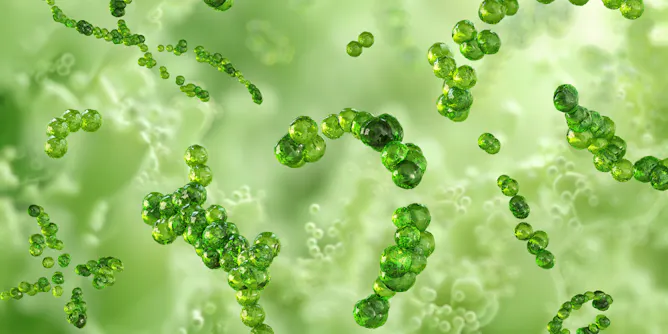
Strep A usually causes a relatively mild infection or no symptoms at all. But in rare cases, it can cause severe illness.
Articles on Consumer health
Displaying 321 - 340 of 364 articles
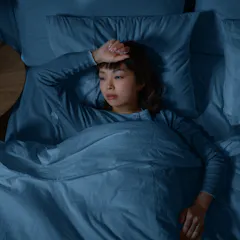
Wool, cotton, polyester? Here’s what we found when it comes to choosing the right textiles for sleep.
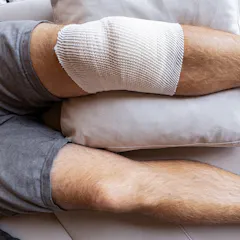
Here are some steps you can take to use opioids more safely and effectively at home.

Your biology really is telling you to poo in the morning. And yes, your coffee is partly to blame.

At least one in six people who stop taking antidepressants experience withdrawal symptoms. Here’s why – and how you can work with your doctor to taper your dose and safely stop.
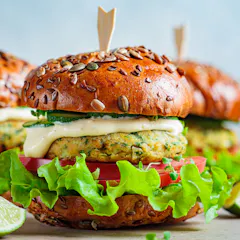
When we look at the study itself, it seems the media coverage has focused on a tiny aspect of the research, and is misleading.

What if you’re neither an introvert or extrovert – or you’re a bit of both? Another category might fit better: ambiverts. They’re the middle of the spectrum and are also called ‘social introverts’.
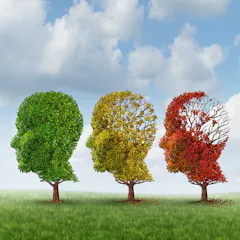
Alzheimer’s is the most common form of dementia. Here’s why knowing about the diversity of dementia matters.

Can the virus transfer from infected farm animals to contaminate milk, meat or eggs? It depends on where you are and how well you cook your food. But for most of us, the chances are low.

Is one term less pathologising than another? Here’s what our new research found.
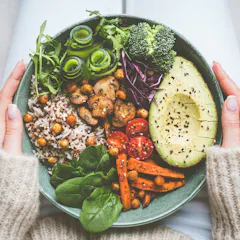
Eating a vegan or vegetarian diet is about more than just food.

Beyond Australia, childhood food allergies seem to be on the rise around the world. Here’s where the research is up to.
Hint: the most common type actually works.

Children can have big emotions and sometimes struggle to process them. Here’s what it means for a child to be ‘dysregulated’.

Both involve feeling uncomfortable in social situations. But one can be debilitating.

When should you start discussing sex with your child? It may be earlier than you think: It starts with consent.
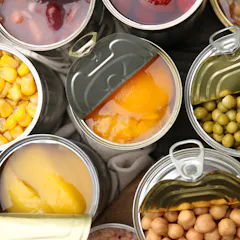
Plus, five other tips to get more fruit and vegetables in your diet on a budget.

A virtual ED is typically staffed by emergency doctors, nurses and support staff who can assess patients’ symptoms, provide medical advice, and direct care to the right place.

The mainstays of cancer treatment remain surgery, chemotherapy, radiation, immunotherapy, targeted therapy, and hormone therapy. But exercise, psychological support and diet can be powerful adjuncts.

Here are some cheaper, healthy alternatives to olive oil.
Top contributors
-

Professor of Community Health and Wellbeing, The University of Queensland
-
Lecturer in Exercise Science, Adelaide University
-
Accredited Practising Dietitian and Lecturer, Southern Cross University
-
Program Director of Nutrition and Food Sciences, Accredited Practising Dietitian, Adelaide University
-
Professor of Pharmaceutical Chemistry, Macquarie University
-
Clinical Trials Director, Department of Endocrinology, RPA Hospital, University of Sydney
-
Senior Lecturer, Nutrition, Swinburne University of Technology
-
Clinical Associate Professor, School of Medical Science & Sydney Infectious Diseases Institute; Principal Hospital Scientist, University of Sydney
-
Lecturer in Physiotherapy, Adelaide University
-
Associate Professor and Clinical Academic Gastroenterologist, Western Sydney University
-
Research Fellow in Public Health, The University of Queensland
-
Sleep Researcher, Appleton Institute, HealthWise Research Group, CQUniversity Australia
-
Evidence and Translation Lead, National Allergy Centre of Excellence; Chief Investigator, Centre of Food Allergy Research; Associate Professor and Group Leader, Childhood Allergy & Epidemiology Group, Child Health Research Centre, The University of Queensland
-
Postdoctoral Research Fellow, Child Health Research Centre, Faculty of Medicine, The University of Queensland
-
Laureate Professor in Nutrition and Dietetics, University of Newcastle