
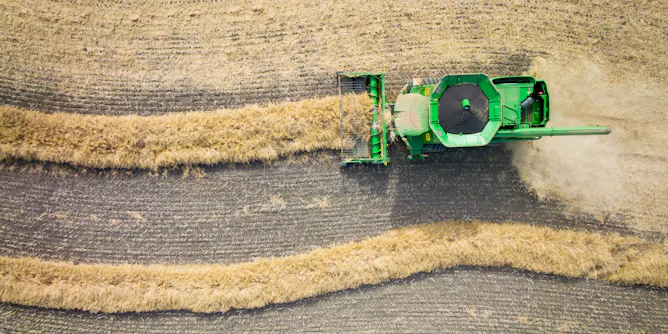
Without swift and effective action, composting may become an environmental crisis, rather than a solution.
Articles on Compostable plastics
Displaying all articles
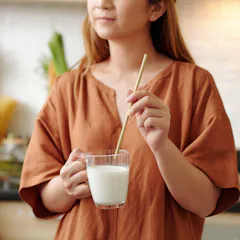
President Donald Trump has ordered his government to stop using paper straws. A better approach is to avoid using single-use products.
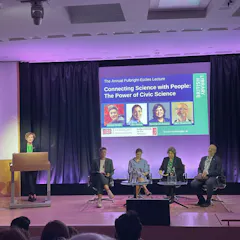
The format produced a stimulating discussion, highly revelant to the work we do here at The Conversation.

Canada is seen as leading the way in banning single-use plastics. But how comprehensive are these actions, and how realistic is the dream of a zero-waste future?

By 2025, Canada’s population could include five million people who live alone. Those who live alone tend to cook less, but the food industry has plans for them.
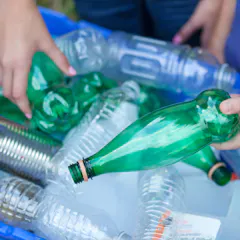
China, which once processed much of the world’s scrap, has slashed imports of “foreign garbage.” What can the US do to step up recycling at home?
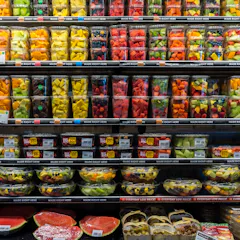
Much of the trash on Canadian shorelines can be traced to five food companies. We could soon see more compostable and edible packaging.

Bio-based plastics made from natural sources break down more easily than conventional plastic, without producing toxic byproducts. But for this to happen they have to be composted, not buried in landfills.
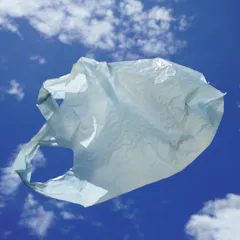
New types of biodegradable or compostable plastic products seem to offer an alternative to conventional plastics. But they may be no better for the environment.
Top contributors
-

Director, Agri-Food Analytics Lab, Professor in Food Distribution and Policy, Dalhousie University
-
Professor emeritus, Auckland University of Technology
-
Associate Professor in Hospitality, Food and Tourism Management, University of Guelph
-
Post-Graduate Researcher and Food Education Manager, University of Guelph
-
ARC DECRA Senior Research Fellow in Environmental Sociology, RMIT University
-
Research Fellow Sustainable Consumption and Policy, Centre for Urban Research, College of Design & Social Context, RMIT University
-
Associate Deputy Vice Chancellor in Research & Innovation, RMIT University
-
Professor of Environmental Science, Griffith University
-
Lecturer, Griffith University
-
Assistant Professor of Biochemistry and Molecular Biology, Michigan State University
-
Senior Research Assistant, Griffith University