
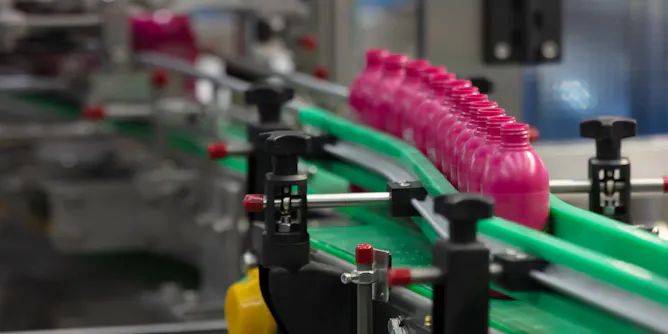
The solution is not to eliminate carbon from industry but to change where it comes from.
Articles on Bioplastics
Displaying 1 - 20 of 27 articles
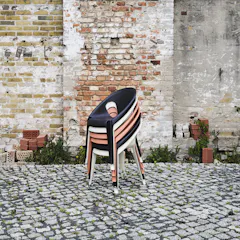
Studying the evolution of the plastic chair provides unique insights into society’s shifting attitudes to plastic.

Bioplastics can be made out of natural fibres such as bamboo, hemp, plants or algae.
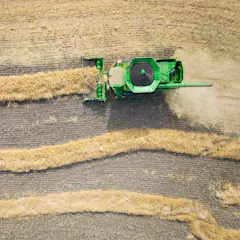
Without swift and effective action, composting may become an environmental crisis, rather than a solution.

The UK needs to fix its recycling system for a more sustainable future.

Confusion about what should and shouldn’t be recycled? You’re not alone – and it’s causing some people to ignore recycling altogether.
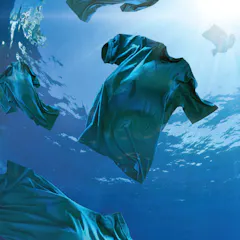
Polylactic acid – a popular bioplastic – does not readily break down when released into the ocean, and could disrupt marine ecosystems

Compostable food waste bin caddies are the main sustainable use for bioplastics at present. Almost all bioplastics are ending up in landfill.
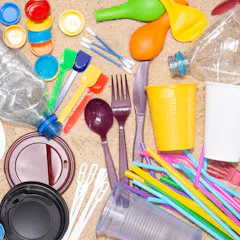
Alternative food containers, such as those made of bioplastics, are being promoted as a way to reduce our exposure to plastic in food. But there is still a lack of knowledge around their impacts.

The US Environmental Protection Agency is reexamining the health effects of bisphenol A. A chemist explains why BPA is in plastics and why it’s hard to find a safe replacement.

Plastic is made from oil and natural gas, which started out as fossilized plant and animal material. But buried deep underground for millions of years, those materials changed in important ways.

The COVID-019 pandemic has boosted use of disposable packaging and personal protective equipment, at the same time that many recycling programs are facing budget cuts. The upshot: More plastic trash.

We don’t notice the plant species we’re losing, but we won’t be able to ignore the effect of their loss on our supply of food and medicine.

Biodegradable bags still strong enough to carry shopping after three years in the ground show that ‘biodegradability’ isn’t all it’s cracked up to be.
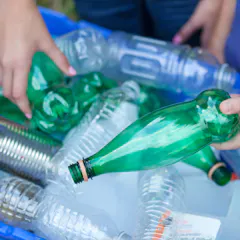
China, which once processed much of the world’s scrap, has slashed imports of “foreign garbage.” What can the US do to step up recycling at home?
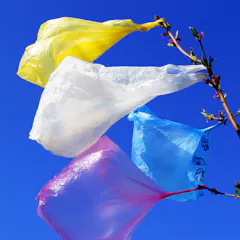
Researchers unpack the vast impact of plastic on our society – from emerging health worries and pollution to recycling and plastic’s contributions to modern convenience.

One big problem with plastics is that they’re largely made of petroleum. Sourcing bio-polymers from plants and bacteria has some big benefits – and the technology is starting to take off.

Bio-based plastics made from natural sources break down more easily than conventional plastic, without producing toxic byproducts. But for this to happen they have to be composted, not buried in landfills.
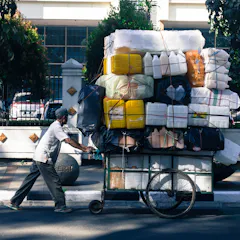
How do you help a country get over plastic? By creating awareness and minor inconveniences and by providing lots of reminders.

Indonesia is the world’s largest producer of the seaweed that offers a solution for the global plastic crisis.
Top contributors
-

Professor of Sustainable Development, Keele University
-
Assistant Professor of Biochemistry and Molecular Biology, Michigan State University
-
Director of the School of Packaging, Michigan State University
-
Research Chair, Indigenous Approaches to Environmental Management, Keele University
-
Postdoctoral Researcher in Bioenergy, National Renewable Energy Laboratory
-
Professor of Global Environmental Politics, University of California, Berkeley
-
Associate Professor of Packaging, Michigan State University
-
Associate professor, Heriot-Watt University
-
Associate Professor in Materials and Environmental Innovation, University of Portsmouth
-
Research Principal, Institute for Sustainable Futures, University of Technology Sydney
-
Professeur du MNHN, Muséum national d’histoire naturelle (MNHN)
-
Principal Research Fellow in Biogeochemistry and Environmental Pollution, University of Portsmouth
-
Ingénieure de Recherche, Université Paris Cité
-
PhD Researcher, Centre for Sustainable Chemical Technologies, University of Bath
-
Postdoctoral Researcher in Chemical and Biological Engineering, Colorado State University