
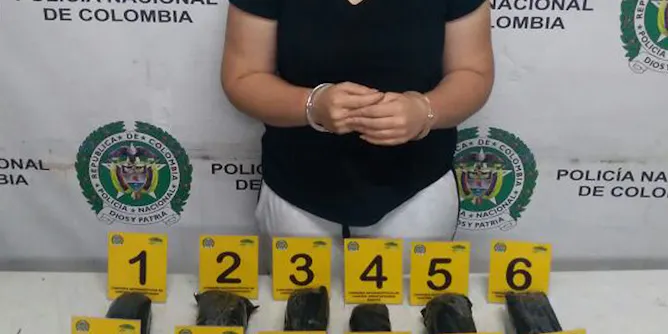
Twenty-two-year-old Australian woman Cassandra Sainsbury was arrested on April 11 at El Dorado airport in Bogota, Colombia. Sainsbury was due to return to Australia via London. Her suitcase contained 5.8kg…
Articles on Colombia
Displaying 141 - 160 of 177 articles
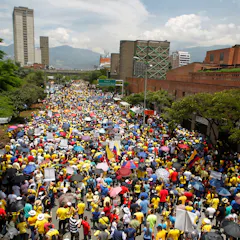
It is vital for people to demand transparency, but when popular outrage is manipulated for political purposes, democracy suffers.
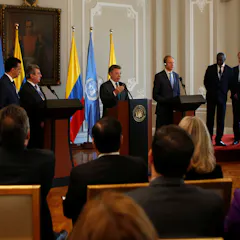
Colombia’s FARC guerrillas have officially laid down their weapons. How will these former fighters fare in the group’s transition from Marxist rebellion to political party?
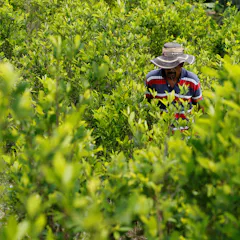
Colombia’s plan to turn coca-leaf farmers into coffee growers has a fatal flaw: the market.
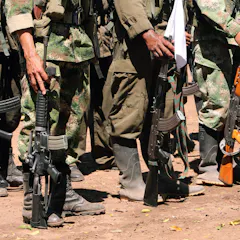
The world will be watching the country’s courts.
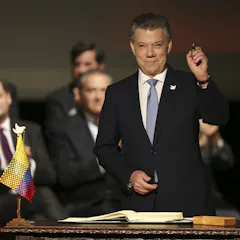
An academic who has worked with the Colombian government says the path to peace was opened by improving quality of life for vulnerable populations.
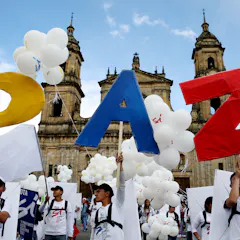
Colombia’s deal with the FARC means third parties implicated in international crimes could at last face justice.
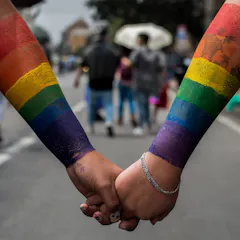
Conflict resolution across the world frequently leaves LGBT citizens behind.
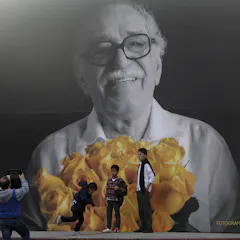
From the yellow butterflies of his ‘Hundred Years of Solitude’ to his Nobel acceptance speech, author Gabriel García Márquez remains ever present in his country’s peace process.
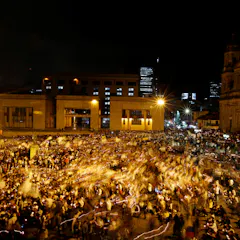
Of many ways to make fundamental decisions in a constitutional democracy, Colombia and Great Britain chose the riskiest of all options: the plebiscite.
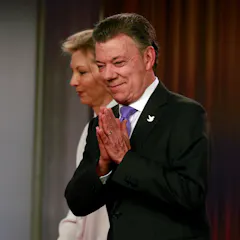
Scholars share their research with former combatants in Colombia, after a majority of Colombians voted against a peace deal. Can understanding reintegration help peace negotiations move forward?
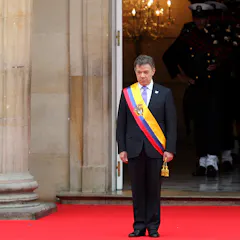
The voters may have said no to the deal struck with the FARC, but Juan Manuel Santos and his fellow negotiators intend to keep going.
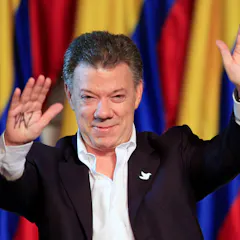
Why would anyone award a prize to a rejected peace deal?
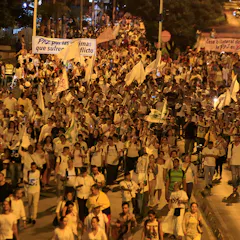
Nobel Prize aside, Colombia continues to choose war over peace and uncertainty over resolution. Is it something ingrained in the national psyche, or the product of a tangled-up political process?
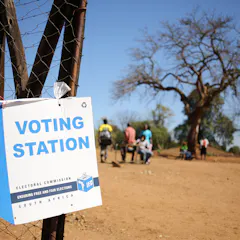
There are several different ways to approach democracy. Polls, elections and referenda all feature, but they’re not the only way to deepen democracy.
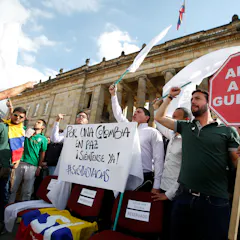
Few Colombians who have been displaced by violence voted on the peace deal from abroad. An expert in conflict resolution explains why their voices must be part of the peace process.
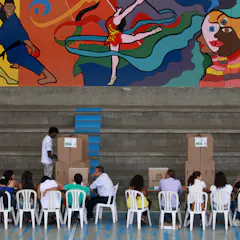
A look through the ballot papers shows the declared result in Colombia’s crucial vote is far from definitive.
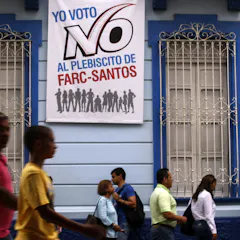
Given their chance to ratify a deal to end a 60-year war, less than 40% of Colombians voted – and they threw it out.
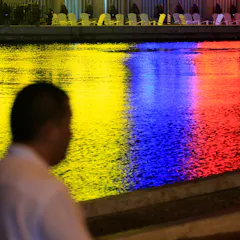
As Colombians head to the polls for the October 2 referendum to permanently end the country’s civil war, everything from grief and hope to partisan politics will factor into their decision.
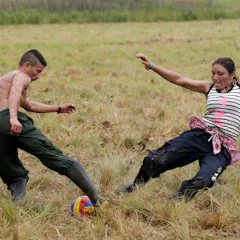
Women’s involvement in armed conflict in Peru and Colombia has a deep impact on societies. But peace processes and political aftermath rarely recognise their role.
Top contributors
-

Honorary Research Associate, Department of Political and International Studies, Rhodes University
-
Visiting Scholar, Weatherhead Center for International Affairs, Harvard University; Director of Studies at the Changing Character of War Centre, and Senior Research Fellow, Dept. of Politics and International Relations, University of Oxford
-
Research fellow at the International Development Department, University of Birmingham
-
Teaching Fellow in Law, University of Birmingham
-
Professor of Management and Co-director of the Centre for Latin American & Caribbean Studies, University of Essex
-
Research assistant professor, Universidad de los Andes
-
Reader, University of Huddersfield; Independent Social Research Foundation
-
Research and Communications Officer, University of Oxford
-
Associate professor, Universidad Externado de Colombia
-
Assistant Professor, Universidad Católica de Chile
-
Senior Lecturer in Spanish, Manchester Metropolitan University
-
Professor in Human Rights and International Law, University of Newcastle
-
Teaching Fellow in Defence, Development and Diplomacy, Durham University
-
Lecturer in Politics and International Relations, Monash University
-
Professor of Political Science, Georgia State University; Institute for Humane Studies