
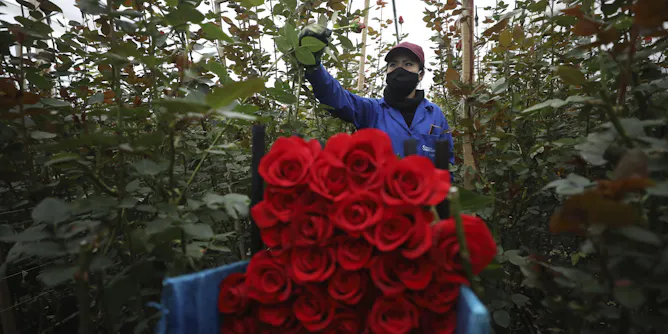
After a withered 2020 due to COVID-19, the flower industry is hoping to blossom. The industry, which remains far from sustainable, remains a multi-billion dollar operation.
Articles on Colombia
Displaying 81 - 100 of 177 articles

Hope and religion can be important coping resources for people during strict lockdowns - but also a source of struggle.
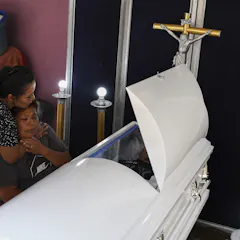
The American public should understand that the United States has played a critical role in creating and fuelling violence in Latin America via its unsuccessful war on drugs.
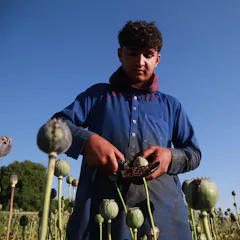
Conventional thinking on drugs, conflict and development isn’t working – here’s why.
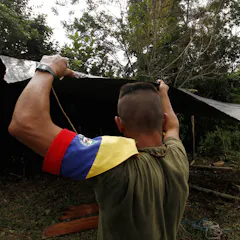
Interviews with former fighters show the pandemic is putting a fragile peace process under strain.
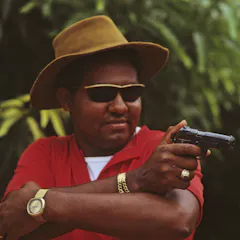
Step aside, Pablo Escobar. New research shows it was poor farmers who helped turn Colombia into the world’s largest drug producer when they started growing and exporting pot in the 1970s.
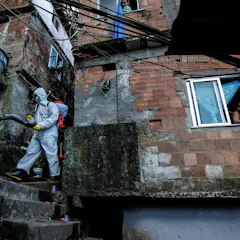
Coronavirus is serving Latin American organised crime well.
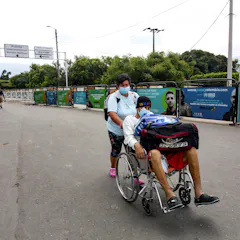
The coronavirus-related closure of the Colombian border hasn’t stopped desperate Venezuelans from entering – but it has made the trip more dangerous.

A program intended to reduce coca production ended up giving two Latin American countries a big boost to their flower power.
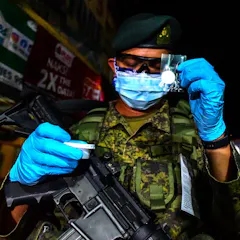
An external shock such as coronavirus merely presses pause on conflicts and offers little hope for solutions.

A nationally mandated quarantine isn’t keeping Colombia’s armed groups at home. Despite calls for a ceasefire, they are still killing activists, threatening humanitarian workers and seizing aid.

Small business grants are supposed to help Colombia’s disarmed FARC fighters start new lives as entrepreneurs. But interviews with 12 female ex-insurgents suggests the government plan may fail women.
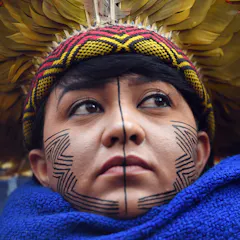
While celebrating the millions on streets in London and Vancouver, we must not forget the sacrifices of people in the Global South.

Citing national security, Ecuador, Peru and Chile have all made it harder for Venezuelan migrants to enter the country, and xenophobia is rising across the region – even in more welcoming Colombia.
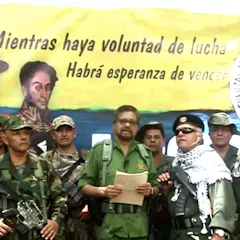
Dissidents in Colombia’s FARC guerrillas are threatening to renew armed struggle three years after signing a landmark peace deal. Here, experts explain the history of Colombia’s fragile peace process.
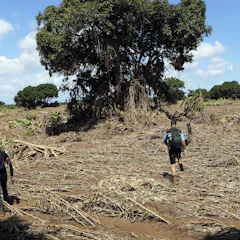
Meet the unsung aid workers who put their lives on the line during war and natural disaster to make sure the dead are treated with respect – and that their grieving families get closure.
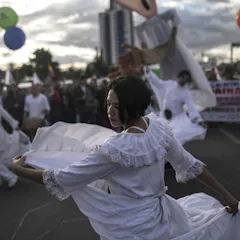
In Colombia, a 2016 peace agreement does not contain the ongoing violence. Violence escalates as criminal armed groups replace the FARC rebels in a violent battle for land and resources.
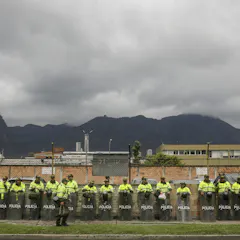
Colombia’s new president opposes the 2016 peace deal with the FARC guerrillas. As trust between the government and militants erodes, at least 1,700 former insurgents have returned to armed struggle.
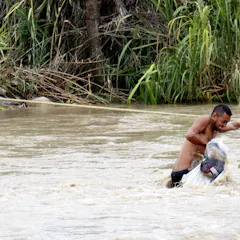
Cross border security is at serious risk. So are the lives of the people who live there.

The coal, oil and natural gas industries are also connected with human rights violations, public health disasters and environmental devastation.
Top contributors
-

Honorary Research Associate, Department of Political and International Studies, Rhodes University
-
Visiting Scholar, Weatherhead Center for International Affairs, Harvard University; Director of Studies at the Changing Character of War Centre, and Senior Research Fellow, Dept. of Politics and International Relations, University of Oxford
-
Research fellow at the International Development Department, University of Birmingham
-
Teaching Fellow in Law, University of Birmingham
-
Professor of Management and Co-director of the Centre for Latin American & Caribbean Studies, University of Essex
-
Research assistant professor, Universidad de los Andes
-
Reader, University of Huddersfield; Independent Social Research Foundation
-
Research and Communications Officer, University of Oxford
-
Associate professor, Universidad Externado de Colombia
-
Assistant Professor, Universidad Católica de Chile
-
Senior Lecturer in Spanish, Manchester Metropolitan University
-
Professor in Human Rights and International Law, University of Newcastle
-
Teaching Fellow in Defence, Development and Diplomacy, Durham University
-
Lecturer in Politics and International Relations, Monash University
-
Professor of Political Science, Georgia State University; Institute for Humane Studies