

Understanding the technological shift from a literary to a post-literary society is crucial for rethinking AI’s place in learning environments.
Articles on Cognitive health
Displaying 1 - 20 of 36 articles

Novel treatments include mental exercises to boost cognitive function, as well as strategies that help people with schizophrenia understand the emotions of others.

Kidney disease is often associated with dialysis or transplants, but it also affects memory and concentration, and increases stroke risk.

As schools focus more on evidence-based reading instruction, less time is available for children to practice reading for pleasure.

New study of older adults in Sweden suggests healthier diets may still be linked to lower dementia risk even after early biological changes are detected.

Researchers need more than memory tests to assess whether supplements affect the brain.

Music has value in dementia care, but re-envisioning its role beyond treatment involves engaging individuals in music experiences that foster self-expression, identity and meaningful interactions.

Recent headlines have raised concerns about allergy tablets. The evidence is more nuanced than it first appears.

Bilingualism may interact with verbal memory and sex steroids to influence dementia risk in unexpected ways.

The gain isn’t huge, but it’s a notable improvement – similar to what people experience when they start exercising more.

Nicotine is being rebranded as a wellness tool – but does the science back the hype, or are we just dressing up an old addiction?

Forgetting why you walked into a room isn’t a sign of cognitive decline. It’s your brain doing exactly what it evolved to do.

Creatine may benefit women’s muscle, bone and cognitive health.
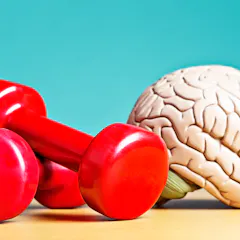
Challenging the brain by exposing it to new situations, tasks and skills can improve its efficiency, much like strength training does for our muscles. But maximum efficiency requires optimal rest.

Two decades after the Women’s Health Initiative study, evolving research on menopause hormone therapy is shedding new light on women’s brain health.

Taking up a hobby like art, dance or music classes could have significant hidden benefits.

Perhaps it’s time we stopped treating midlife as a countdown and started recognising it as a peak.

Recent studies show that it’s possible to maintain good cognitive health as we age with certain leisure activities and pursuits that stimulate the brain.

The SHIELD (Sleep, Head Injury prevention, Exercise, Learning, and Diet) mnemonic offers a clear and effective strategy for lowering dementia risk.

Physical education has many cognitive benefits for kids – including for their working memory, problem solving and maths performance.
Top contributors
-

Professor of Chemistry and Senior Scientist of the Krembil Research Institute, University Health Network, University of Toronto
-
Professor, Cumming School of Medicine, University of Calgary
-
Medical Science Master's Student, University of Calgary
-
Research Data Scientist at Hotchkiss Brain Institute, University of Calgary
-
Professor of Clinical and Health Psychology, University of Florida
-
Clinical Epidemiologist, Washington University in St. Louis
-
Associate Professor of Nursing & Public Health, Gonzaga University
-
Associate Professor, Grady College of Journalism and Mass Communication, University of Georgia
-
Associate Professor and Schlegel-UW Research Chair in Dementia and Active Living, Department of Kinesiology and Health Sciences, University of Waterloo
-
Professor, Faculty of Health Sciences, L’Université d’Ottawa/University of Ottawa
-
Affiliate Professor, Department of Family Medicine, McGill University
-
Associate professor, École normale supérieure de Rennes
-
PhD Candidate in Clinical and Health Psychology, University of Florida
-
Associate Professor of Neurology, University of Pittsburgh
-
Professor of Literacy, Language and Culture, University of Maine