
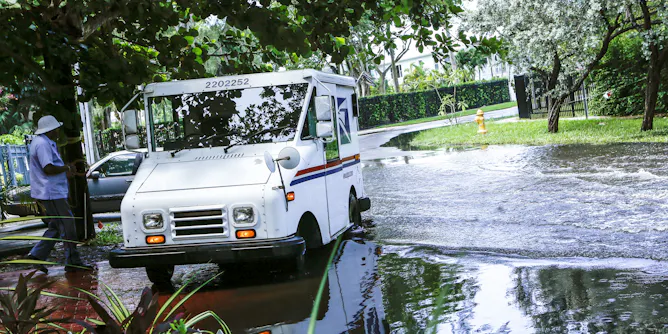
Many coastal US cities are contending with increasingly frequent and severe tidal flooding as sea levels rise. Some are considering building seawalls, but this strategy is not simple or cheap.
Articles on Coastal flooding
Displaying 21 - 40 of 71 articles
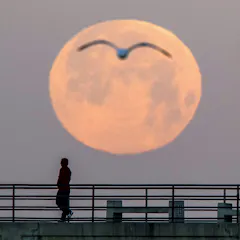
Sea level is still rising, and when that lunar cycle starts upward again, it will mean double trouble for places like Miami.
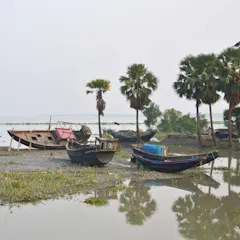
Rising sea levels are as likely to trap people as they are to force them to move.
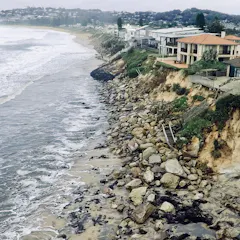
In Australia, coastal flooding is expected to be worse along the northern coast in Queensland, Western Australia and the Northern Territory.
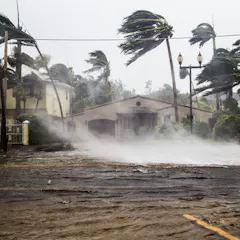
Can maps of people’s flooded properties convince them that rising sea level is a threat?
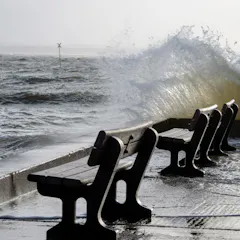
For every ten centimetres of sea level rise, the chances of a 100-year coastal flood increase three-fold. This means we’ll have to build flood defenses or retreat from the coast.

Hundreds of millions more people will now be at risk from rising seas in the coming decades - with Asia and island nations most vulnerable. How we react to the climate crisis is now even more crucial.
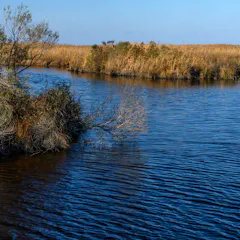
As climate change speeds up tropical storm cycles, rivers and bays have less time to process nutrients and pollutants that wash into them after each event.
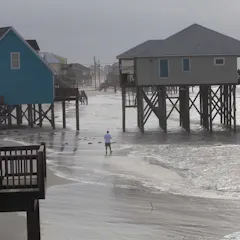
‘Building back better’ refers to making communities more disaster-proof and resilient after they take a hit. But instead, some US owners are building back bigger homes in vulnerable places.
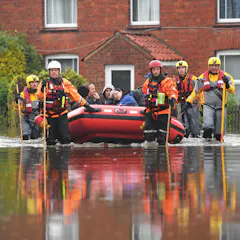
Planning for the growing risks of flooding that threatens the UK’s cities, towns and villages is underway, but progress is too slow.
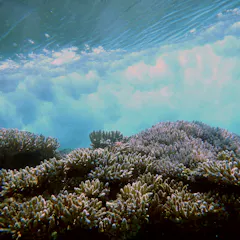
A new report shows that coral reefs reduce damage from floods across the United States and its trust territories by more than $1.8 billion every year – and pinpoints that value state by state.
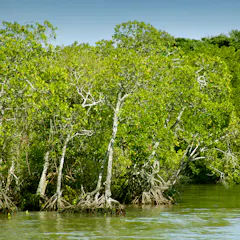
One surprising potential benefit of sea-level rise is it helps coastal wetlands store more carbon.
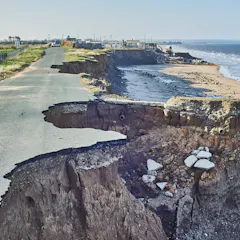
Rising sea levels won’t be solved by trying to fix the coast in place. For a defence from coastal flooding, we need to step back.
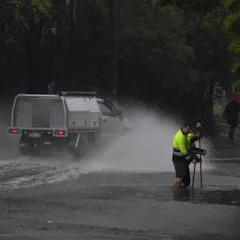
Australia’s coastal settlements are highly exposed to the impacts of climate change. Climate-resilient urban landscapes that can cope with large amounts of water need to become the new normal.
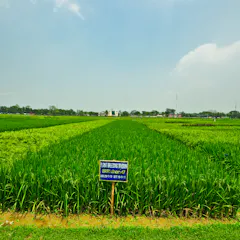
Rising seas and groundwater depletion, both driven by climate change, are making soils saltier in many parts of the world. Farmers will need help adapting, especially in developing countries.
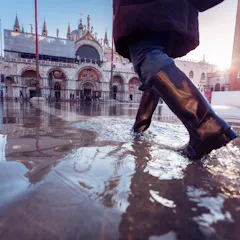
Venice is set to be regularly 70% underwater and proposed tidal floodgates won’t deal with the fundamental problems.
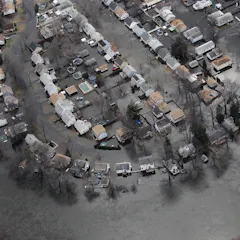
Coastal real estate prices appear to be taking a hit, but mostly in neighborhoods with more climate change believers.
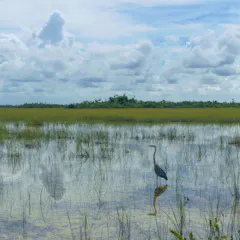
Coastal development is destroying marshes, mangroves and other wetlands that provide valuable protection from hurricanes and storms. Research shows these benefits can be worth millions of dollars.
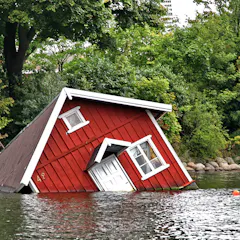
Relocation from risky areas is the only safe response.
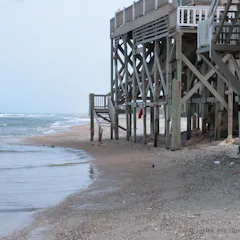
Many US coastal towns are building defenses to protect against rising seas and storms. This can encourage people to stay in place when they should be moving inland.
Top contributors
-

AXA Chair in Coastal Resilience & Research Professor, University of California, Santa Cruz
-
Lead - Pilot Deployments Program (AIMS); Professor (Queensland University of Technology; Adjunct), Queensland University of Technology
-
Associate Professor, Bournemouth University
-
Professor of Applied Economics, Lincoln University, New Zealand
-
Associate Professor of Political Science, Georgia State University
-
Professor in School of Earth, Atmospheric and Life Sciences; and Director of Environmental Futures Research Centre, University of Wollongong
-
Assistant Professor, East Carolina University
-
Professor of Urban Studies and Public Health, Georgia State University
-
Managing Director, Triple Helix Consulting; Honorary Professor, ANU Fenner School for the Environment and Society, Australian National University
-
Professor of Finance, University of British Columbia
-
Research Scientist, Australian Bureau of Meteorology
-
Professor of Sociology and Director, Disaster Research Center, University of Delaware
-
Service Leader - Coastal, University of Waikato
-
Associate Professor of Civil and Environmental Engineering, University of Maine
-
Reader in Information Systems and Emergency Management, Loughborough University