
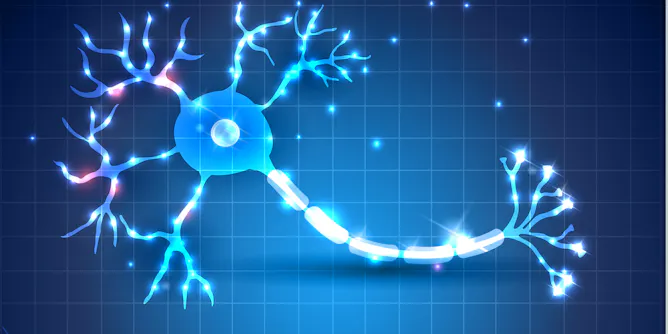
All multiple sclerosis sufferers have stem cells with the potential to heal them, but scientists are only just figuring out how to kick them into action.
Articles on Clinical trials
Displaying 141 - 160 of 224 articles
Health Canada is proposing to allow some prescription drugs into the country with only ‘cursory clinical review.’ Here’s why we should be worried.

Coordinated international efforts may be key to improving the life expectancy and health of many snakebite victims.
There are several things we can do to speed up the development of new drugs, without putting patients at risk.
How a technology born from finance – the blockchain – can help the pharmaceutical industry to carry out clinical trials that protect patients.
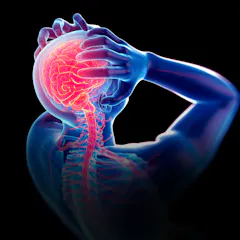
For some patients, drilling a hole in the skull and inserting an electrode into the ‘sadness centre’ of the brain offers relief from debilitating and otherwise treatment-resistant depression.
We need to ensure cancer research addresses what matters most.

A family physician and public health researcher explains why he isn’t getting a prostate cancer test in Movember or at any time in the near future.
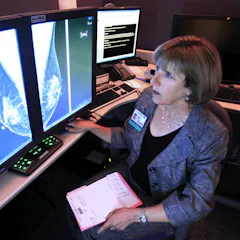
The majority of research suggests the benefits of mammography screening greatly outweigh the harms for women over age 40.
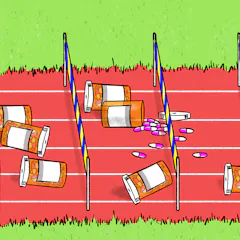
Only around 10% of new drugs in development make it onto the market. A drug needs to go through animal trials, and then four phases of human trials to be deemed suitable for use in patients.
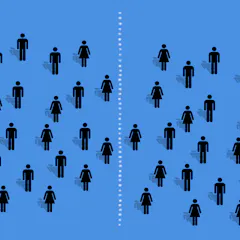
A randomised controlled trial is the best way to compare a new treatment with the standard treatment. And randomising trial participants is a core feature of the experiment.

Rare cancers are hard to research given the few patients that have each type of cancer, so how can we improve treatment for these patients?
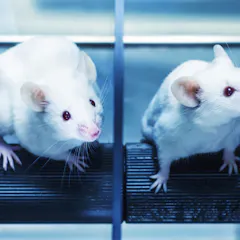
Virtually every medical therapy in use today owes its existence to animal experiments. But we can’t assume what works in animals will in humans. And sometimes, the mismatch can be dangerous.
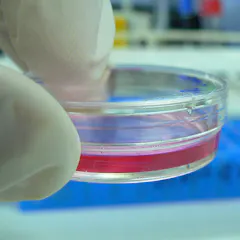
Systematic reviews are rarely applied to basic research. A new study shows how they could separate good data from bad, saving millions in research dollars and speeding life-saving treatments.
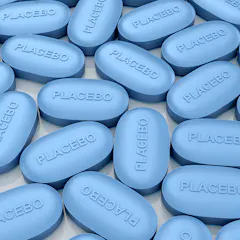
In many trials, patients have been told they’re getting the sugar pill. They still got better.
Rare diseases may only affect a handful of people but their treatment benefits everyone.
In many cases, the most appropriate treatment for a health condition isn’t a drug. It could be a recommendation for a dietary change, a specific exercise, or even a phone app.
Claims that stem cell treatments can repair spinal injuries right now are overblown. But it’s not for lack of trying, and the science is certainly progressing.
Better technology to diagnose, treat and manage the disease early enough is needed to improve the survival rates of childhood cancer in sub Saharan Africa.

Lowering the threshold for FDA approval and feeding the agency less rigorous information will increase the likelihood of approvals of unsafe or ineffective drugs and devices.
Top contributors
-

Professor and Director of the Stoneygate Centre for Excellence in Empathic Healthcare, University of Leicester
-
Professor of Pharmaceutical Chemistry, Macquarie University
-
Associate professor, Department of Family and Community Medicine, University of Toronto; York University, Canada; University of Sydney
-
Epidemiologist, Cochrane
-
Head of School and Dean of Pharmacy, University of Sydney
-
Professor of medicine, epidemiology & biostatistics, and philosophy, Western University
-
Professor of Immunology, RMIT University
-
Professor of Biostatistics and Epidemiology, Adelaide University
-
Distinguished Professor of Pharmacy Practice, University of Connecticut
-
Senior Lecturer Biostatistics and Data Management, The University of Queensland
-
Membre du comité d'éthique de l'Inserm, Inserm
-
Biostatistician, The University of Melbourne
-
Professor of Bioethics & Medicine, Sydney Health Ethics, Haematologist/BMT Physician, Royal North Shore Hospital and Director, Praxis Australia, University of Sydney
-
Professor of Law, Villanova University
-
Professor, UNSW