
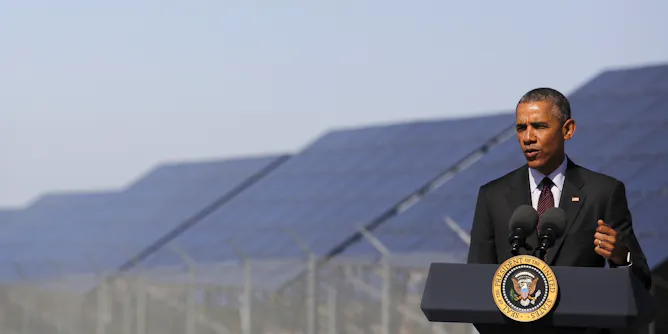
The unambitious Clean Power Plan is too little, very late.
Articles on Climate policy
Displaying 341 - 360 of 396 articles
After all the jubilation about the president’s plan, it’s time for a reality check.
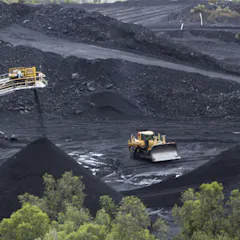
Australian Prime Minister Tony Abbott has said his government’s 2030 climate target will be good for the environment and jobs – and good for protecting the nation’s coal industry.
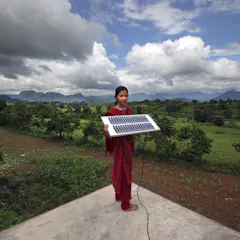
Given existing technologies, expanding access to electricity almost always increases CO2 emissions. There are real trade-offs between addressing poverty and climate change.
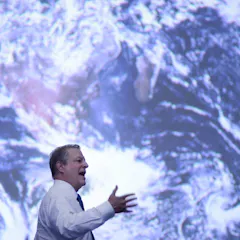
The reality of climate policy is it’s often provincial governments or city councils who are the most ambitious, especially where national governments leave a policy void.
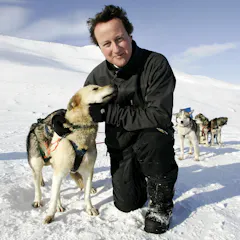
Summer budget signals a return to the unsustainable ways of the past.
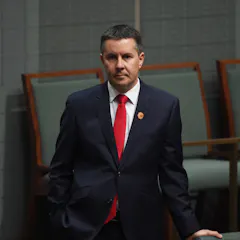
Mark Butler
Michelle Grattan talks to Labor environment spokesman Mark Butler about climate change, an ETS, the possibility of an early election, the ALP national conference and much more.
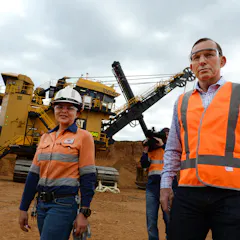
International and domestic forces appear to be conspiring to significantly ratchet up the pressure on Prime Minster Tony Abbott’s climate policy.
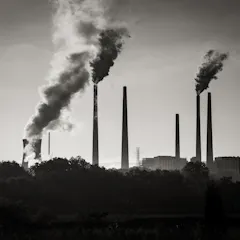
Despite looming legal challenges, states are devising plans to comply with limits on power plant carbon emissions – a crucial part of Obama’s climate policies.

Despite G7 climate pledge, the country isn’t embracing renewables.

The G7 is just the first in a series of international gatherings that will define climate policy for years to come.

Cutting soot emissions may be fashionable but it won’t stabilise global temperatures

Unless Africa can manage the effects of climate change, the agricultural future for many Africans looks bleak.
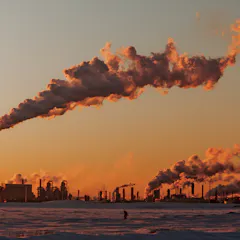
This month Canada revealed its post-2020 climate target as 30% below 2005 levels by 2030. But current policies make it unlikely Canada will achieve the target within the country.

We need political intervention if southern African countries are to mitigate the effects of climate change.
While the recent emissions reduction auction in Australia was a success, much more needs to be done to build an effective climate policy.

Bjorn Lomborg’s “consensus” approach involves ranking global development policies by their ratio of benefit to cost. But this hard-headed economic rationale can actually end up entrenching inequality.
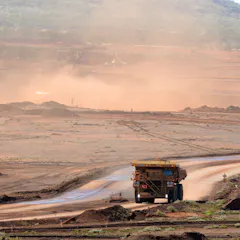
Amid talk of paths to surplus and investing in infrastructure, both sides of politics seem to have forgotten Australia’s longstanding responsibility to govern sustainably, and not just for the economy.
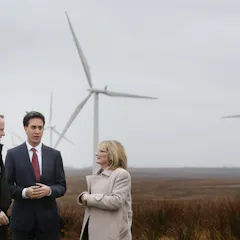
Labour’s green jobs numbers add up, but the picture’s less clear on fracking.
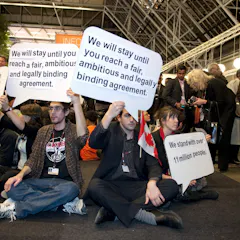
Hopes are high that a global climate deal can be reached in Paris this year. In part 1 of a three-part essay on the prospects for such a deal, Nick Rowley sets out three myths about the UN talks that need to be dumped before we go forward.
Top contributors
-

Professorial Fellow, University of Canberra
-
Former Visiting Fellow, SPRU, University of Sussex Business School, University of Sussex
-
Professor, Crawford School of Public Policy and Director, Centre for Climate and Energy Policy, Australian National University
-
Senior Fellow in Energy and Climate Change, Grattan Institute
-
Professor of International Relations, The University of Queensland
-
Research Associate, Institute for Climate Risk and Response, UNSW
-
Associate Professor, The University of Western Australia
-
Adjunct professor, Environment and Sustainability, University of Saskatchewan
-
Honorary Fellow, The University of Melbourne
-
Professor in Organisation & Sustainability, University of Exeter
-
Professor of Political Science, School of Regulation and Global Governance, Australian National University
-
Senior Research Fellow and Associate Professor, Melbourne Climate Futures initiative, The University of Melbourne
-
Professor of Economics, The University of Queensland
-
Senior Industry Fellow, Environment and Planning, RMIT University
-
Head of Atmospheric, Oceanic and Planetary Physics, University of Oxford