
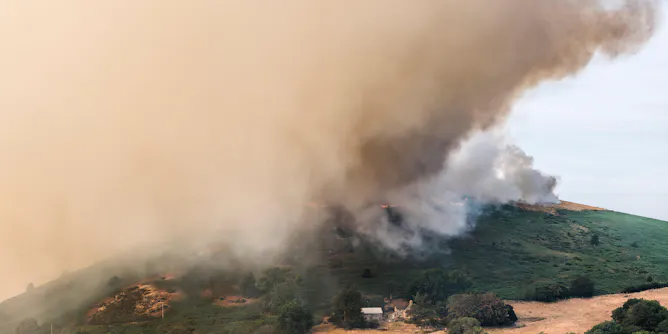
This summer will be one of the coolest in your lifetime. With better planning for these now normal extreme summers, some heat-related deaths can be prevented.
Articles on Climate emergency
Displaying 1 - 20 of 48 articles
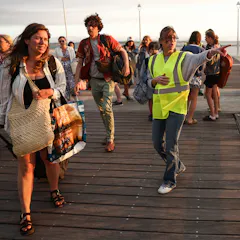
The Gironde wildfires reveal how logistics are key in firefighting. Emergency operations in the French region are twofold: providing relief and evacuating large populations.
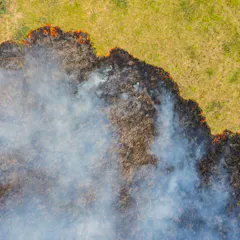
Studying the scale and intensity of previous fires can help us to detect thermal hotspots earlier and support faster, smarter crisis response and post-fire restoration.

The North Queensland floods remind us of the need to build community resilience to disasters – during the event, in the immediate aftermath and beyond.

Electric arc furnaces can use up to 100% scrap steel as its raw material, resulting in a significant reduction in emissions.
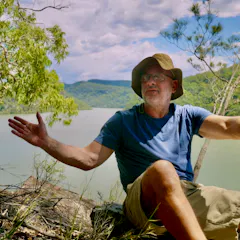
What makes a great climate leader and why are we not seeing more of them? I’ve been searching for good examples of climate leaders. This is the subject of our new documentary, Climate Changers.
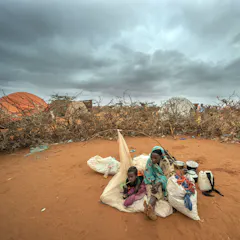
The United Nations Committee on the Rights of the Child has released a statement on the responsibilities of governments to reduce harm from climate change. Here’s what’s in it for Australia.
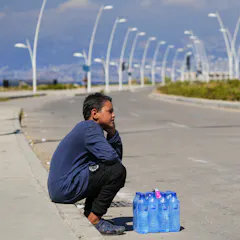
Climate anxiety is real and must be considered as a core component of any climate mitigation or adaptation and resilience strategy.

‘Eco-champion’ teachers face barriers in implementing climate change education. Communities and school boards can find inspiration to support them from boards with bolder climate commitments.

A national survey shows that, while Australians see the traditional council services as very important, most support local government involvement in a much broader range of issues and activities.
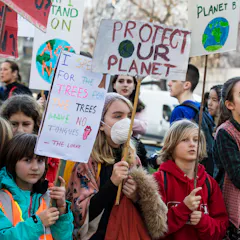
Given how much young people have achieved in the fight against climate crisis it’s crucial their voices are really heard at COP27.

Jessie Cole’s memoir traces a love affair: a long-distance relationship with an unnamed, older lover. It’s set against layers of thinking about love, desire, bodies and ecological disaster.

People who live with dementia and those who care for them are at increased risk of social isolation and loneliness. That can make floods and other emergencies especially distressing and dangerous.
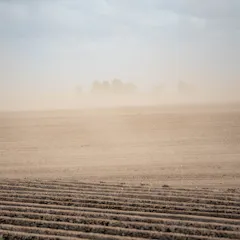
The water shortage on the old continent, the most intense in recent centuries, is due to the expansion of the Azores anticyclone. Its effects are becoming increasingly apparent.

Words matter. It’s vital terms like ‘crisis’ and ‘calamity’ don’t become rhetorical devices devoid of real content as we argue about what climate action to take.
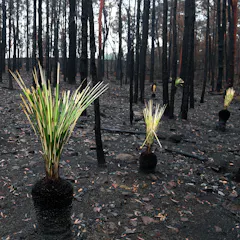
Universities must be considered as not only in crisis but also as drivers of crisis in a world of climate change, biodiversity loss, authoritarianism and deep social and economic inequalities.

Carbon capture technologies have been labelled as a distraction. But as we enter the all-hands-on-deck phase of tackling climate change, they must not be ignored.
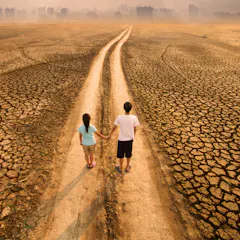
Storytelling can be a powerful tool to communicate complicated crises like climate change. Telling relatable and local stories can help motivate people to action.
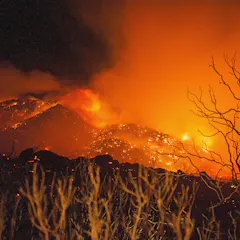
We need specific action now to make net zero emissions by 2050 possible.
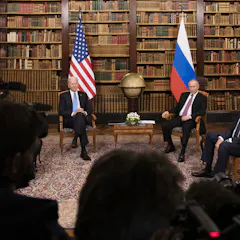
The two leaders ignored the most pressing global issue to concentrate on the status quo issues of security and arms control.
Top contributors
-

Senior Lecturer in Social Sciences and Public Policy, Auckland University of Technology
-
Professor of Earth System Science, UCL
-
Lecturer in Politics and International Relations, University of Edinburgh
-
Associate professor, James Cook University
-
Senior Lecturer in Sociology, Australian Catholic University
-
Professor of Economics and Behavioural Science, University of Stirling
-
Profesor de Investigación en el Departamento de Biogeografía y Cambio Global, Museo Nacional de Ciencias Naturales (MNCN-CSIC)
-
Assistant Professor Lewis & Clark Law School (Fall 2019), Lewis & Clark
-
Pro Vice-Chancellor of Research, University of Technology Sydney
-
Director, Energy and Bioproducts Research Institute, and Director, Supergen Bioenergy Hub, Aston University
-
Senior Lecturer in Security Studies, University of Glasgow
-
Professor of Organisms and Environment, Cardiff University
-
Professorial Fellow, ARC Centre of Excellence for Coral Reef Studies, James Cook University
-
Associate Professor of Public Policy, Australian National University
-
Senior Research Fellow, The University Centre for Rural Health, University of Sydney